
Shortages and safety: WHO/Europe proposes eight steps to help fix Europe’s nursing crisis
Unsafe nurse staffing levels are endangering patients and driving burnout, WHO/Europe proposes eight corrective actions to stabilise and strengthen Europe’s nursing workforce
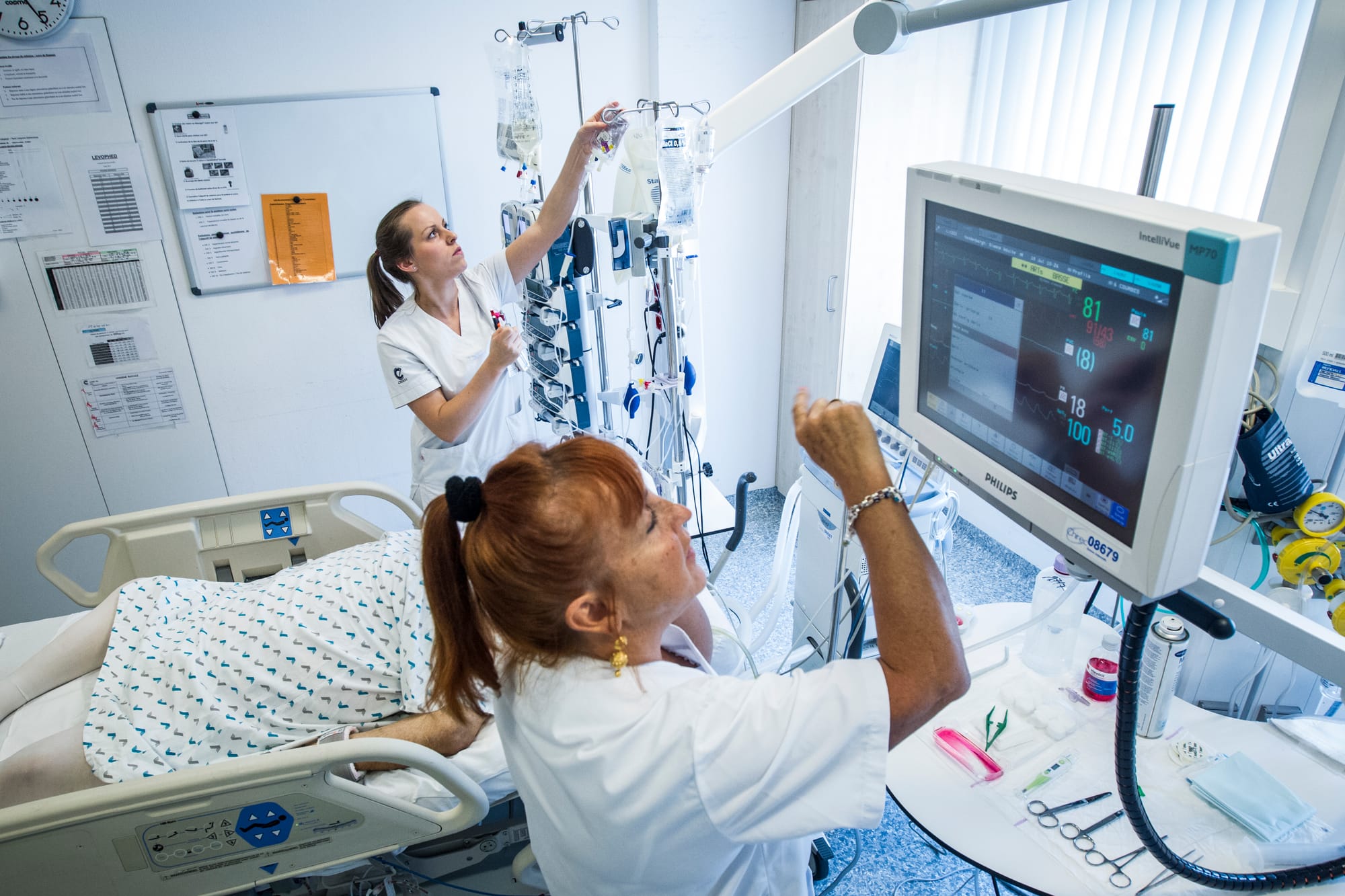
Unsafe nurse staffing is putting patients at risk and accelerating burnout across the WHO European Region, according to a new policy brief from World Health Organisation Regional Office for Europe (WHO/Europe).
Evidence consistently shows that when staffing levels fall below safe thresholds, patient harm increases and nurses face higher levels of stress, injury and mental ill-health. Safe nurse staffing means ensuring the right number and mix of appropriately educated and supported nurses are in place to deliver safe care in a specific workplace or environment.
In 2022, WHO/Europe warned that health workforce shortages were a “ticking time bomb,” projecting a shortfall of nearly one million health workers by 2030. Across several European Union Member States, worsening working conditions and rising mental health pressures are accelerating nurse attrition, with direct consequences for patient safety.
WHO Regional Director for Europe, Dr Hans Kluge, stressed that nurses make up more than half (56%) of the health workforce, most of whom are women. Safe nurse staffing, he said, is not an administrative detail but a safety-critical investment in patients and health systems. With the EU already facing a serious nursing shortage, he warned that driving more nurses out of the profession is not an option.
Director-General for Health at the European Commission, Sandra Gallina, echoed the urgency. “Nurses,” she said, “are the backbone of health systems yet are among those most affected by workforce shortages, heavy workloads and mental health strain.”
Gallina pointed to EU4Health initiatives, including the Nursing Action project and Joint Action HEROES, alongside Erasmus+, the Recovery and Resilience Facility and Cohesion Policy Funds, as key mechanisms to support the workforce.
The European Specialist Nurses Organisation (ESNO) has welcomed the report adding that it poen the door to a broader policy reflection on enabling nurse autonomy and the enabling nurse to develop through education and mentoring to develop the role of specialist and advanced practice nursing roles.
Eight priority actions
The WHO/Europe brief outlines eight interconnected actions to make safe nurse staffing a reality across the Region:
Recognize nursing as safety-critical: Safe staffing is inseparable from staff well-being and patient safety. Protecting nurses from burnout protects patients.
Manage system complexity: Staffing is influenced by funding, digital systems, teamwork, evolving care models and increasingly complex patient needs. There is no quick fix.
Secure broad support for sustainability: Structured engagement with nurses, employers, regulators and unions is essential for lasting reform.
Build purpose-driven data systems: Reliable, interoperable staffing and workload data should inform decision-making while avoiding unnecessary administrative burdens.
Monitor for accountability: Clear standards, proportionate regulation, audits and transparent reporting are needed to uphold safe staffing benchmarks.
Secure sustained investment: Financing mechanisms and incentives must embed safe staffing as standard practice, rather than leaving it to individual facilities.
Strengthen education and training: High-quality education and continuous professional development prepare nurses for complex clinical environments and staffing decisions.
Strengthen nurse leadership: Empowered nurse leaders, supported in their professional autonomy and judgement, are vital to translating evidence into safe staffing decisions at the bedside.
However, with demand growing as Europe’s population ages, interest in nursing careers is declining. There are no easy solutions.