
‘Safe Hearts Plan’ sets out an EU response, but critics see gaps
Critics warn that the EU’s cardiovascular disease plan lacks the strong preventive measures needed to match the scale of the problem
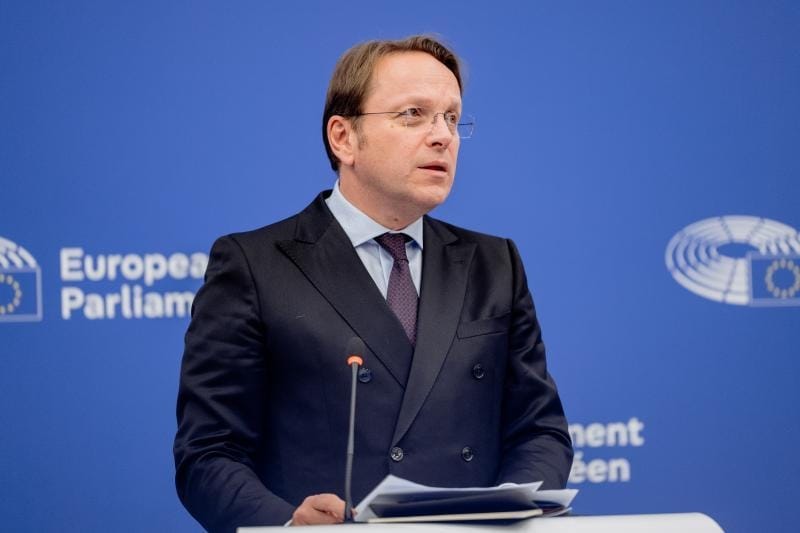
The ‘Safe Hearts Plan’ is the EU’s first comprehensive cardiovascular strategy to tackle Europe’s leading cause of death.
Health Commissioner Olivér Várhelyi called the initiative long overdue: “Cardiovascular health is the most important public health challenge we face,” he said. “We are losing 1.7 million lives every year, maybe unnecessarily. We could save up to 80% of these lives, and we have to act now.”
The plan focuses on prevention, early detection and treatment, addressing key risk factors such as tobacco use, unhealthy diets, alcohol consumption and ultra-processed food. It also leverages digital tools, big data and artificial intelligence to personalise prevention and care, while tackling growing inequalities in access to treatment across member states.
Health checks
The European Society of Cardiology (ESC) has warmly welcomed the plan, describing it as a landmark achievement after years of advocacy. ESC President Thomas Lüscher said the strategy could “dramatically reduce premature cardiovascular deaths”.
They have highlighted the EU-wide commitment to cardiovascular health checks, to ensure early detection and timely prevention of cardiovascular disease, a cardiovascular disease research and innovation roadmap to close knowledge gaps, and a target for all member states to have national cardiovascular health plans in place by 2027.
Health determinants
Public health actors, including the European Public Health Alliance (EPHA), expressed disappointment that taxation on ultra-processed foods seen in earlier drafts of the plan were not included in the final version. There is still a reference to “possible financial actions”.
EPHA says that the level of commitment on ultra-processed foods (UPFs) remains misaligned with the magnitude of the challenge, and with the established evidence:
“EPHA has long advocated for fiscal measures on UPFs and products high in fat, sugar and salt (HFSS Products) as a key form of primordial prevention.”
They are critical of the absence of concrete action on alcohol, which they attribute to the industry’s influence. Throughout the document, the Commission refers to “the harmful use of alcohol”, which anti-alcohol NGOs say fails to acknowledge that there is a clear harm and that there is an undeniable link to cardiovascular disease.
The existing commitment to the revision of the tobacco control legislation is presented as a ‘Flagship Initiative’.
Vaccination: Respiratory infections and CVD
The Commission will propose a Council Recommendation to promote immunization as a preventive measure against cardiovascular diseases, with a focus on high-risk and vulnerable groups.
The Recommendation will encourage all member states to report vaccination coverage data by 2029 for vaccines against influenza, COVID-19, respiratory syncytial virus, pneumococcal disease, and viral infections such as herpes zoster.
The Executive Director of Vaccines Europe, Sibilia Quilici, welcomed the recognition of the link between cardiovascular disease and respiratory infections:
“By including immunization from the outset, we can protect people’s health, support resilient health systems, and strengthen Europe’s preparedness and health security.”
While the plans is seen as a step forward, public health advocates were hoping for a more hard-hitting proposal, especially given the increasing levels of childhood obesity. Without reaching the younger generation, the problem and its associated costs on health and the economy are likely to continue.