
Rising EU sales of animal antimicrobials raise concern
The latest annual surveillance report from the European Medicines Agency (EMA) shows a worrying increase in antimicrobial sales for animal use across the European Union
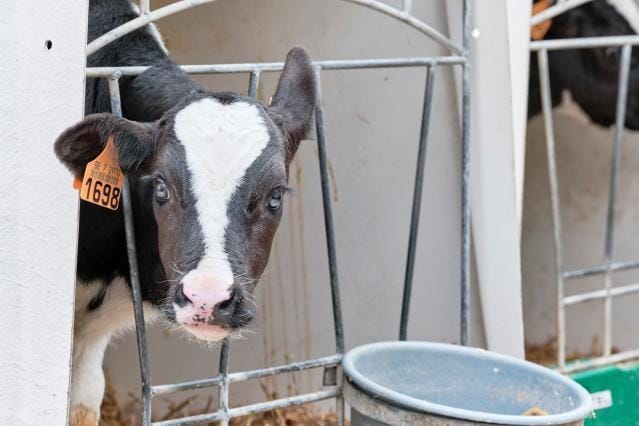
According to the European sales and use of antimicrobials for veterinary medicine report (ESUAvet), 98% of all antimicrobial sales in 2024 were destined for food-producing animals - a 5% rise compared with 2023. This uptick may mark a slowdown, or even a reversal, of the sustained decline recorded between 2010 and 2022.
The authors caution that additional data will be needed to determine whether this shift represents the beginning of a long-term trend or a temporary fluctuation caused by factors such as stockpiling, disease outbreaks, or changes in livestock populations.
Even so, the development is troubling. It highlights how much work remains for the EU to meet its commitment to reducing antimicrobial use in farmed animals and aquaculture by 50% by 2030. Since the 2018 baseline year, sales have fallen by 24.3%, but the recent trend seems to be going in the wrong direction.
“By turning data into insight, we empower countries to take informed action against antimicrobial resistance,” said EMA’s Head of Veterinary Medicines Division, Ivo Claassen.
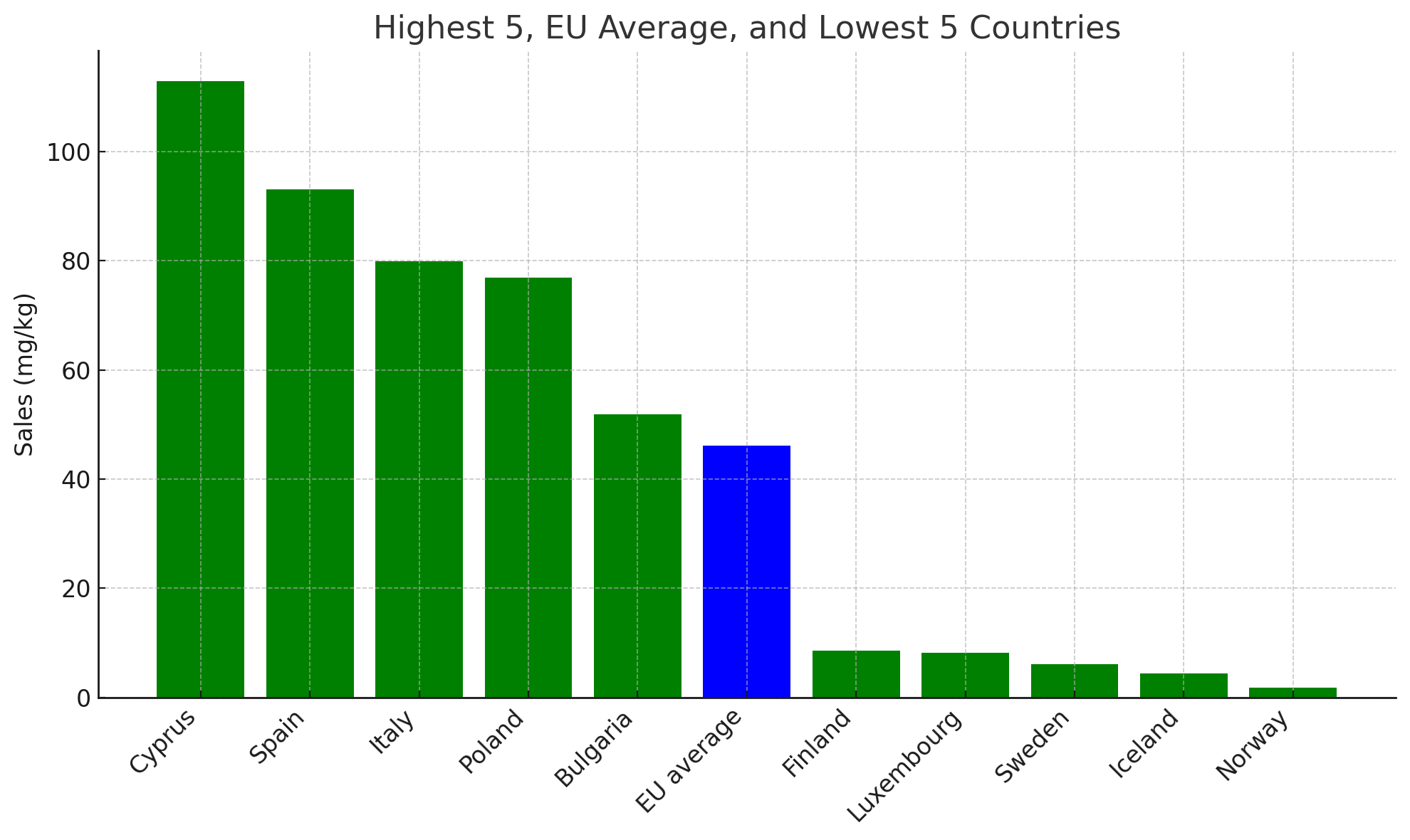
Five countries - France, Germany, Italy, Poland and Spain - accounted for 75% of the total EU sales volume (in tonnes) in 2024. These same countries represent around 60% of the estimated EU food biomass production.
Meanwhile, organizations in the animal health sector, including AnimalHealthEurope, are urging a shift in mindset around disease control. They argue that disease prevention must be treated as a strategic investment rather than a reactive measure. Their position aligns with a recent resolution from the World Organisation for Animal Health, which calls for comprehensive animal vaccination strategies by 2030.
According to their joint statement, prioritizing preventive health measures would reduce the need for antimicrobial treatments: “Moving from a reactive approach in animal disease control to a preventive approach is a necessary paradigm shift, in line with the global One Health approach, which aims to address the full spectrum of disease control - from disease prevention to detection, preparedness, response, and management - and to improve and promote health and sustainability.”