
Prevention takes centre stage in EU cardiovascular health report
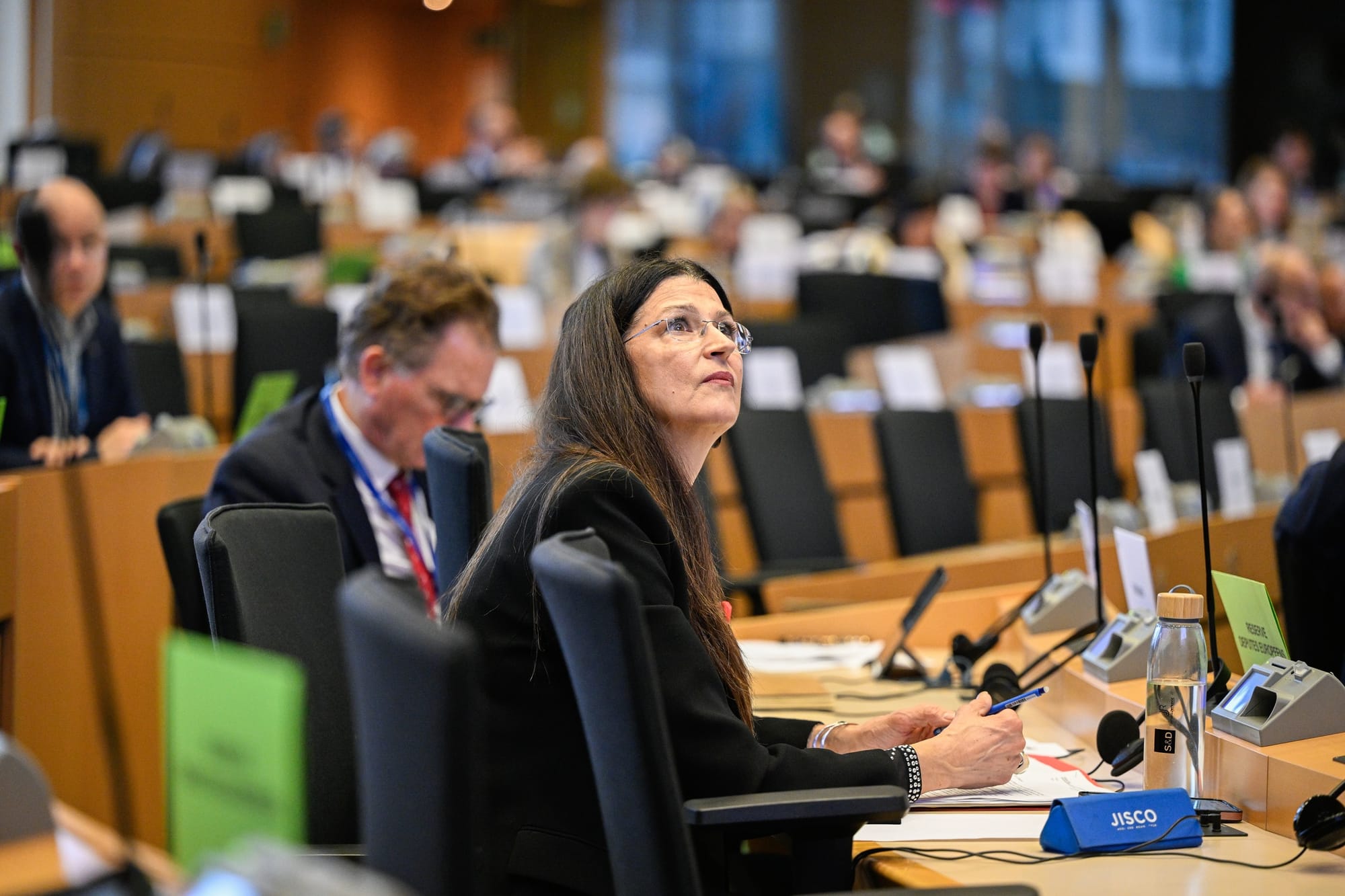
The European Parliament’s first debate on MEP Romana Jerković's (S&D, Croatia) draft own-initiative report for an EU cardiovascular disease (CVD) strategy revealed broad support for action, alongside early differences of emphasis rather than open disagreement.
Presenting her draft, rapporteur Jerković underlined the urgency of the issue: cardiovascular diseases remain the EU’s leading cause of death, are largely preventable, and impose huge social and economic costs. Her report calls for a shift towards prevention, stronger primary care and attention to inequalities, while arguing that public policy must address unhealthy environments and marketing practices, especially when children are targeted.
Renew MEP Vlad Vasile-Voiculescu (Romania) highlighted prevention “from a young age” as a central priority, pointing to aggressive marketing of alcohol and flavoured vapes on social media. He called for stronger school-based programmes and tighter marketing rules, noting that the upcoming review of the Audiovisual Media Services Directive was “a key opportunity to better protect young people”.
Speaking for the EPP, Jessica Polfjärd (Sweden) welcomed the draft as a solid starting point. She shared the focus on prevention and inequalities, while signalling future amendments to better reflect the role of treatment, innovation, and European food producers, and the respect for national competencies.
From Patriots for Europe, Viktória Ferenc praised the report’s strategic approach and its attention to regional and gender disparities. She highlighted the need to address multimorbidity more clearly, particularly the links between cardiovascular disease, diabetes and metabolic conditions.
Environmental and lifestyle factors featured strongly in the intervention by Martin Häusling MEP (Green, Germany), who encouraged the rapporteur to strengthen references to air pollution, pesticide exposure, food composition and alcohol and tobacco consumption, stressing the limits of voluntary measures.
In her closing remarks, Jerković was explicit about the report’s stance on industry. “This is not a debate of being for or against industry. It is a debate about being for public health,” she said, adding that marketing unhealthy products to children cannot be framed as consumer choice because “children are not informed and free consumers.” An economy that depends on people becoming sick, she argued, “is not sustainable and it’s not even ethical”.
The deadline for amendments has been extended from 6 to 13 February due to a delay in translating the report into all languages.