
Pharma sector slams Commission after Wastewater Directive excluded from Environment Omnibus
Commission environmental simplification package leaves Wastewater Directive untouched
The Commission presented its Environmental Omnibus package today (10 December), aimed at simplifying EU environmental legislation across several areas, including permitting, emissions standards, hazardous-waste treatment, extended producer responsibility (EPR), and the use of geospatial data.
One area where changes had been anticipated was the EPR obligations for the cosmetic and pharmaceutical sectors under the Urban Wastewater Treatment Directive (UWWTD). Both sectors have launched a legal challenge, arguing that the Directive disproportionately targets them and shifts responsibility away from other contributors to micropollutants in water, such as the broader chemical industry, textiles and agriculture.
In an unusual move, the Commission’s accompanying “questions and answers” document explains why the UWWTD does not form part of the Omnibus package. According to the Q&A, an updated study by the Joint Research Centre estimates that implementation costs remain broadly in line with those in the 2022 impact assessment, once inflation, new cost data and differences between the final Directive and the original proposal are taken into account. This brushes away claims by industry that the original study relied on flawed toxicity assumptions and severely underestimated cost projections.
The JRC estimates that the costs of treatment have increased from 1.2 billion €/year by 2040 anticipated in 2021, to 1.56 billion €/year in 2025 prices due to higher than expected inflation.
EFPIA (European Federation of Pharmaceutical Industries and Associations) was quick to express disappointment. They argue that, without corrective action, the UWWTD will impose disproportionate administrative and financial burdens on the sector and could even threaten the availability of certain medicines.
EFPIA also criticized the process behind the latest study: “EFPIA has not been consulted on the study that aims to assess the impact on the concerned sectors, while the European Commission did not take into account cost estimates submitted by member states and industry. These omissions are incomprehensible and increase our deep-rooted concern about the institutions' approach to this crucial file.”
“We are very disappointed at the lack of action to address the threats to access to medicines posed by the Urban Waste Water treatment directive,” said the Director General at Medicines for Europe, Adrian van den Hoven, which represents the generic and biosimilar sector. “It is a real missed opportunity to prevent an inevitable tsunami of medicines shortages.”
Van den Hoven also complained that the sector was not consulted on the JRC study, “despite multiple requests from our side”.
Health Commissioner Olivér Várhelyi has previously signalled support for the sector, saying he is not “deaf or blind” to pharma’s concerns about the UWWTD and that he will do “everything in his power” to correct what he views as an unfair burden placed particularly on pharmaceuticals.
 Catherine Feore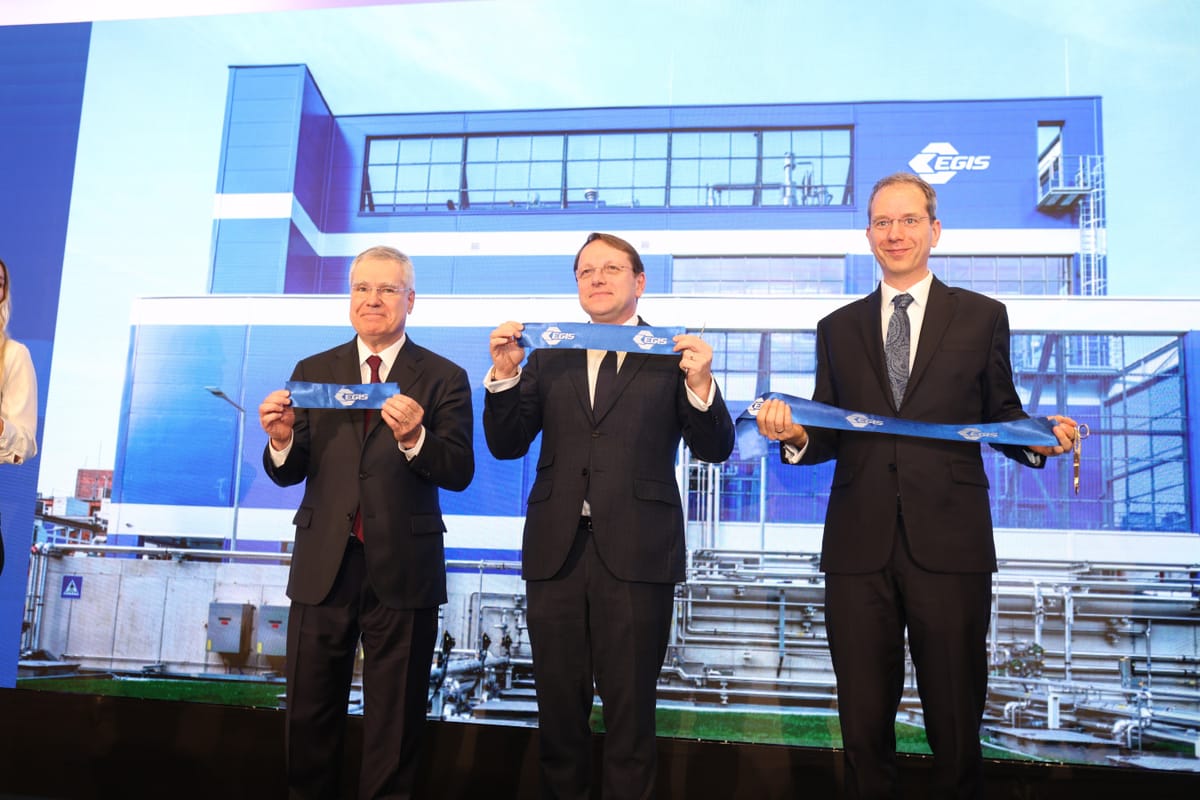
At the recent Health Council (2 December) Czechia presented a report calling on the Commission to take into account the cost of the legislation on the healthcare system. Austria, Croatia, Estonia, Germany, Hungary, Ireland, Latvia, Lithuania, Poland, Portugal, Slovakia, Slovenia and Sweden supported the Czech proposal.
The need to revisit the Directive also featured at the 25th Franco-German Council of Ministers (29 August), where both governments called for new Commission initiatives to simplify EU legislation, including a “targeted simplification” of the UWWTD.
 Catherine Feore
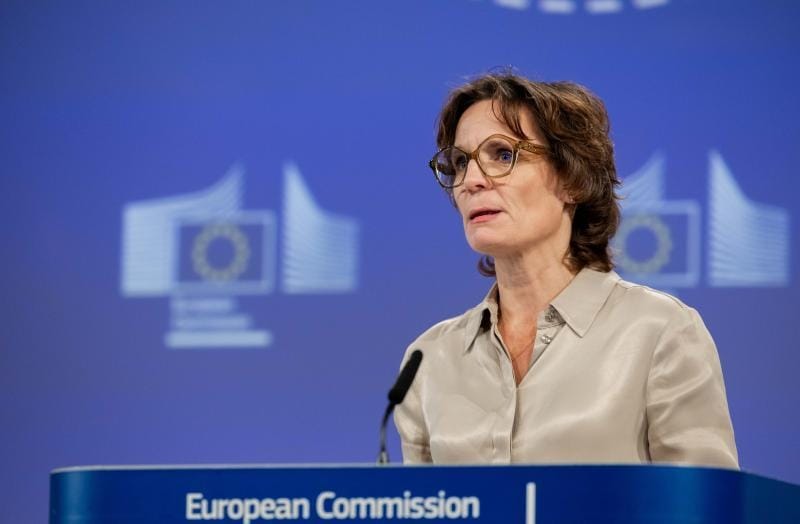
Asked about concerns that the pharmaceutical sector faced a disproportionate burden, Environment Commissioner Jessika Rosswall stressed the importance of ensuring clean water for people and businesses and described the UWWTD as essential to achieving this goal. She reaffirmed the Commission’s commitment to the “polluter pays” principle.
However, Rosswall also noted the Commission’s ongoing dialogue with Member States and highlighted that the legislation contains flexibility. Affordability of medicines, she said, would “of course” be taken into account.
The Commission is sticking to its common line for the time being, but it is clear that, with divisions in its ranks and pressure from industry and member states, the UWWTD is likely to be a source of further dispute in 2026.
Timeline for UWWTD
31 July 2027: Deadline for transposition into national legislation
31 December 2028: Cosmetics and pharmaceutical sectors comply with EPR obligations
2035: Collection systems for secondary treatment of water removing biodegradable organic matter +1000 people and integrated urban wastewater management plans for agglomerations +100,000 people
2039: Tertiary treatment (removal of nitrogen and phosphorus) +150,000 people
2045: All urban agglomerations of +150,000 must implement quaternary treatment removing micropollutants