
MEPs seek safeguards on new organ-processing technologies
MEPs backed the potential of new organ-processing technologies to improve transplantation but called for safeguards to protect patient safety and non-commercial use
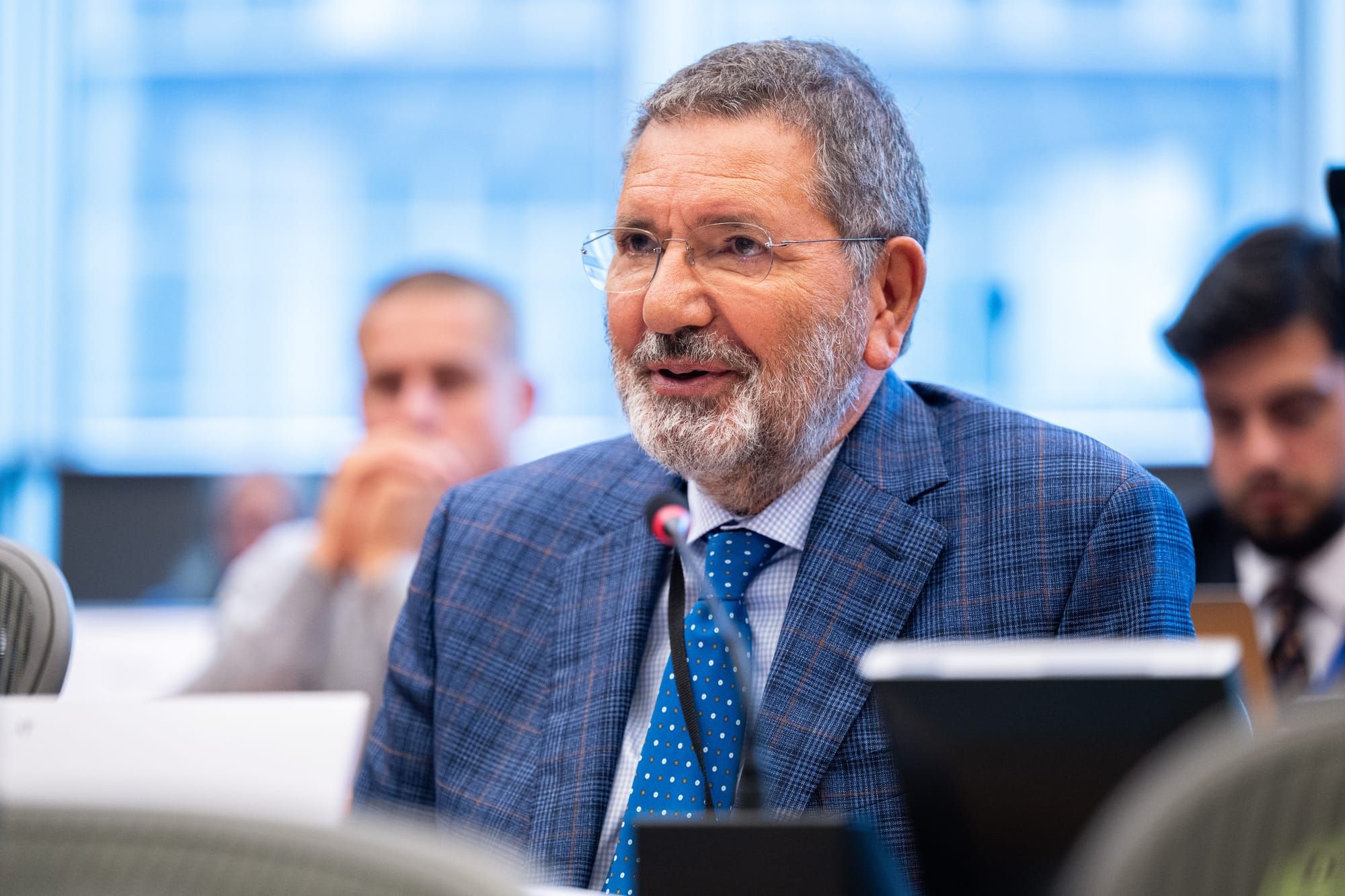
MEPs broadly backed proposed legislative changes permitting new organ-processing technologies that could save thousands of lives, but said any change must ensure innovation does not undermine the altruistic and non-commercial nature of organ donation.
At a joint meeting of the European Parliament's Environment (ENVI) and Public Health (SANT) committees (2 September), MEPs discussed the European Commission's proposal to amend the Directive on the quality and safety of organs for transplantation (2010/53/EU), as part of its wider European Biotech Act package.
New technology could transform organ preservation
MEPs broadly agreed that advances in organ processing offer substantial benefits. Co-rapporteur Adam Jarubas (EPP, Poland) said biotechnology could improve transplant outcomes, increase the number of organs available and extend preservation times, but he underlined the importance of ethical issues.
“We do not want to make new barriers to transplants, nor delay access to innovative solutions,” Jarubas said. “We want modern methods of organ processing to be used in a safe, foreseeable and ethical way in compliance with the rule of non-commercialisation of human organs for transplant.”
Ignazio Marino (Green, Italy), a transplant surgeon and MEP, said technological advances could fundamentally change the geographical limits of Europe's transplantation system.
New hypothermic and normothermic machine-perfusion systems allow clinicians to preserve organs for longer and assess their function outside the body. Clinicians can determine whether “the heart is beating, if the liver is producing bile, and if the kidney is producing urine” before transplantation, he said.
Cross-border movement of organs
Longer preservation times mean organs can travel greater distances. “Until a few years ago, we could not transport the organ, for example, from Italy to Lithuania or from Croatia to Spain. Now we can, and very safely,” Marino said.
He argued that Europe should improve continent-wide allocation so organs available in one member state can reach critically ill or difficult-to-match patients elsewhere.
Stine Bosse (Renew, Denmark) called for rules minimising administrative burdens and duplicate authorisations when organs move across borders. “We must enable collaboration across borders, including for clinical data and organ processing authorisations,” she said.
Parliament considers stronger benefit-risk tests
Speaking on behalf of S&D shadow rapporteur Romana Jerković, Marta Temido called for additional safeguards, including comprehensive benefit-risk assessments before organ-processing techniques are authorised.
She said ssessments should consider the organ, processing technique, intended clinical use and expected benefits and risks to recipients. S&D amendments also envisage an EU alert mechanism so serious safety concerns identified in one member state can be rapidly communicated elsewhere.
Recipients should receive “clear and comprehensible information” about how an organ has been processed and “any relevant additional risks or scientific uncertainty”, Temido said.
The EPP's Tomislav Sokol wasn’t present, but an MEP speaking on his behalf called for a “clear and future-proof definition” of organ processing covering technologies capable of changing an organ's biological or genetic characteristics. He said technologies already regulated as medicines or medical devices should not automatically face duplicate procedures, and that greater cooperation between regulators could reduce administrative burdens.
Risk that an organ becomes a ‘product’
Some lawmakers warned that increasingly sophisticated processing could blur the boundary between a donated organ and a commercial medical product.
MEPs from The Left argued that the Parliament must ensure processing does not transform organs into products that companies can sell.
“We need also to make sure that organs will remain organs,” the group's representative said, warning against them “turning into something like medical devices or medical products to be sold to patients”.
Nicolás González Casares (S&D, Spain) similarly identified commercialisation as a central concern. Europe's transplantation system rests on “non-negotiable criteria”, he said, including voluntary, unpaid donation and solidarity between donors and recipients.
“If we allow for products related to organs to derive commercial benefit, we'd be going down the wrong track,” González Casares warned.
Commission: processed organs must remain non-commercial
The European Commission sought to reassure lawmakers that innovation would not change the legal and ethical status of donated organs.
“It is essential that organs which undergo processing continue to be treated as non-commercial substances of human origin,” a Commission representative said, adding that they should remain covered by EU principles governing organ donation and transplantation.
The Commission highlighted the potential for processing to extend transplantation times, increase the number of usable organs and improve their quality. National organ authorities should nevertheless assess such technologies, including through cooperation with regulators in other sectors where necessary.
As Jarubas said in his closing remarks, the objective is a framework that supports current and future technology while remaining “focused above all” on patients and preserving citizens' trust in organ donation and transplantation.