
MEPs call for a united response to US pharmaceutical pricing policies
MEPs are concerned by rising medicine costs, delayed launches and growing threats to patient access
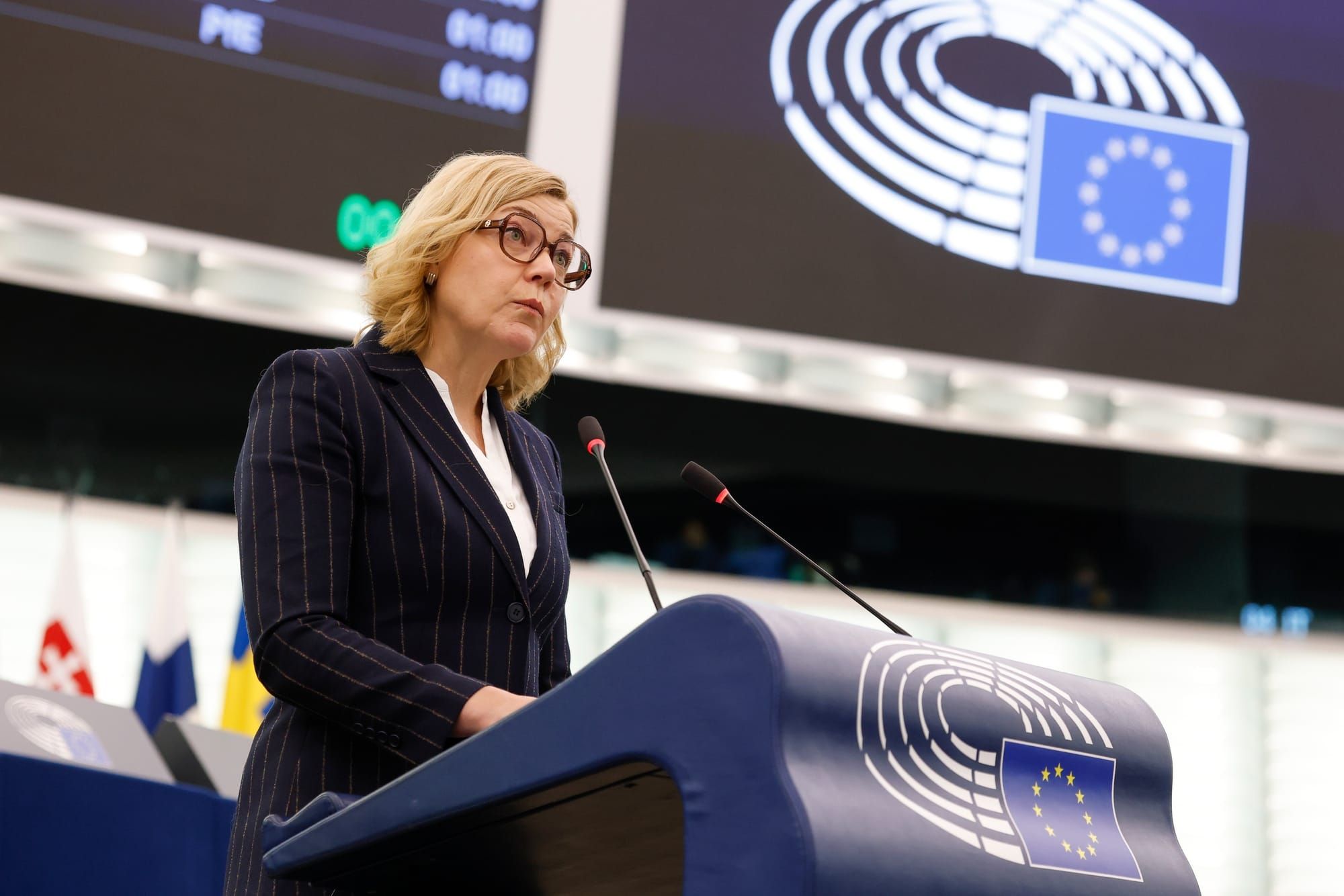
MEPs have urged the European Commission to mount a co-ordinated response to US pharmaceutical pricing policies, warning that Washington’s policies could leave European patients facing higher costs and longer waits for innovative and life-saving medicines.
During Thursday’s European Parliament plenary debate, MEPs warned that President Donald Trump’s most-favored-nation (MFN) pricing policy, which seeks to link US medicine prices to a basket of wealthier OECD economies and Section 301 tariff threats, risks undermining Europe’s universal healthcare systems, discouraging pharmaceutical investment and exacerbating existing inequalities in access to treatment.
MEPs warn of declining medicine launches
Several lawmakers cited a reported 35% decline in new medicine launches in Europe over the past ten months, pressing the Commission to deliver immediate measures rather than rely exclusively on longer-term legislative reforms.
A Commission assessment published in July, drawing on European Medicines Agency (EMA) data and a survey of national pricing and reimbursement authorities, found no clear trend of declining marketing authorisations, delayed launches or medicine withdrawals.
“Safeguarding patients’ access to essential, innovative, and life-saving medicines and a strong European ecosystem is our top priority,” Executive Vice-President of the European Commission for Tech Sovereignty, Security and Democracy, Henna Virkkunen, said.
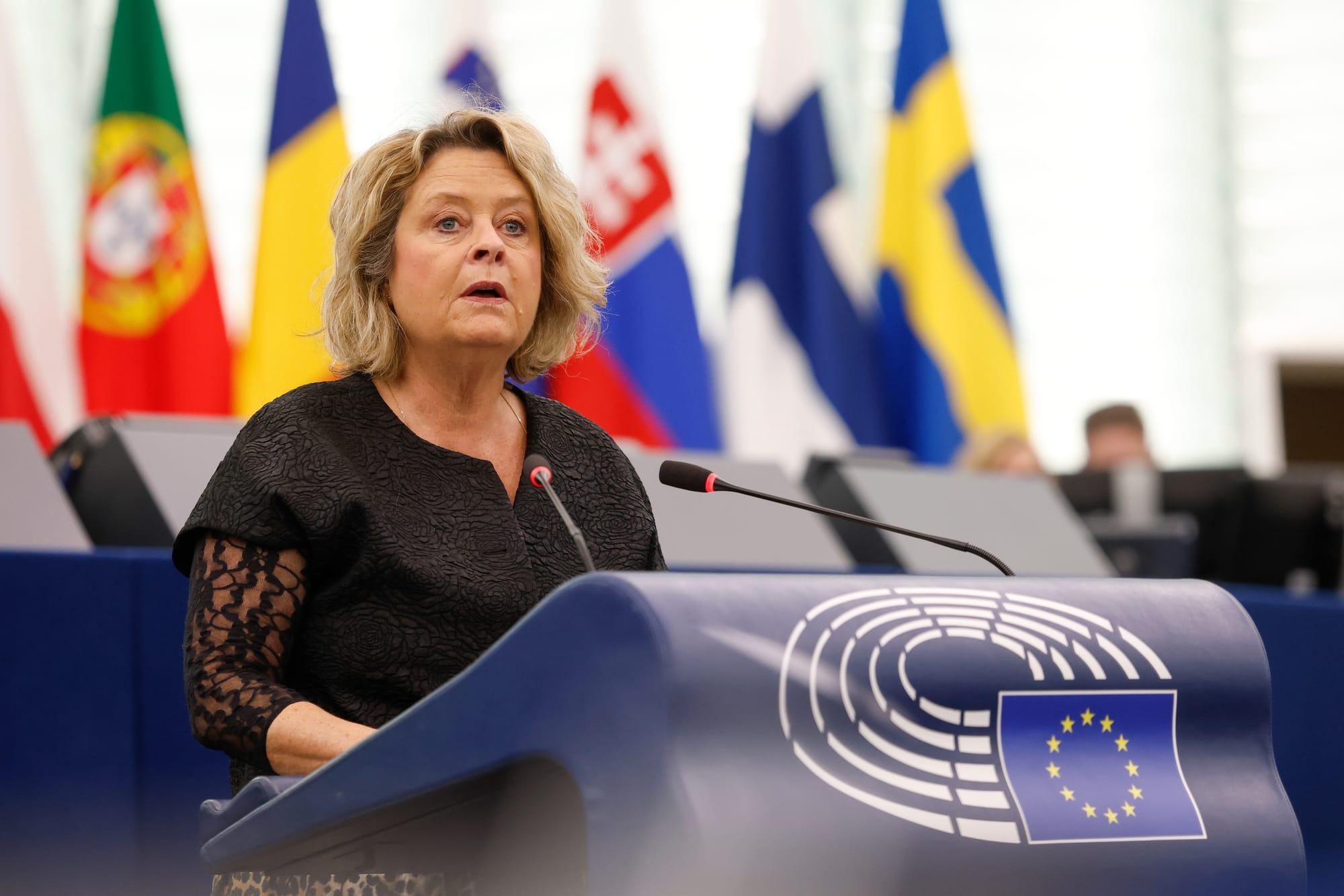
Nevertheless, she acknowledged that “too many uncertainties remain to draw meaningful conclusions about the possible implications of US pricing policies on EU markets for medicines”.
Renew Europe MEP Stine Bosse (Denmark) pointed to the postponed German launch of a new treatment for chronic lung disease amid uncertainty surrounding American drug pricing.
“When a European price can pull down an American price, companies hold medicines back from Europe. In 10 months, launches in Europe fell by 35%. Smaller member states are hit first, and this is only the beginning,” Bosse warned.
“The price of our citizens’ health cannot be set by the White House,” she added. “Divided, we take the price; united, we set the terms.”
S&D MEP Romana Jerković (Croatia) pressed the Commission for immediate action, warning that smaller member states were particularly vulnerable to delayed launches and that recently adopted European legislation could take years to deliver tangible benefits.
“Europe must not become the solution to America’s pharmaceutical pricing problem,” Jerković said, calling for stronger cooperation on pricing and joint procurement.
European patients must not pay America’s pharmaceutical bill
S&D MEP Tiemo Wölken (Germany) insisted that European patients should not shoulder the financial burden of structural shortcomings in the American healthcare system.
“European patients should not have to pay the bill for the problems with the American health system,” Wölken said, arguing that pharmaceutical innovation supported by public funding, tax incentives and patent protection was meaningless if patients could not afford treatments.
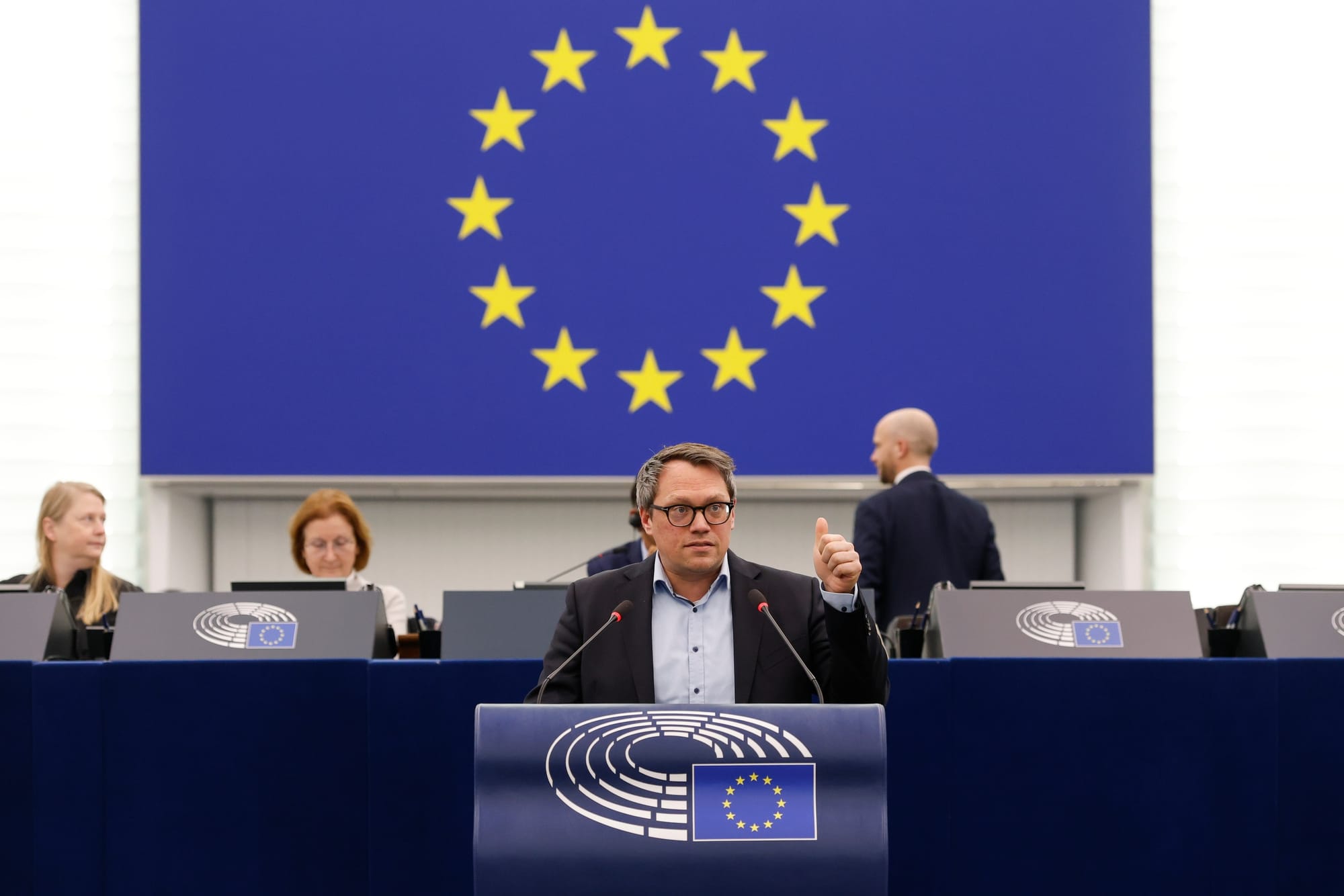
S&D MEP and former European Health Commissioner Vytenis Andriukaitis (Lithuania) rejected Trump’s assertion that comparatively low European medicine prices were responsible for high American prices.
“The evidence shows that lower European prices are not the reason for higher American ones,” Andriukaitis said.
He cited modeling suggesting that medicine prices in reference countries could triple under the MFN strategy, while American prices would decline by only 7–15%.
Catarina Martins (Portugal), an MEP from The Left group, described Washington’s policy as an attack on Europe’s social model, accusing the US administration of protecting pharmaceutical companies’ profits at the expense of patients. Martins said that the EU needs compulsory licensing and an end to “abusive patenting”.
MEPs warn against bilateral deals with Washington
Renew Europe MEP and former health minister Vlad Voiculescu (Romania) described access to medicines as a European security issue, warning that the high drug prices experienced by American patients could become a reality for Europeans.
“The only way to act is together as a joint voice as a European people,” Voiculescu said, rejecting bilateral negotiations with Washington.
Croatian MEP Tomislav Sokol (EPP) echoed those concerns, warning against individual governments striking separate agreements with the Trump administration.
“One of the crucial things is that European national governments do not make bilateral deals with the US, because that would definitely weaken our bargaining position,” Sokol said.
ECR MEP and former health minister Aurelijus Veryga (Lithuania) highlighted existing barriers to patient access, citing an average waiting period of 578 days following EMA approval.
“One way to respond could be to enable companies to launch new medicines as soon as they receive EU marketing authorisation, while national pricing and reimbursement assessments continue in parallel,” Veryga said, urging the Commission to consider a day-one access mechanism.
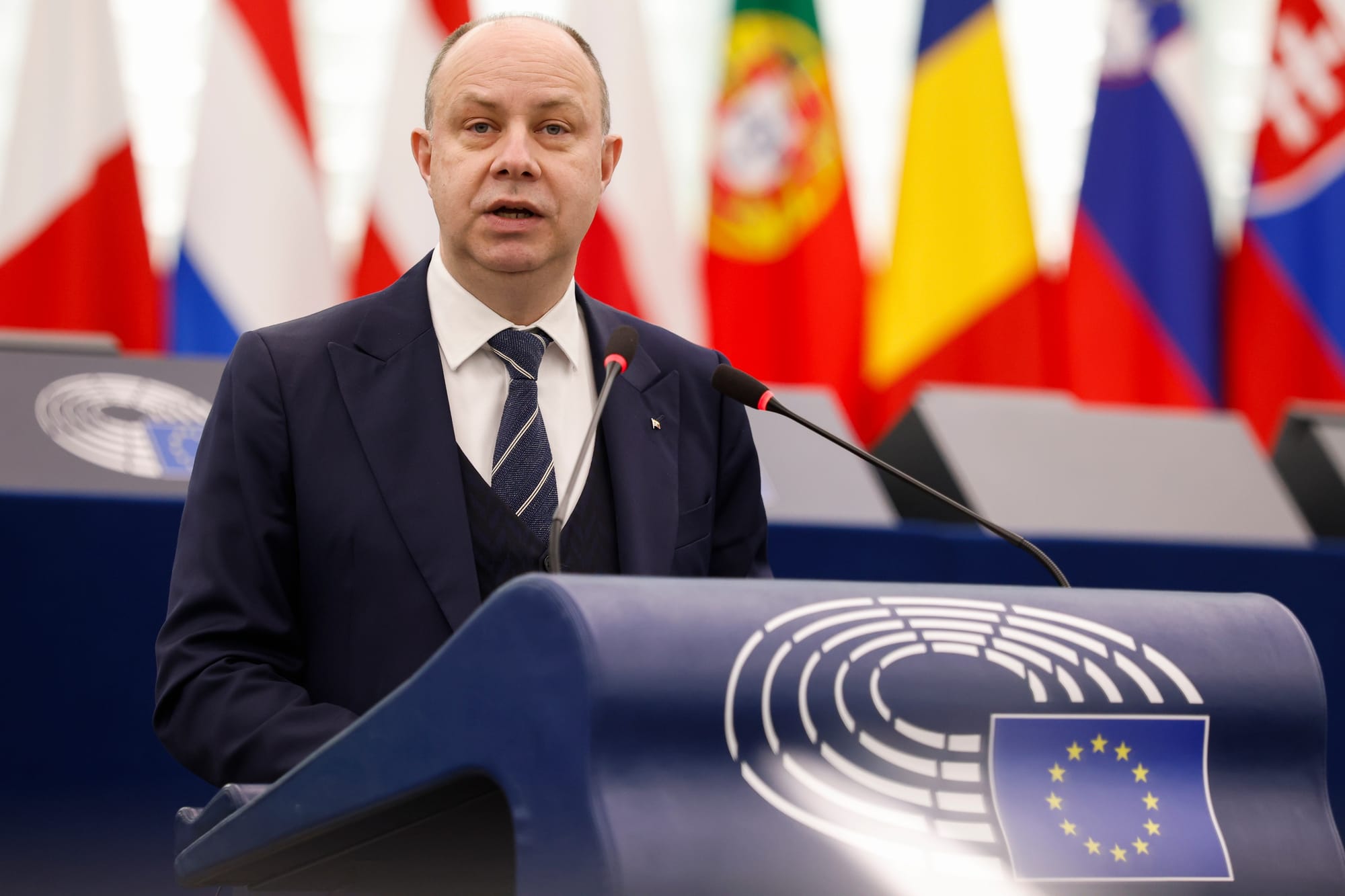
Commission bets on pharmaceutical reform and industrial competitiveness
Virkkunen defended the Commission’s broader pharmaceutical strategy, highlighting Parliament’s adoption on Wednesday of the pharmaceutical legislation reform and the Critical Medicines Act, alongside the proposed Biotech Act and revision of medical devices legislation still in the pipeline.
Despite broad cross-party support for greater European cooperation, divisions remain over centralized pricing negotiations and mandatory joint procurement. While acknowledging external pressures, Virkkunen stressed that pricing, reimbursement and procurement remained primarily national competences.