
Listeria remains Europe's most lethal foodborne threat
ECDC and EFSA warn over danger of Listeria and Salmonella in latest One Health report
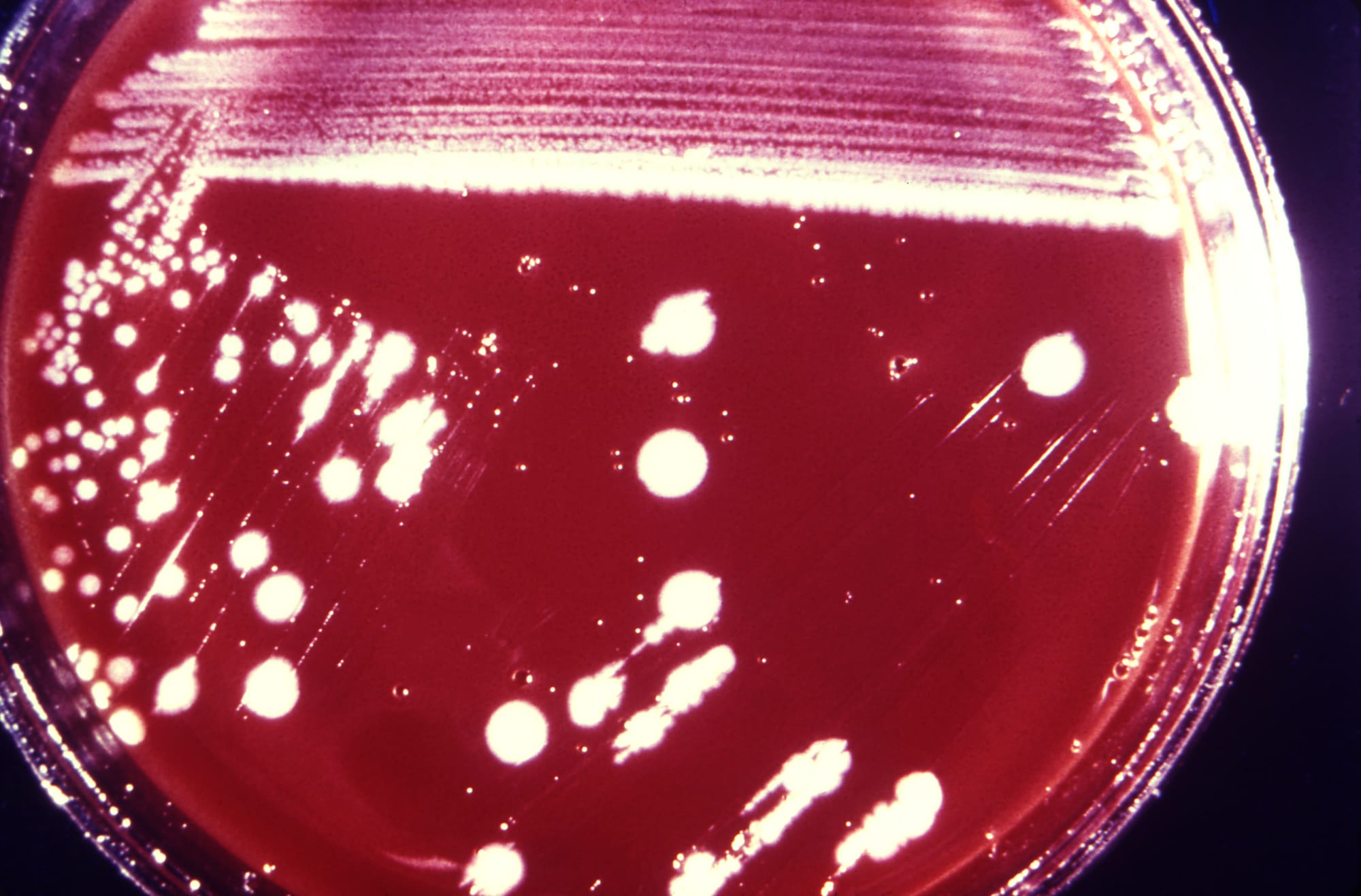
In their joint European Union One Health 2024 Zoonoses Report the ECDC (European Centre for Disease Prevention and Control ) and EFSA (European Food Safety Agency) have highlighted Listeria and Salmonella.
Listeria infections remain uncommon, but cause the highest proportion of hospitalizations and deaths. Approximately seven in ten infected individuals required hospital care, and one in twelve did not survive the illness.
The gradual rise in Listeria cases observed in recent years may be linked to Europe’s ageing population and increased consumption of ready meals.
“Even though contamination is rare, Listeria can cause severe illness, which makes it one of the most serious foodborne threats we monitor,” said Head of ECDC’s One Health Related Diseases Unit, Ole Heuer.
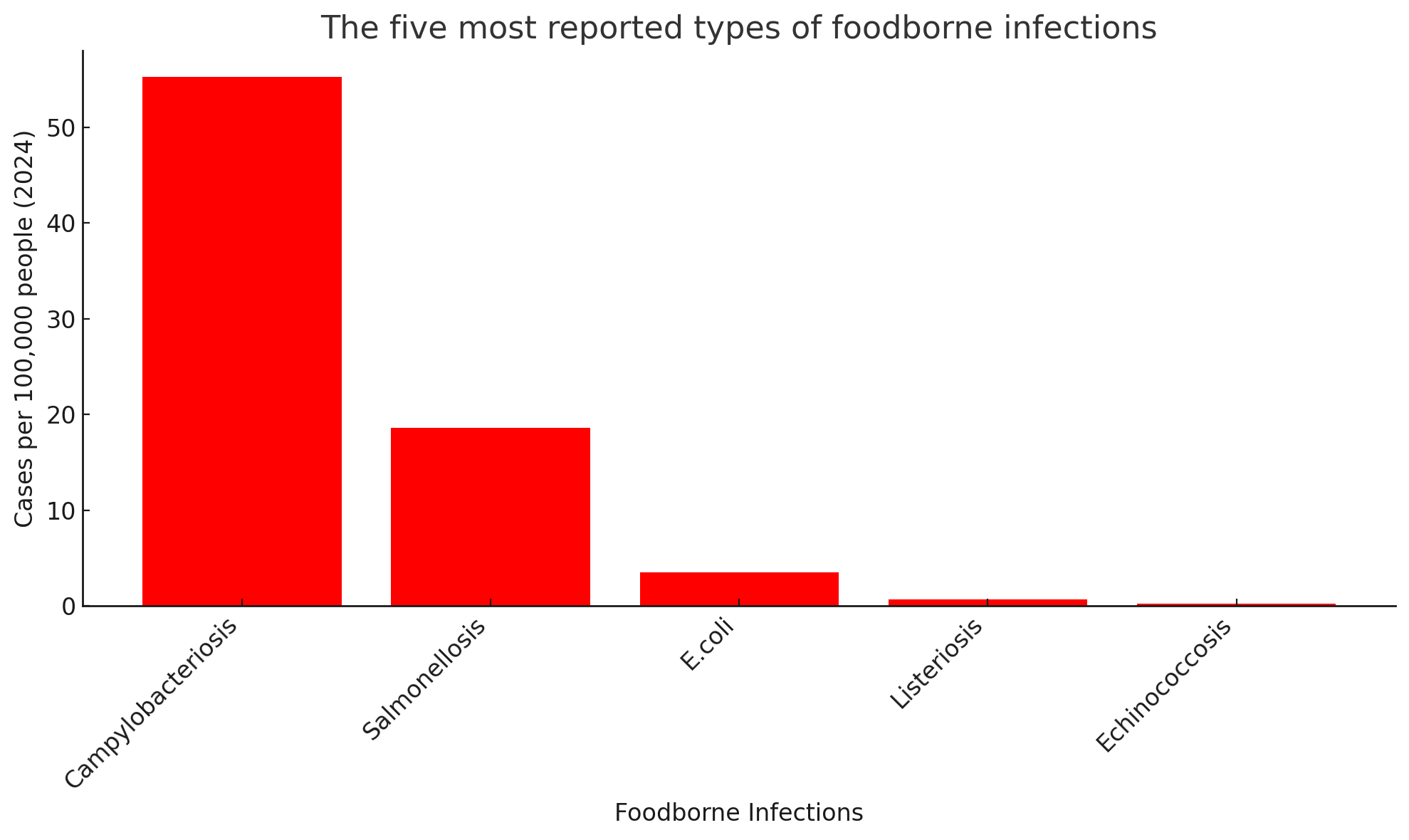
Salmonella and Campylobacter remain the most common cause of foodborne illness.
Over the past decade, the number of breeding chicken and turkey flocks testing positive for Salmonella has increased.
“This year, a significant number of EU countries failed to meet all the targets for reducing Salmonella in poultry, with only 14 Member States reaching full compliance,” said the Head of EFSA’s Biological Hazards and Animal Health and Welfare Unit, Frank Verdonck.
“This reminds us that controlling foodborne bacteria along the food chain requires continuous effort and coordination across sectors, in line with the One Health approach.”