
Inside EU Health: Várhelyi not ‘deaf or blind’ to pharma’s water treatment concerns; ethanol decision postponed; faster system for multinational clinical trials
Várhelyi not ‘deaf or blind’ to pharma’s water treatment concerns; ethanol decision postponed; Europe launches fast-track system for multinational clinical trials
Várhelyi not ‘deaf or blind’ to pharma's concerns over Wastewater Directive
EU Health Commissioner Olivér Várhelyi has signaled strong support for the pharmaceutical industry’s concerns about the Urban Wastewater Treatment Directive, insisting he is neither “deaf nor blind” to the mounting criticism. Speaking at the opening of a new EGIS plant in Budapest’s Kőbánya district, he warned that environmental rules were placing disproportionate obligations on the pharma sector.
Várhelyi said he would do “everything in his power” to ensure a fairer balance, arguing that the current burden-sharing for emoving micropollutants placed an unfair burden on the sector. He urged a reassessment of rules not yet in force to prevent the imbalance from becoming irreversible.
The debate is set to intensify next week, as the Czech government has placed the “Urban Waste Water Treatment Directive – Cost Study” on the agenda of next week's Health Council.
Prague has welcomed the Commission’s ongoing analysis but insists that it must examine not only environmental and infrastructure costs but also theconsequences for national health budgets.
 Catherine Feore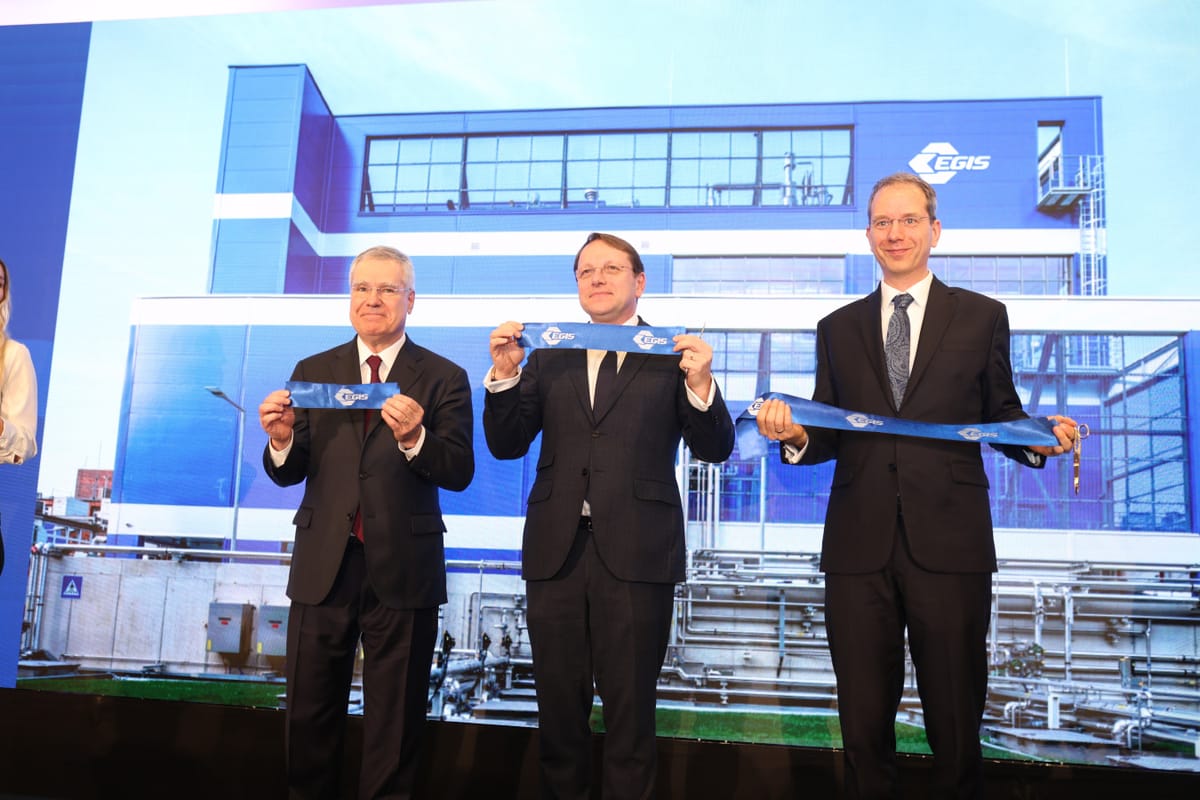
#HandsUpForEthanol: Ethanol decision postponed
Following the European Chemicals Agency’s Biocidal Products Committee (BPC) meeting this week, A.I.S.E., which represents the hygiene industry, has responded to the decision to postpone an opinion on ethanol, citing lack of consensus among member states.
Head of EU Affairs at A.I.S.E., Nicole Vaini, said the decision was “a missed opportunity to reaffirm ethanol in biocides as safe, essential and irreplaceable.” She warns that continued uncertainty risks undermining public and professional trust in ethanol-based biocides, which form the first line of defence against infections, including the 3.5 million healthcare-associated infections recorded annually across the EU and EEA, resulting in 90,000 deaths.
The German Pharmaceutical Industry Organisation (Bundesverband der Pharmazeutischen Industrie) has also urged the European Commission and member states to adopt a path that safeguards the essential use of ethanol.
Through the #HandsUpForEthanol campaign, partners continue to mobilise across Europe, arguing that ethanol remains vital for infection prevention, supply chain resilience and preparedness for future health emergencies.
FAST-EU: Europe launches fast-track system for multinational clinical trials
National Competent Authorities and Ethics Committees across the EU/EEA have committed to piloting FAST-EU (Facilitating and Accelerating Strategic Trials), a co-ordinated fast-track approach to authorising multinational clinical trials.
Aligned with the European Commission’s upcoming legislative initiative and ambitions to speed up clinical trial approval, FAST-EU introduces clear timelines and streamlined co-ordination to give sponsors greater predictability while upholding scientific, safety and ethical standards. The pilot will start at the beginning of the new year.