
Inside EU Health: Threat from foodborne bacteria; low-alcohol wine labelling; Serbia to join EU4Health; COVID-19 mRNA vaccines cut mortality
Threat from foodborne bacteria; low-alcohol wine labelling; Serbia to join EU4Health programme; COVID-19 mRNA vaccines cut mortality
ECDC and EFSA says control of foodborne bacteria requires continuous effort
The ECDC and EFSA are calling for continuous efforts to reduce the risks from foodborne disease in the latest EU One Health 2024 Zoonoses Report. The health and safety authorities highlight that Listeria infections, though rare, can lead to the highest rates of hospitalization and death. “Even though contamination is rare, Listeria can cause severe illness.”
A gradual rise in Listeria cases may be linked to Europe’s ageing population and higher consumption of ready meals. Officials stress that its severity makes it one of the most closely monitored foodborne threats.
Salmonella remains far more common, with increasing positivity in chicken and turkey flocks. Only 14 EU Member States met all reduction targets this year, a situation that, EFSA says: “reminds us that controlling foodborne bacteria requires continuous effort.”
 Catherine Feore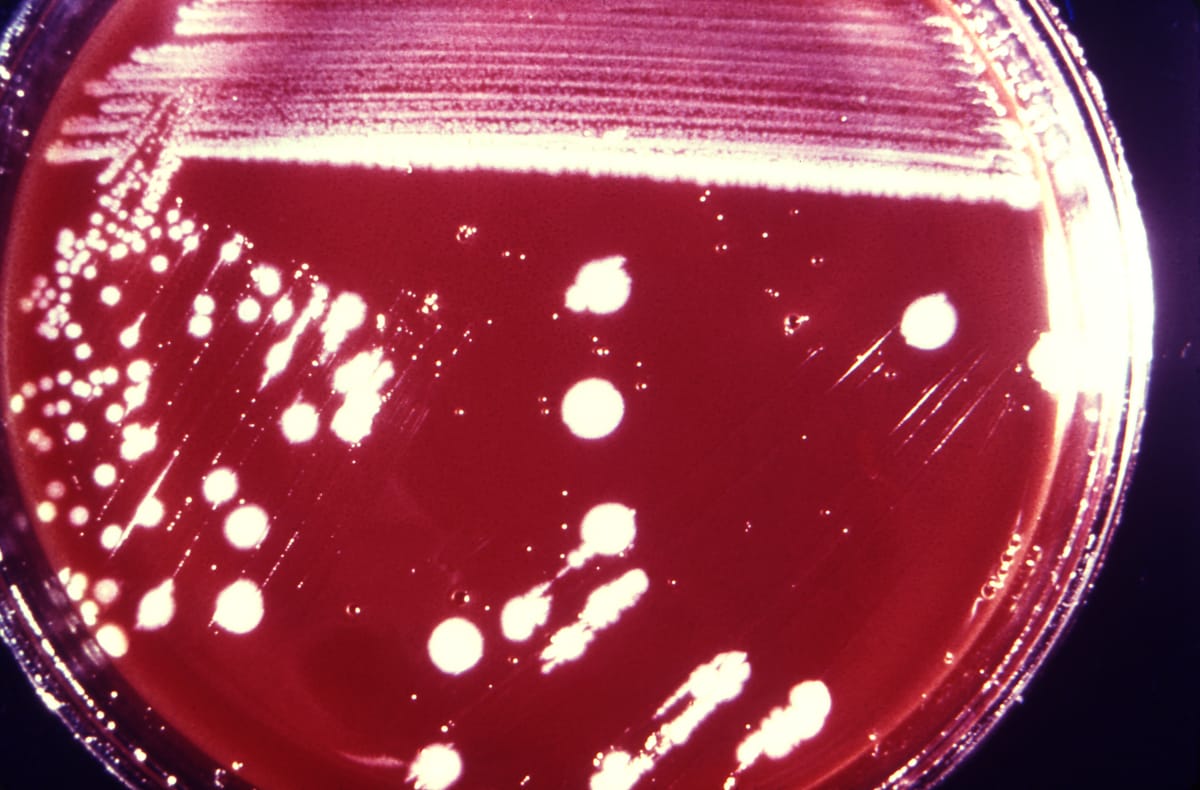
EU agrees new labelling rules for low-alcohol wines
The Council and the European Parliament have reached an agreement on new rules shaping the future of the EU’s wine sector, responding to both persistent overproduction and a steady decline in consumer demand, especially among younger drinkers.
European consumers are drinking less wine, while interest in low- and no-alcohol options is growing. Producers say more better labeling could help them compete and address consumer concerns.
Under the agreement, the label “alcohol-free” will apply to wines containing less than 0.5% alcohol; products with less than 0.05% alcohol may use the designation “0.0%”. Lawmakers have introduced the term “reduced-alcohol” for wines that contain more than 0.5% alcohol but have at least 30% less alcohol than their standard counterparts. This replaces the previously proposed label “alcohol-light.”
Várhelyi to host talks on improving border checks on food
Tomorrow, Health Commissioner Olivér Várhelyi will hold an 'Implementation Dialogue' on EU import controls for food, animal and plant products. The meeting will bring together agri-food representatives to discuss how to improve the efficiency of border checks while upholding the EU’s high safety standards.
The discussion will support the launch of a Task Force in early 2026 to further strengthen official controls in line with the EU’s ‘Vision for Agriculture and Food’. A report of the event will be published online shortly after the meeting.
Serbia to join EU4Health programme
The EU has signed a new agreement granting the Republic of Serbia full access to the EU4Health programme.
Beginning 1 January 2026, Serbian public and private health entities will be eligible to apply for EU4Health funding through open calls, direct grants and joint actions.
European Health Commissioner Olivér Várhelyi welcomed the agreement, saying it will “further cement our close co-operation with Serbia on health issues” and strengthen the country’s ability to meet both urgent and long-term health goals. He added that the step is “proof of the EU’s commitment to improve healthcare in the Union and beyond.”
French study finds COVID-19 mRNA vaccines cut mortality
In a large nationwide cohort study in France, 28 million individuals aged 18 to 59 (22.7 million vaccinated and 5.9 million vaccinated), no increased risk of all-cause mortality was observed after four years among those vaccinated with COVID-19 mRNA vaccines. Taking account of all variables, it appears that a causal link between mRNA vaccination and excess long-term mortality appears highly unlikely.
Over the study period, vaccinated individuals experienced significantly fewer deaths, including a 74% lower risk of dying from severe COVID-19. Overall, they had a 25% lower risk of all-cause mortality, an association that persisted even after excluding COVID-19 deaths. Sensitivity analyses consistently showed reduced mortality among the vaccinated across major causes of death.
These findings provide population-level evidence that mRNA vaccines do not increase long-term mortality in younger adults and continue to offer substantial protection against severe COVID-19. Read more here FR and EN.