
Inside EU Health: Public benefit for EU research; US trade challenge to Germany; SoHo
50 organisations call for public benefit from publicly funded medicines research; Lange warns ‘Section 301’ investigation threatens Turnberry trade deal; ECDC unveils harmonised screening standards for HBV and HCV screening
50 organisations call for public benefit from publicly funded medicines research
In a joint letter signed by 54 organisations, campaigners have called on the European Parliament to support amendments to the Industry, Research and Energy (ITRE) Committee’s position on the EU’s next research and innovation framework programme (FP10), arguing that publicly funded research should deliver greater public benefit, including affordable and timely access to new medicines.
The initiative, led by Salud por Derecho (Right to Health Foundation), argues that while public institutions such as universities, hospitals and research centres play a vital role in developing new medicines, they often have limited influence over key issues such as availability and access once products reach the market.
The signatories are urging lawmakers to ensure that access considerations are integrated into publicly funded health research from the outset. The letter says that public funders should ensure that public investment delivers “maximum value by supporting timely, affordable and equitable access to any resulting medicines, vaccines, diagnostics and other health technologies”.
The letter argues that the issue extends beyond fairness to the broader question of how publicly funded research delivers value to society. It states that “appropriate access-planning measures can also improve accountability and public trust in publicly funded research and innovation by ensuring public return on public investment while supporting resilient and sustainable innovation ecosystems”.
The organisations say their proposals are a way to help realise existing European and international policy commitments, including the EU Global Health Strategy and the WHO Pandemic Agreement.
Lange warns ‘Section 301’ investigation threatens Turnberry trade deal
The Trump administration’s decision to launch a Section 301 investigation into Germany’s pharmaceutical pricing system has sparked a strong backlash from European Parliament Trade Committee Chair Bernd Lange (S&D, Germany), who described the move as an unacceptable intrusion into national policymaking.
“Unfortunately, this is no bad joke,” Lange said, calling the probe into a German draft law on medicine prices “interference in national sovereignty” and an “absolute no-go.” He also pointed to safeguards secured by the European Parliament against potential breaches of the EU-US Turnberry Agreement.
The US investigation could lead to retaliatory tariffs if Washington concludes that German pricing policies harm American economic interests. German Chancellor Friedrich Merz rejected US involvement, insisting medicine reimbursement decisions are “a purely domestic matter.”
The dispute comes as Germany seeks to curb soaring drug costs. Pharmaceutical spending more than doubled between 2012 and 2025, rising from €27 billion to €58.5 billion. The row also raises fresh questions about the durability of the Turnberry deal, which now faces an early test of its credibility.
 Catherine Feore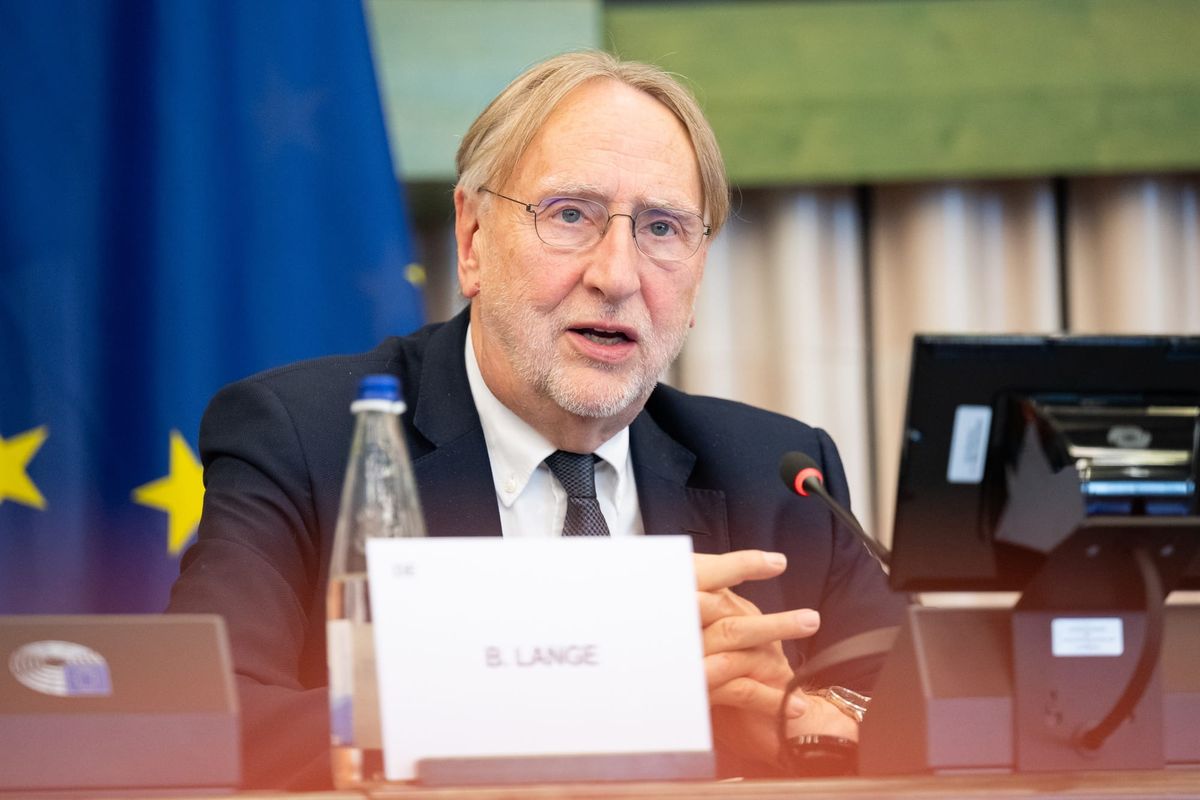
ECDC unveils harmonised screening standards for HBV and HCV screening
The European Centre for Disease Prevention and Control (ECDC) has published updated technical guidelines to strengthen protection against hepatitis B virus (HBV) and hepatitis C virus (HCV) transmission.
“This update is a major step in protecting European citizens,” said Bruno Ciancio, Head of Unit for Directly Transmitted and Vaccine-Preventable Diseases at ECDC. “We are replacing outdated and fragmented safety measures with evidence-based modern standards for hepatitis B and C virus screening. This will ensure patients get a high level of protection across the continent and reduce the risk of infection from donors.”
The guidelines are part of the implementation of the updated Substances of Human Origin (SoHO) regulation, which covers donated blood, stem cells, reproductive cells, and tissues. The rules cover the European Union and the European Economic Area.
The guidelines take effect in August 2027.