
Inside EU Health: Pharma slams Commission decision to exclude Wastewater Directive from omnibus; Várhelyi reveals name of cardio plan; crunch time for Pharma Package
Pharma slams Commission for excluding Wastewater Directive from Environment Omnibus; Várhelyi reveals name of cardiovascular plan; Pharma trilogue continues into the night
Pharma slams Commission for excluding Wastewater Directive from Environment Omnibus
The European Commission has decided not to include revisions to the Urban Wastewater Treatment Directive in its latest package of measures aiming to simplify the regulatory burden on businesses.
“We are very disappointed at the lack of action to address the threats to access to medicines posed by the Urban Waste Water treatment directive,” said the Director General at Medicines for Europe, Adrian van den Hoven, which represents the generic and biosimilar sector. “It is a real missed opportunity to prevent an inevitable tsunami of medicines shortages.”
EFPIA also criticized the process behind the latest study: “EFPIA has not been consulted on the study that aims to assess the impact on the concerned sectors, while the European Commission did not take into account cost estimates submitted by member states and industry. These omissions are incomprehensible and increase our deep-rooted concern about the institutions' approach to this crucial file.”
Many EU member states have already asked the Commission to review its analysis of the legislation’s impact saying that it does not take the cost on healthcare systems into account.
 Catherine Feore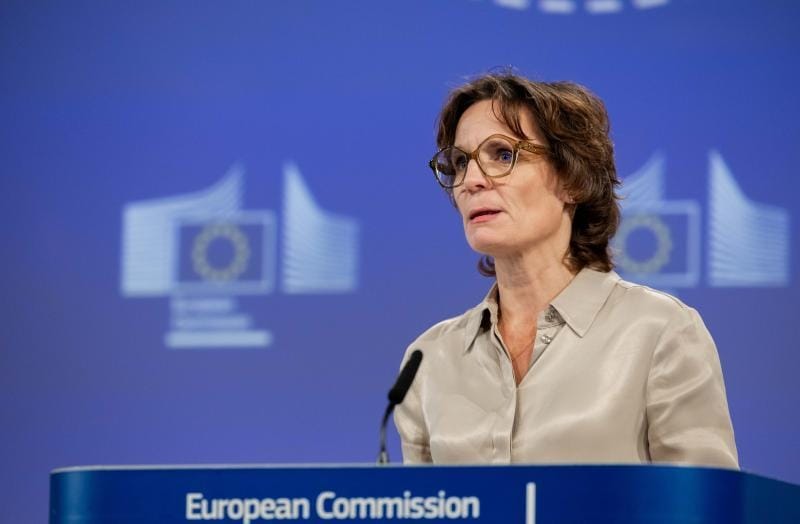
Várhelyi reveals EU cardiovascular health plan will be called the ‘Safe Hearts Plan’
Speaking at the European Alliance for Cardiovascular Health (EACH) Summit, Health Commissioner Olivér Várhelyi announced that the EU Cardiovascular Health Plan will be called the ‘Safe Hearts Plan’.
Várhelyi said the EU is “in the final stage of approvals” for the new cardiovascular strategy, describing it as “a very robust” plan centred on prevention. “Most cardiovascular deaths can and should be prevented,” he stressed.
The plan will “bring much faster and more personal treatment to patients” and make personalized care “mainstream”. Diet, “especially ultra-processed food consumption”, was highlighted as a major risk factor. The Commission, he said, wants “a full debate” on the issue, together with clear guidance and tools to help people to “limit their own personal risks much faster than with any previous EU public health policy.”
 Catherine Feore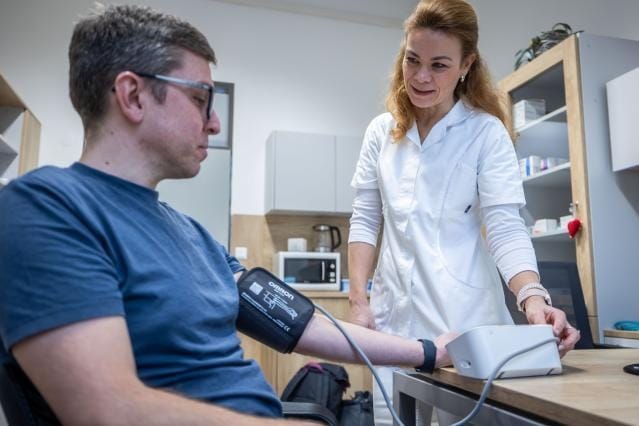
Pharma Package jumbo trilogue continues into the night
As EU co-legislators enter what is expected to be the decisive trilogue on the Pharma Package, negotiators confront an extraordinarily complicated legislative puzzle.
The Council side has made it known that they are willing to show flexibility, but also want flexibility from the Parliament on their most sensitive issues: regulatory incentive periods, the Bolar exemption, and supply-obligation requirements. Yet despite months of technical work, all these issues and many more remain unresolved as institutions head into tonight’s “jumbo” trilogue.
A number of equally consequential matters continue to occupy negotiators’ attention, including the design of incentives to stimulate antimicrobial resistance (AMR) innovation, the definition of high unmet medical need, the timelines governing marketing authorisation applications, and questions surrounding patient representation and voting rights on EMA committees. Also open are discussions on the implementation deadlines for the new legislation and the scope of obligations under shortage-prevention plans.
In short, the task is immense. Nevertheless, the Council and Parliament seem determined to reach an agreement. One diplomat told Vital Signs that there is a view that now is the time to get this done and bring certainty to industry and patients.
We've been told that the Parliament meeting room has been booked to 8:00!