Inside EU Health: Pharma Package; male contraception; medical devices; women’s cancer index
Pharma Package agreed in December sails through committee; giant condom highlights call for more male contraceptive options; Medical Device Regulations: ‘We Heard Your Calls’; Index exposes gap in women’s cancer care across Europe
Pharm Package agreed in December sails through committee
The Parliament’s public health committee voted on the Pharma Package, adopting the regulation by 29 votes in favour, 3 against and 6 abstentions and the directive by 30 votes in favour, 2 against and 6 absentions. The Council is tabled adoption for the the end of September and the Parliament is expected to formally vote on the text at the second plenary in October.
 Catherine Feore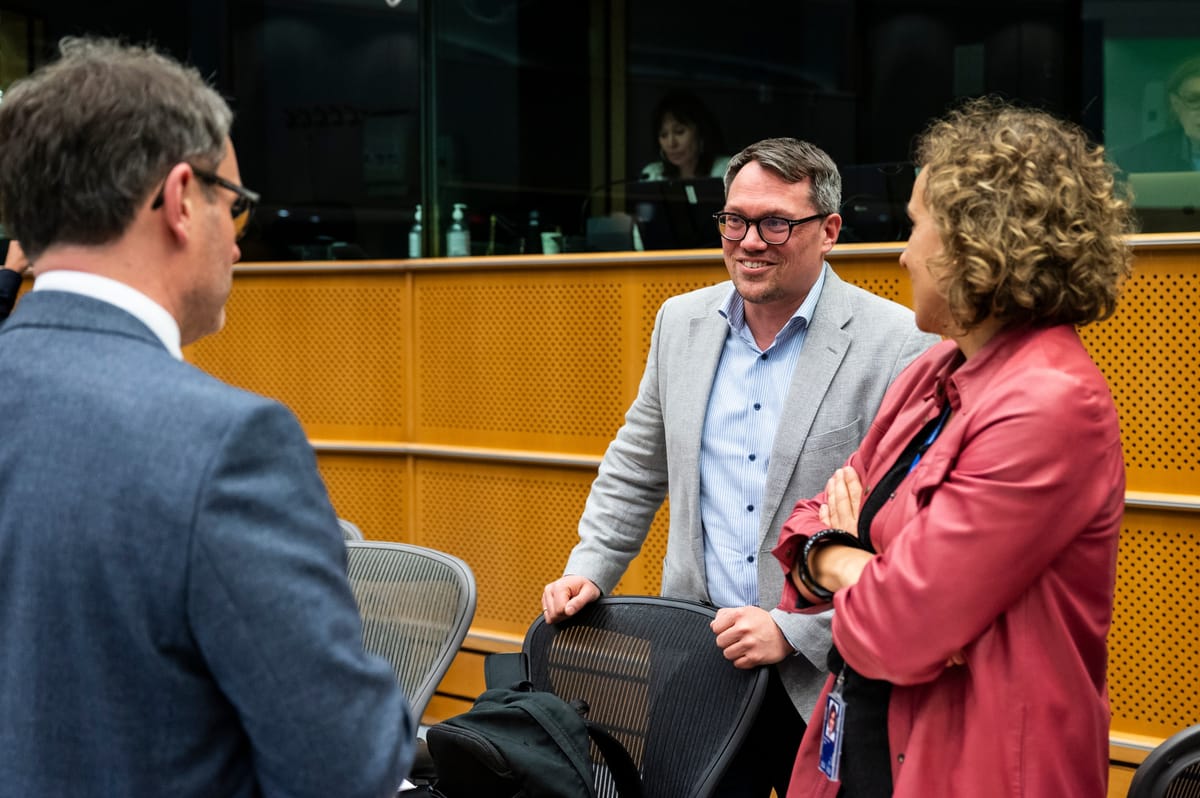
Giant condom highlights call for more male contraceptive options
A giant inflatable condom was erected outside the European Parliament on Tuesday (17 March), as NGO DSW (Deutsche Stiftung Weltbevölkerung) launched a campaign urging greater investment in male contraceptives.
The objective was to highlight the limited options currently available to men. “In 2026, there are still only two methods: condoms and vasectomy,” said Lisa Goerlitz, Head of DSW’s Brussels office.
While new methods are in development, they remain years away from the market due to high research costs. DSW is calling on the EU to help accelerate innovation, the organisation claims that global polling shows that 60% of men would consider using a new contraceptive method.
Goerlitz stressed that expanding male options would not replace female contraception, but support shared responsibility. The campaign also comes amid declining condom use in Europe, raising concerns about rising sexually transmitted infections and growing antimicrobial resistance.
 Catherine Feore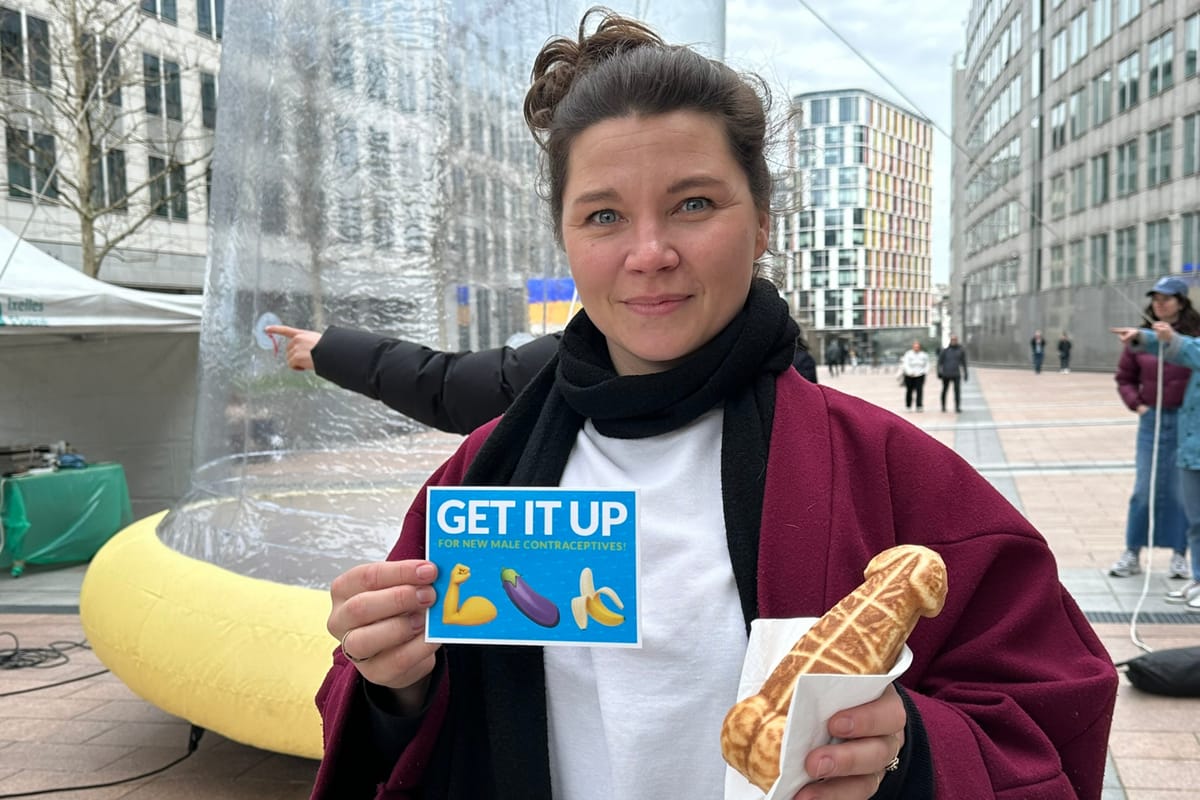
Medical Device Regulations: ‘We Heard Your Calls’
At a conference on medical devices, European Commissioner Olivér Várhelyi highlighted the sector’s vital role in healthcare, innovation, and the economy. He said that it remains one of Europe’s most innovative industries, valued at €170 billion in 2024.
Varhelyi acknowledged that while the 2017 regulations aimed to improve safety, they “missed the right balance”. Implementation has created a “high administrative burden” and slowed innovation.
DG SANTE Director-General Sandra Gallina defended the reform process, stressing it followed “immense consultations”. She underlined that reducing unnecessary reporting is “not… going to impinge on any level of safety,” but instead eases pressure on companies.
Both emphasised urgency, with Gallina urging lawmakers to “move quickly,” so patients can access “safe, effective” medical devices without delay.
 Catherine Feore
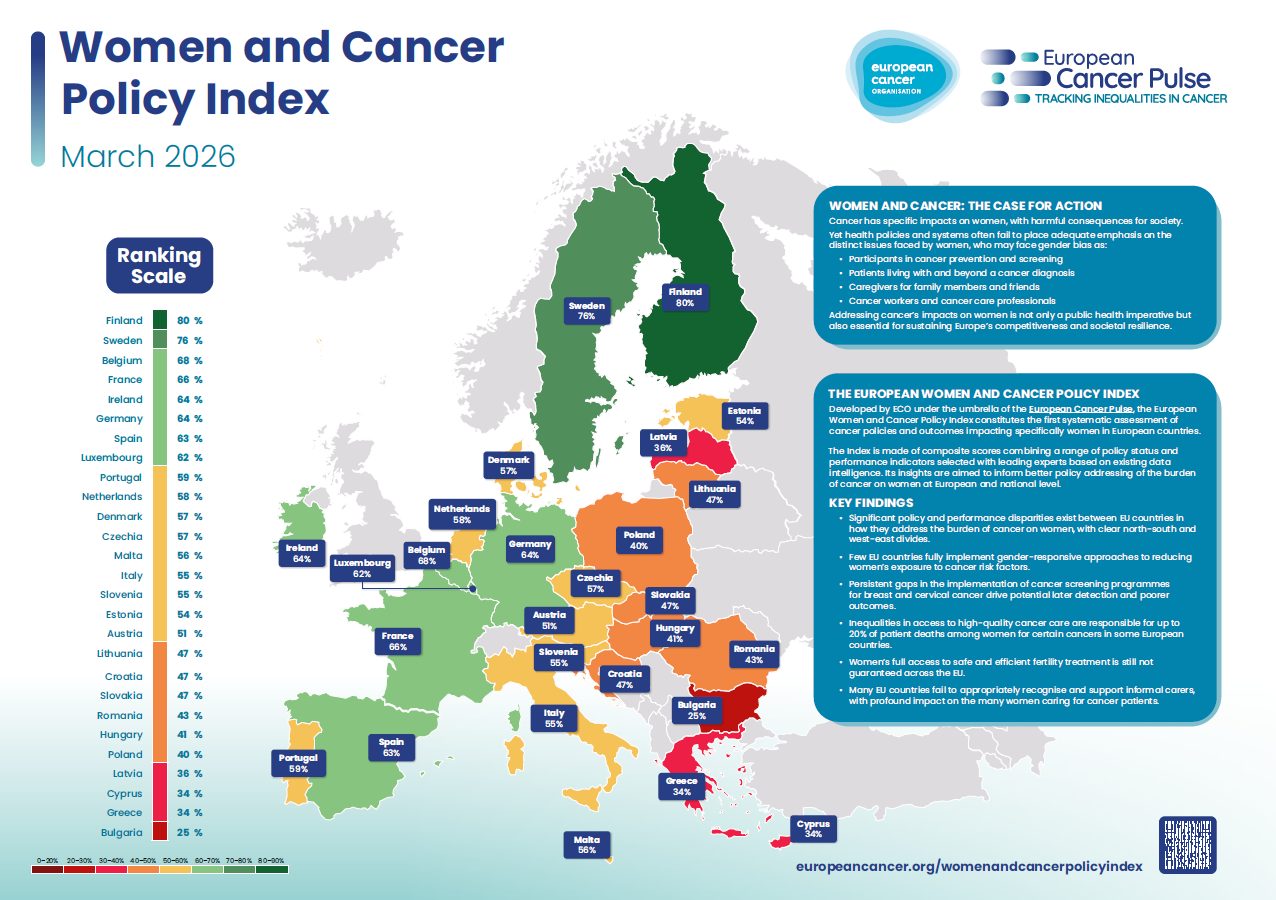
Index exposes gap in women’s cancer care across Europe
The European Cancer Organisation (ECO) launched its first European Women and Cancer Policy Index, in the European Parliament. The index compares national responses to women’s needs. The Index reveals significant disparities and highlights where countries are falling short.
“The Women & Cancer Policy Index gives us the metrics to make invisible gaps visible and to ensure that no woman is left behind,” said Dr Isabel Rubio, President of the European Cancer Organisation and breast surgeon.
The key findings include a failure to recognise how rising use of tobacco and alcohol is fueled by so-called “pink marketing” targeting women. Screening presents a very mixed picture, with breast-cancer screening being implemented widely but with a more mixed picture for cervical cancer. The index also looks at issues such as fertility preservation, which is still treated as a luxury in many countries.