Inside EU Health: MEPs call for ring-fenced health funding; OECD urges better use of resources in cancer care; four in ten cancers worldwide are preventable, says WHO
MEPs call for dedicated cancer funding in EU’s long-term budget; OECD urges faster access and better use of resources in cancer care; four in ten cancers worldwide are preventable, says WHO

MEPs call for dedicated cancer funding in EU’s long-term budget
As negotiations begin on the EU’s 2028–2034 long-term budget (MFF). MEPs signed a declaration to secure the future of Europe’s Beating Cancer Plan.
“There is definitely consensus among MEPs in the cancer and rare diseases intergroup and more broadly in the public health committee,” Intergroup Co-Chair Vlad Voiculescu MEP told Vital Signs. “Anyone who has seriously looked at healthcare knows that every euro invested is a good investment. You can’t talk about strategic autonomy without tackling healthcare, including the production and availability of medicines.”
The European Cancer Organisation (ECO) has outlined three key demands: a dedicated €2 billion European Cancer Fund to prevent cancer from being overshadowed within broader competitiveness spending; the creation of a European Cancer Institute to strengthen coordination and long-term planning; and greater use of national and regional funds to support prevention, screening, workforce development and data systems.
 Catherine Feore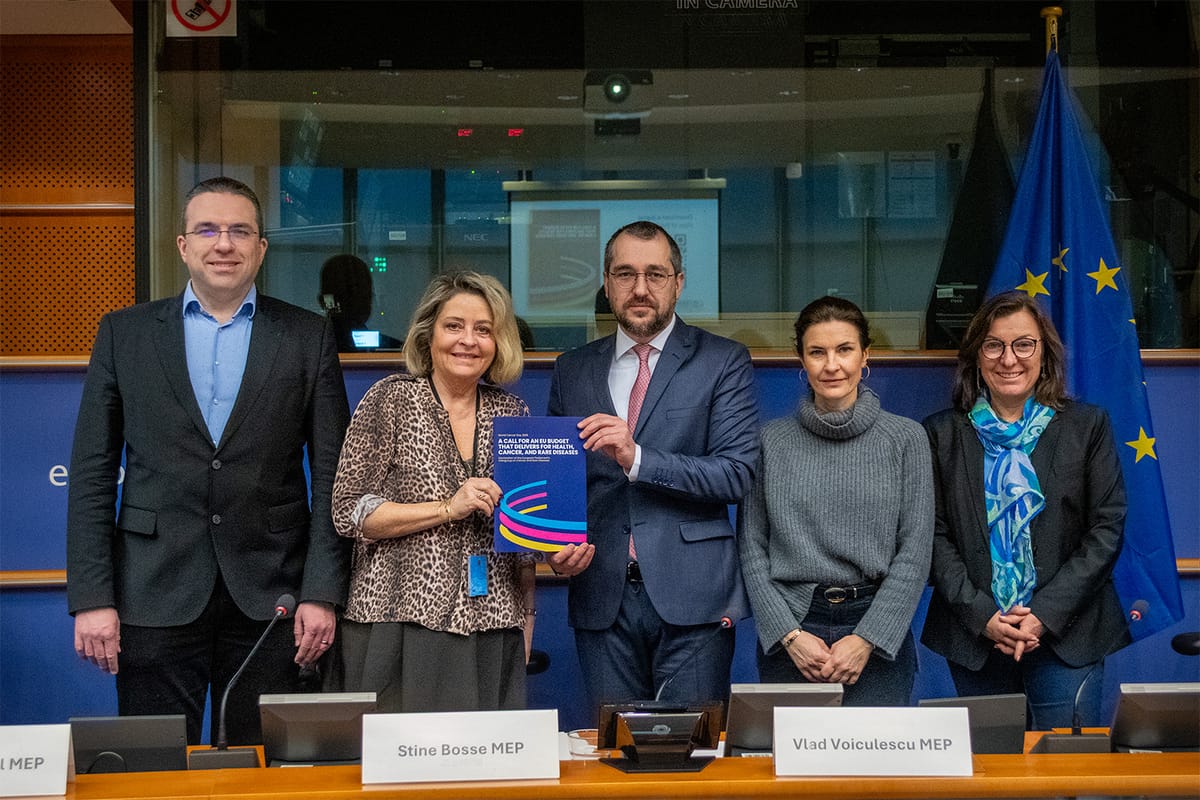
OECD urges faster access and better use of resources in cancer care
The OECD’s ‘Delivering High-Value Cancer Care’ report warns that European health systems must provide cancer care faster, more consistently and with greater focus on patients’ broader needs.
Delays in diagnosis, uneven access to clinical trials and inconsistent adherence to guidelines remain major challenges. The OECD highlights three priorities: timely access, evidence-based and efficient treatment, and people-centred care. It also flags rising cancer incidence among younger women as a growing concern.
 Catherine Feore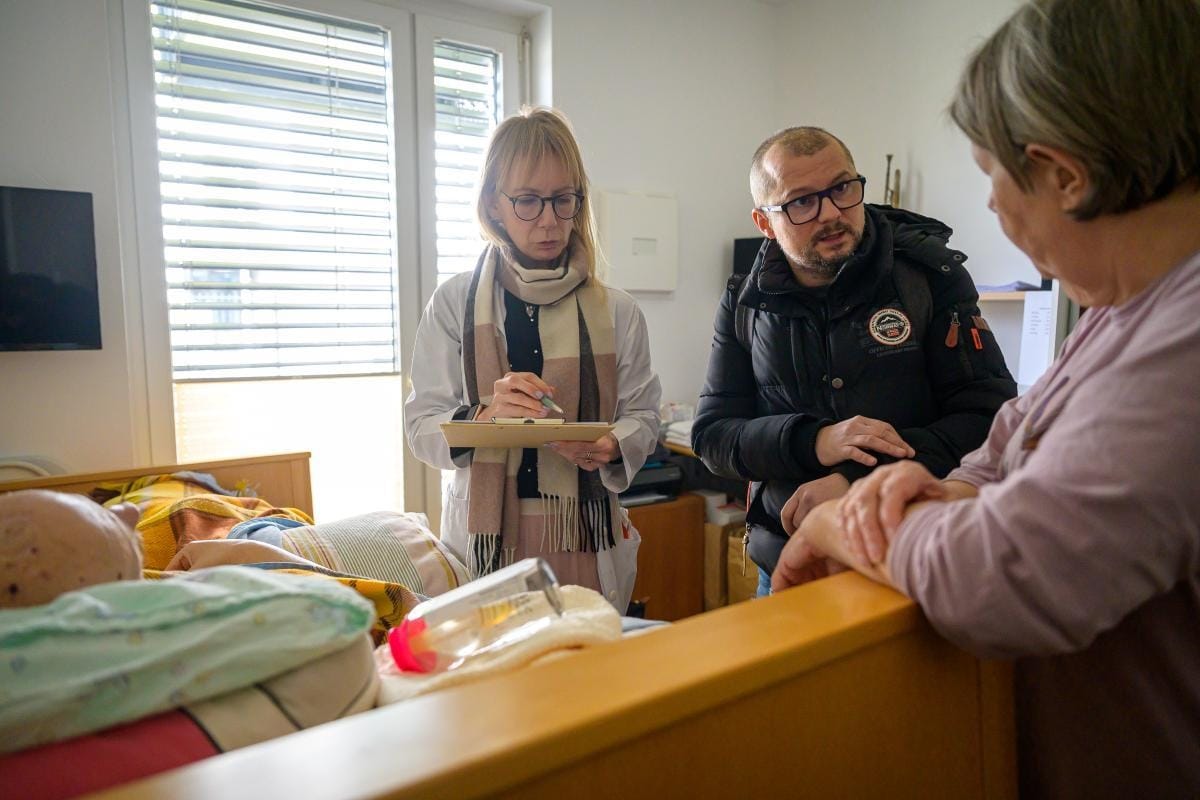
Four in ten cancers worldwide are preventable, says WHO
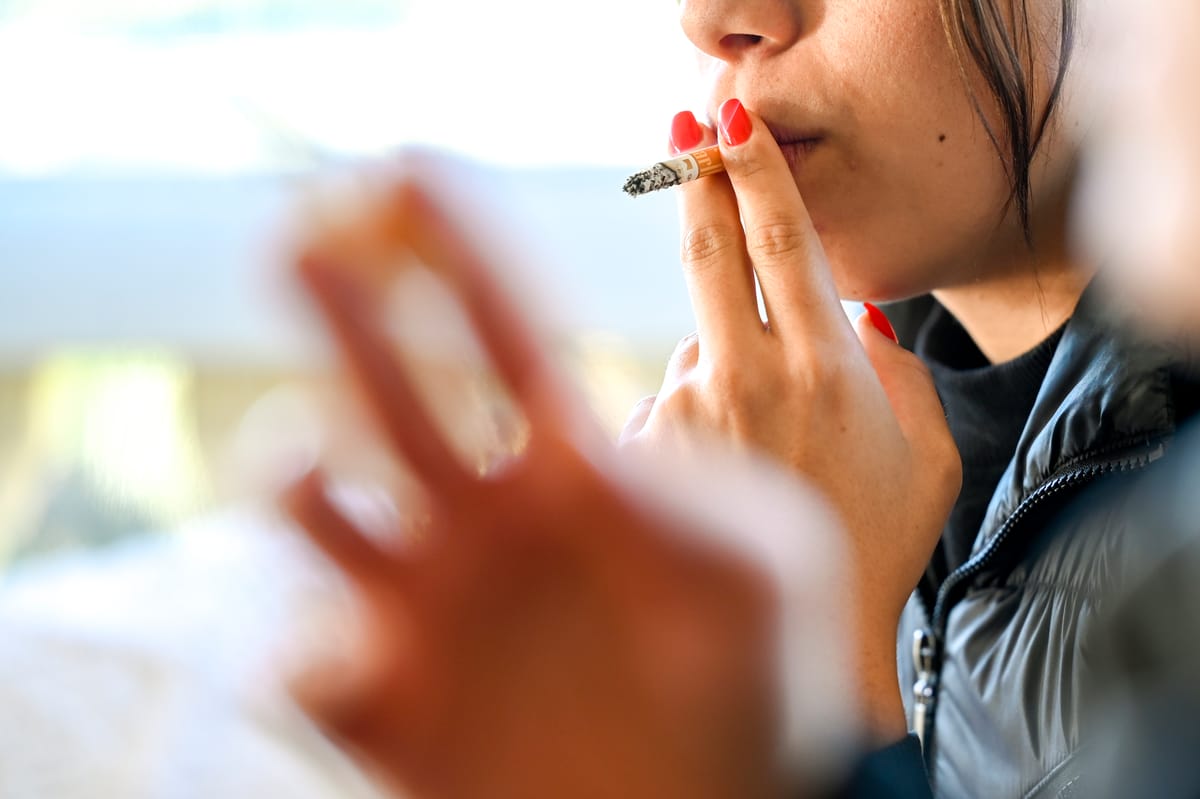
Ahead of World Cancer Day, the World Health Organization released new findings showing that around 40% of cancers worldwide are preventable.
A global analysis estimates that 7.1 million of 18.7 million new cancer cases in 2022 were linked to 30 modifiable risk factors, including: smoking, alcohol use, high body weight, air pollution, and nine infections such as HPV. Smoking alone caused 3.3 million cases.
The study highlights major regional and gender differences, underscoring the need for tailored prevention policies. WHO stressed that prevention should focus on risk reduction, not blame, combining public policy with community action to save lives.
 Catherine Feore