
Inside EU Health: Healthcare's role in tackling violence against women; avian influenza surge raises risk of human exposure; GAVI reaches malaria vaccine deal
WHO says healthcare has important role in tackling violence against women; spread of avian influenza raises risk of human exposure; GAVI/Unicef deal on malaria vaccine
Europe’s health systems are failing the victims of gender-based violence
Violence against women and girls remains one of Europe’s most pervasive yet least confronted public-health emergencies according to WHO/Europe.
Regional Director Dr. Hans Kluge describes it as a “crisis”. Some countries are working to close that gap. Spain’s Health Minister Mónica García highlighted efforts to make primary healthcare a key entry point for identifying and supporting victims.
A new report lays bare just how unprepared health systems are and the changes they need to make to provide the compassionate and comprehensive care survivors need. Many essential services for survivors are missing from national policies: emergency contraception, safe abortion care, HIV post-exposure prophylaxis, mental health support and referral pathways.
Speaking at a debate in the European Parliament to mark International Day for the Elimination of Violence against Women, S&D Group President, Iratxe García, said: “The European Union must act with clarity and courage: recognise femicide; make 'only Yes means Yes' the law; and include rape as an EU crime.”
 Catherine Feore
High levels of avian influenza increase the risk to humans
The European Centre for Disease Prevention and Control (ECDC) has raised concern that the elevated level of avian influenza poses a greater risk of human exposure.
On Monday, the European Food Safety Agency (EFSA) reported that highly pathogenic avian influenza H5N1 viruses have been detected in wild birds across 26 European countries - four times as many as in the same period in 2024.
The ECDC advises that those exposed to infected animals should be monitored for 10 to 14 days after exposure to see if they develop symptoms; they should self-isolate and be tested immediately.
 Catherine Feore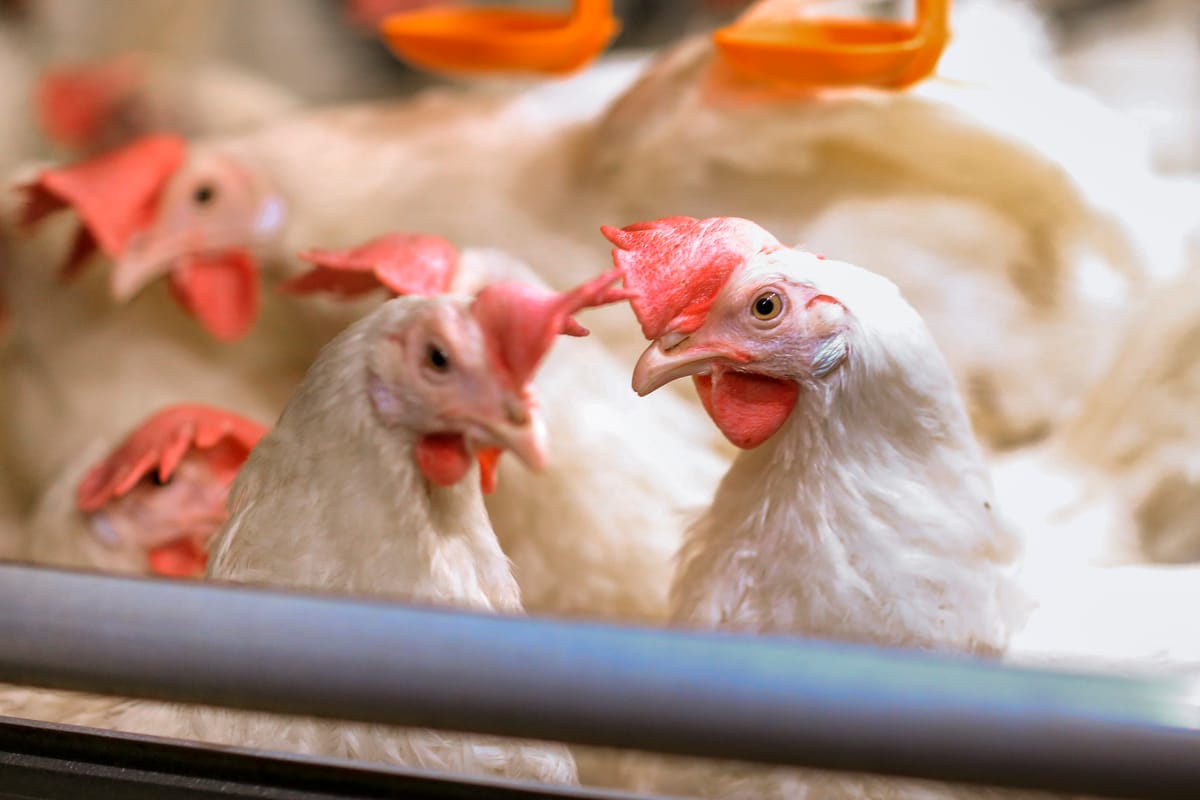
Gavi and UNICEF strike a deal to expand access to malaria vaccines
Gavi, the Vaccine Alliance, and UNICEF have announced a major agreement that will dramatically reduce the cost of the R21/Matrix-M™ malaria vaccine, unlocking the potential to protect up to 7 million additional children.
Under the deal, made possible through Gavi’s advance financing and executed by UNICEF, the price of each vaccine dose will drop to US $2.99 (€2.58)within the next year. The reduced price is expected to generate up to US $90 million in savings, enabling Gavi to secure more than 30 million extra doses for low-income countries.
Gavi’s Chief Vaccine Programmes and Markets Officer, An Vermeersch, called the agreement “a powerful example” of how innovative financing can expand access to life-saving vaccines. “There has been unprecedented demand for this new tool to protect children against one of Africa’s largest killers of children under five,” she said.
The new pricing supports Gavi’s goal to fully vaccinate 50 million more children against malaria by 2030. Read more here.