
Inside EU Health: Gender health inequality; rare diseases; clinical trials in emergencies
Commission gender equality strategy targets women’s health inequalities; rare disease alliance welcomes Parliament proposal for a European Rare Disease Action Framework updated guidance on the conduct of clinical trials during public health emergencies opens for consultation
Commission gender equality strategy targets women’s health inequalities
The European Commission has launched its 2026–2030 Gender Equality Strategy with a strong emphasis on closing women’s health gaps across Europe. Equality Commissioner Hadja Lahbib said the goal is to “improve the quality of women’s health care”.
A 2026 study with the World Health Organisation will examine healthcare quality, access, and inequalities, including for women with disabilities. Findings will guide EU-funded research and health policy. A 2028 study will measure the economic and social costs of unmet needs, including those related to menopause care.
Working with the European Medicines Agency, the Commission will explore “gender-sensitive checks” in medicine development throughout the lifecycle and expand clinical trial inclusion.
The strategy also tackles reproductive health inequalities and aims to implement the initiative ‘My Voice, My Choice’, enabling EU funds to support cross-border abortion access, through implementation in 2026-2027.
"While others turn back the clock on gender equality, the European Union is moving forward. We will protect hard-won rights and reignite stalled progress," said Lahbib.
 Catherine Feore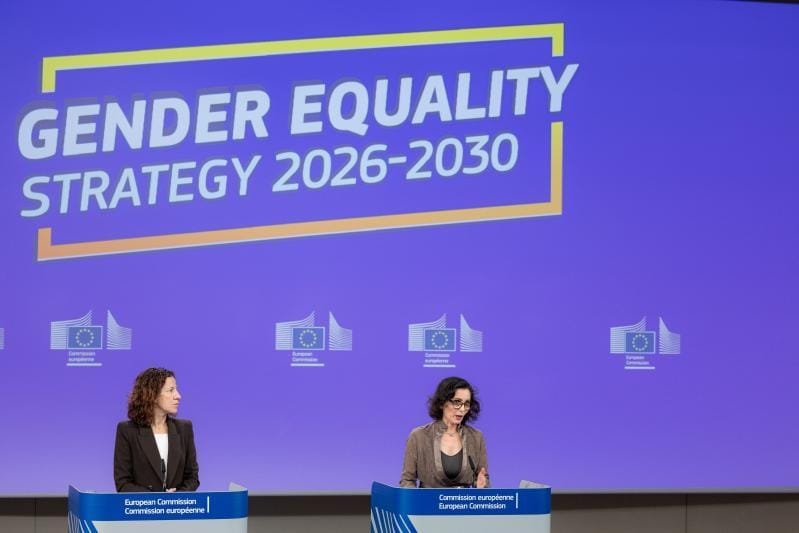
Rare disease alliance welcomes Parliament proposal for a European Rare Disease Action Framework
Rare Diseases Europe (EURORDIS) has welcomed the draft report by MEP Nicolás González Casares (S&D, Spain) calling for a comprehensive European Action Plan on Rare Diseases.
The report urges the European Commission to establish legislation to create a coordinated EU framework spanning diagnosis, research, access to treatment, data systems, and social support.
“Rare diseases affect up to 36 million Europeans, yet 95% still lack approved treatments. Fragmentation in diagnosis, research, and access creates unacceptable inequalities across Member States,” said Casares.
“My own initiative report proposes a binding EU framework to reduce diagnostic delays, ensure equitable access to therapies, strengthen research coordination, and integrate rare disease data into the European Health Data Space.
Valentina Bottarelli, Head of Policy & Public Affairs at EURORDIS, praised the move: “We are very happy with this draft report, which reflects a growing recognition in Europe that rare diseases cannot be addressed through fragmented national policies alone. [...] a coordinated European approach is needed.”
Updated EMA guidance on the conduct of clinical trials during public health emergencies is open for consultation
As the COVID pandemic showed, generating strong, reliable evidence quickly during public health emergencies is critical for guiding effective health measures and regulatory decisions.
New EU guidance - open for consultation - aims to ensure clinical trials continue effectively during public health emergencies. One of the key lessons learnt from the COVID-19 pandemic is that small, isolated clinical trials or compassionate use programmes in individual member states may not generate sufficiently robust evidence to support clear medical and public health recommendations.
The draft outlines how trial sponsors and researchers should design, authorise, and adapt studies in the event of crises, setting out regulatory flexibilities and faster pathways. It is the first framework aligned with current EU legislation and post-COVID guidelines from the International Council for Harmonisation of Technical Requirements for Registration of Pharmaceuticals for Human Use (ICH).
Trial sponsors are urged to seek scientific advice from the European Medicines Agency’s Emergency Task Force early in the process to ensure that meaningful data can be submitted for regulatory assessment. The draft also covers participant transfers, flexible procedures, and safeguarding rights while maintaining robust, reliable evidence during any future emergency responses. Deadline: 30 April.