
Inside EU Health: EFPIA compares 10 biopharma strategies; EU cancer strategy scrutinised; agencies reassure on infant formula
EFPIA publishes a comparative analysis of the strategies of 10 countries; ECA casts doubt on EU cancer strategy’s targets and funding; agencies says infant formula is a low risk following recall
EFPIA publishes a comparative analysis of the strategies of 10 countries
EFPIA (European Federation of Pharmaceutical Industries and Associations) has published a comparative analysis of biopharmaceutical strategies in 10 countries. The report recognises that it is difficult to make direct comparisons between the countries, it nevertheless attempts to draw some lessons from each.
The report looks at each through a ‘six-pillar framework’, comparing them on: R&D intensity; public-private collaboration; clinical trials uptake; regulatory framework efficiency and agility; VC and financing dynamics; and the conversion rate of science into investible companies.
There are three main recommendations for the EU: Treat single-market completion as a top priority; excel at cutting-edge science; and finance at scale, with the aim of unlocking late-stage capital and anchoring it in Europe.
Audit exposes weak targets and funding doubts in EU cancer strategy
European Court of Auditors has warned that Europe’s Beating Cancer Plan is “fraught with uncertainty”, citing weak targets, limited monitoring and unclear long-term funding. Launched in 2021 with a €4 billion budget, the plan aims to address cancer across the full care pathway, from prevention and early detection to treatment and survivorship.
Auditor Klaus-Heiner Lehne said “many objectives lack measurable targets” and noted the absence of a system to assess long-term impact. The report also raised concerns about overlapping initiatives and financing, warning that funding arrangements beyond 2027 remain unclear.
Despite criticism, auditors found the plan helped drive national action, with several countries adopting or updating cancer strategies. However, the ECA report notably makes no reference to Covid-19’s disruption to cancer care - a surprising omission.
 Catherine Feore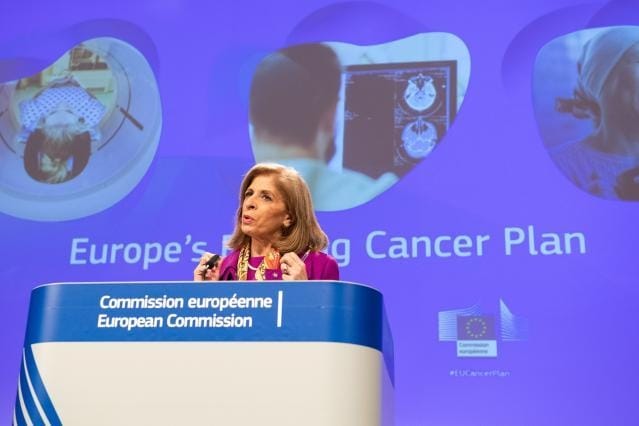
EU agencies consider risk of exposure low, as recall of infant formula continues
EU health agencies ECDC and EFSA say the risk of exposure to contaminated infant formula remains low, with most affected infants experiencing mild symptoms, as recalls continue across Europe.
The multi-country recall began in mid-December after cereulide, a toxin produced by Bacillus cereus, was detected in several formula batches. Seven countries are investigating gastrointestinal illness in infants linked to consumption.
Laboratory confirmation remains limited because most clinical laboratories lack testing methods for the toxin. Belgium confirmed cereulide in eight cases, while other countries rely mainly on symptom reports and consumption history.
Spain and the UK reported the highest numbers of symptomatic infants. Authorities warn additional cases may emerge if recalled products remain in households.
 Catherine Feore