Inside EU Health: Council position on Critical Medicines Act; UK-US deal will removes tariffs; will the GLP-1 manufacturers step up to WHO challenge
Council reaches position on Critical Medicines Act; UK-US deal will increase the cost of drugs but removes tariffs; will the GLP-1 manufacturers step up to WHO challenge
Council reaches deal on Critical Medicines Act
This afternoon, the Council agreed its “general approach” to the Critical Medicines Act (CMA), which aims to tackle shortages and improve the security of supply by re-shoring or friend-shoring the production of critical medicines within the EU.
Danish Health Minister and Minister for the Interior, Sophie Løhde, described the agreement as “an important step” towards ensuring that European patients have access to the medicines they need: “The Critical Medicines Act will strengthen the availability of vital medicines, reduce shortages, and build a more resilient supply chain for critical health products across Europe.”
But not all those who spoke at the meeting seemed convinced.
 Catherine Feore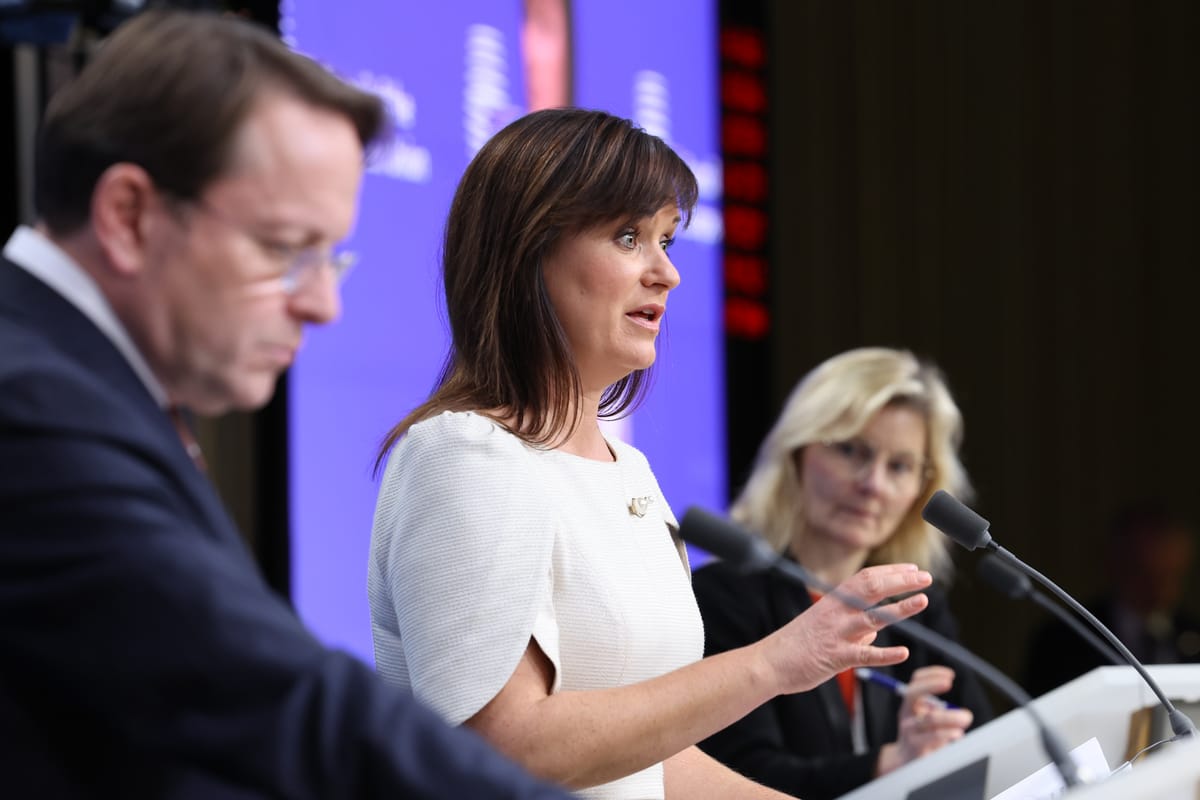
EFPIA give qualified approval of the general approach
EFPIA, the European Federation of Pharmaceutical Industries and Associations, highlights four misgivings. They want a more precise - and therefore limited - understanding of medicinal products of common interest (MPCI), which stretches the Act’s remit. They want a circumscribed role for collaborative procurement, saying that it should avoid lifting price confidentiality, or duplicating national processes, among other things.
On the use of “European preference”, they again call for a limited approach and emphasise that it should be targeted at those medicines with demonstrated vulnerabilities.
When it comes to stockpiles, EFPIA says: “We no not believe that the Council’s position goes far enough” in addressing what they describe as a “growing trend of unco-ordinated national contingency stock obligations.”
Ultimately, EFPIA’s message is clear: approve the Act if you must, but keep it narrow.
UK-US deal will increase the cost of drugs but removes tariffs
On Monday (1 December), the UK and US reached a deal on pharmaceuticals. The UK is making much of how it has secured a 0% tariff on exporting pharmaceuticals to the US and secured investment from major firms, including Britsol Myers Squibb, Moderna and BioNTech.
The 0% tariff rate will apply for at least 3 years, and the UK’s Trade Minister Peter Kyle estimates it's worth £5 billion a year. However, the UK has also had to agree to invest 25% more in innovative treatments.
The government has linked the deal to its Life Sciences Sector Plan, but it comes after three months of dispute between the Association of the British Pharmaceutical Industry (ABPI) and the Health Minister Wes Streeting over the UK’s clawback scheme.
AstraZeneca, Sanofi and Lilly all halted investment decisions in the UK after they failed to reach agreement on the rebate scheme known as VPAG (Voluntary Scheme for Branded Medicines Pricing, Access, and Growth) back in August.
ABPI, Chief Executive Richard Torbett said: “These commitments begin to address industry concerns on NHS access to medicines, and the UK’s record-high and unpredictable payment rate.”
Will the GLP-1 manufacturers step up
On Monday (1 December), the World Health Organization (WHO) issued its first guideline on the use of Glucagon-Like Peptide-1 (GLP-1) therapies for treating obesity, linking it to more than 3.7 million deaths worldwide in 2024 alone. WHO sees the medication as part of a wider approach that includes a healthy diet, exercise and support from healthcare professionals.
However, for low and middle-income countries that increasingly have problems of obesity, through malnutrition, the problem of affordability is even more pronounced than in the US and Europe. We asked the market leaders, Eli Lilly and Novo Nordisk, what they were doing to help their drugs reach low - and middle-income countries.
Lilly said that it was pleased to see the WHO's recognition of obesity as a chronic disease and the role of GLP-1 as an important tool in treatment. We were told that the company is committed to expanding access to reach and help address challenges to healthcare access that disproportionately affect people living in low- to middle-income countries. While not explicitly mentioning tirzepatide, Lilly told Vital Signs that it established ‘Lilly 30X30’ to expand access to quality healthcare for 30 million people living in resource-limited settings annually, by 2030.
Novo said it also welcomed the release of the WHO guidelines, “as they signify a crucial step forward in recognising obesity as a serious chronic disease that requires the same level of attention and care as other chronic health conditions”. However, they didn’t give any indication that they had made any plans to improve access in lower-income settings.
The WHO is calling for immediate action to expand manufacturing capacity, reduce costs, and strengthen health-system readiness. Despite rapid growth in production, current projections suggest that by 2030, fewer than 10% of people who could benefit from GLP-1 therapies will have access to them.
To close this gap, the guideline urges the global community to explore strategies such as pooled procurement, tiered pricing, and voluntary licensing.