
Inside EU Health: Biotech Act; targeted fix of medical devices; ‘Safe Hearts Plan’ arrives
🎄Happy Christmas! The Health Package has arrived: Biotech Act, Targeted fix of medical device and; ‘Safe Hearts Plan’
Europe pushes to regain ground on competitors with new Biotech Act
With the publication of the Biotech Act, the EU sets out how it intends to boost the sector’s competitive position in the face of China’s rapid rise.
The EU’s Biotech Act Regulation outlines a comprehensive effort to strengthen Europe’s biotechnology ecosystem, linking investment and regulatory reform. Its objective is to ensure that biotech innovation is not only generated in Europe, but also developed and manufactured within the EU.
The proposal follows growing concern that Europe’s scientific excellence is no longer translating into global leadership.
While initial reactions are cautiously positive, questions remain about the Act’s coherence with other proposals and whether it has enough power to close Europe’s investment gap.
 Catherine Feore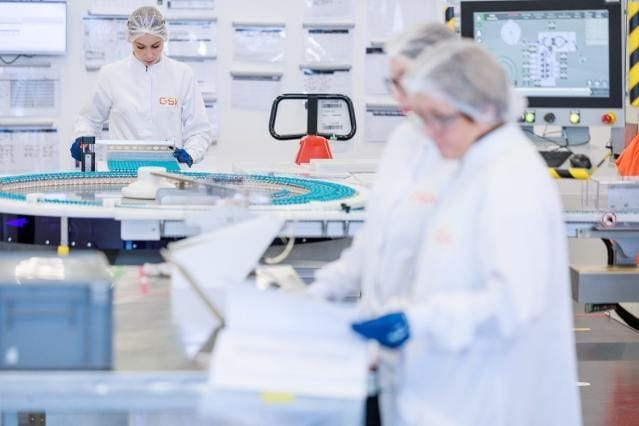
EU offers fix for failing medical and in vitro device rules
The European Commission has unveiled a targeted overhaul of the EU Medical Devices Regulation (MDR) and In Vitro Diagnostic Regulation (IVDR), aiming to cut red tape while maintaing patient safety.
The Commission estimates the changes could save industry €3.3 billion a year, largely by reducing administrative costs. The move responds to widespread criticism that rules introduced in 2017 after safety scandals are overly complex, costly and contributed to device shortages
Executive Vice-President Valdis Dombrovskis said clearer, more digital procedures would accelerate access to innovation and boost Europe’s competitiveness. Health Commissioner Olivér Várhelyi stressed that medical devices are an essential part of new therapies.
 Catherine Feore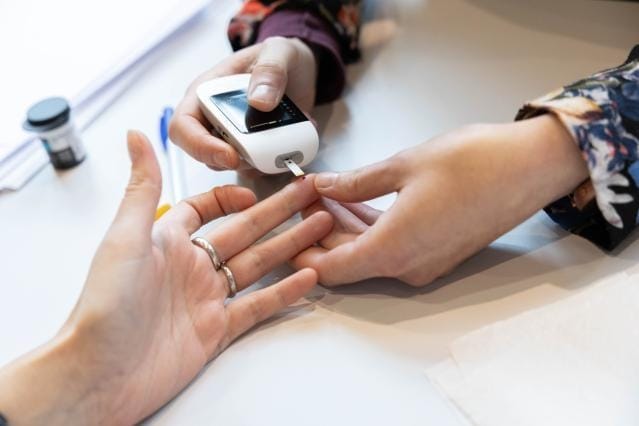
‘Safe Hearts Plan’ sets out an EU response, but critics see gaps
Critics warn that the EU’s first comprehensive cardiovascular strategy, falls short on addressing the scale of the challenge.
The plan prioritises prevention, early detection and treatment, targeting risk factors such as tobacco use, unhealthy diets, alcohol consumption and ultra-processed foods. It promotes EU-wide cardiovascular health checks, digital tools and research, and aims for all member states to adopt national cardiovascular plans by 2027, a move welcomed by cardiologists.
However, public health groups argue the strategy lacks teeth. They criticise the removal of proposed taxes on ultra-processed foods from earlier drafts and weak language on alcohol. They argue that without stronger measures - especially for younger generations - avoidable deaths and costs will persist.
 Catherine Feore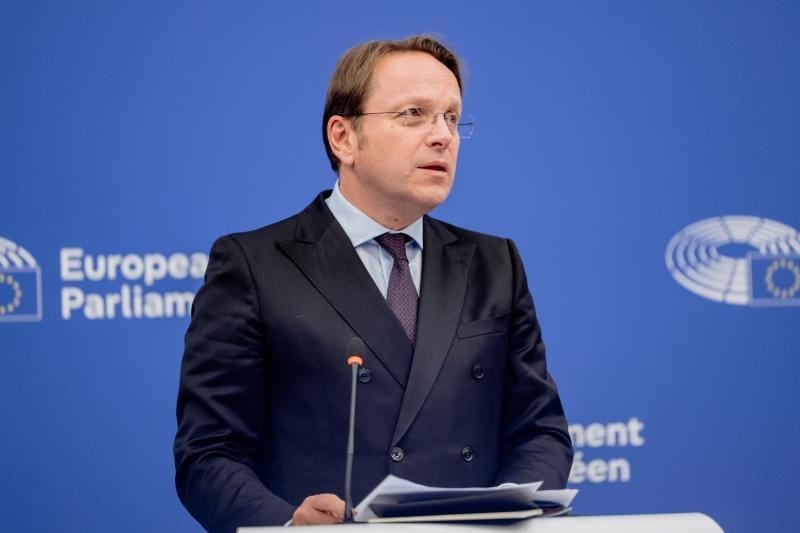
Vital Signs’ ‘Inside EU Health’ newsletter is signing off for now. We will be back in the new year from Monday 19 January. We wish all our readers a very Merry Christmas 🎄
There will be occasional articles over the holiday period: www.vitalsigns.news