
Inside EU Health: Biotech Act; EU budget; patient organisations
ENVI committee raises doubts over Biotech Act SPC extension; 490 health experts urge EU to ring-rence €10 billion for health in EU budget; barometer on the involvement of patient organisations
ENVI committee raises doubts over Biotech Act SPC extension
The European Parliament's Environment Committee (ENVI) has become the first parliamentary committee to weigh in on the Biotech Act, signalling potential opposition within the Socialists and Democrats (S&D) group to the Commission's proposed 12-month extension of Supplementary Protection Certificates (SPCs).
In his report, rapporteur Nicolás Casares (S&D, Spain) argues that the proposed extension "lacks a proper econometric impact assessment" and says there is insufficient evidence that additional exclusivity would address market failures.
The report instead favours targeted support measures such as research grants, public-private partnerships, advance purchase commitments and strategic procurement to promote innovation.
Biotech industry representatives reacted with concern. EuropaBio Director General Dr Claire Skentelbery said removing Article 27 would be "really concerning for Europe's health biotech sector" and warned it could "actively discourage investment".
She stressed that the measure was narrowly targeted at frontier biotechnology breakthroughs and cautioned that its removal risks undermining innovation, particularly among smaller biotech companies developing next-generation medicines.
 Catherine Feore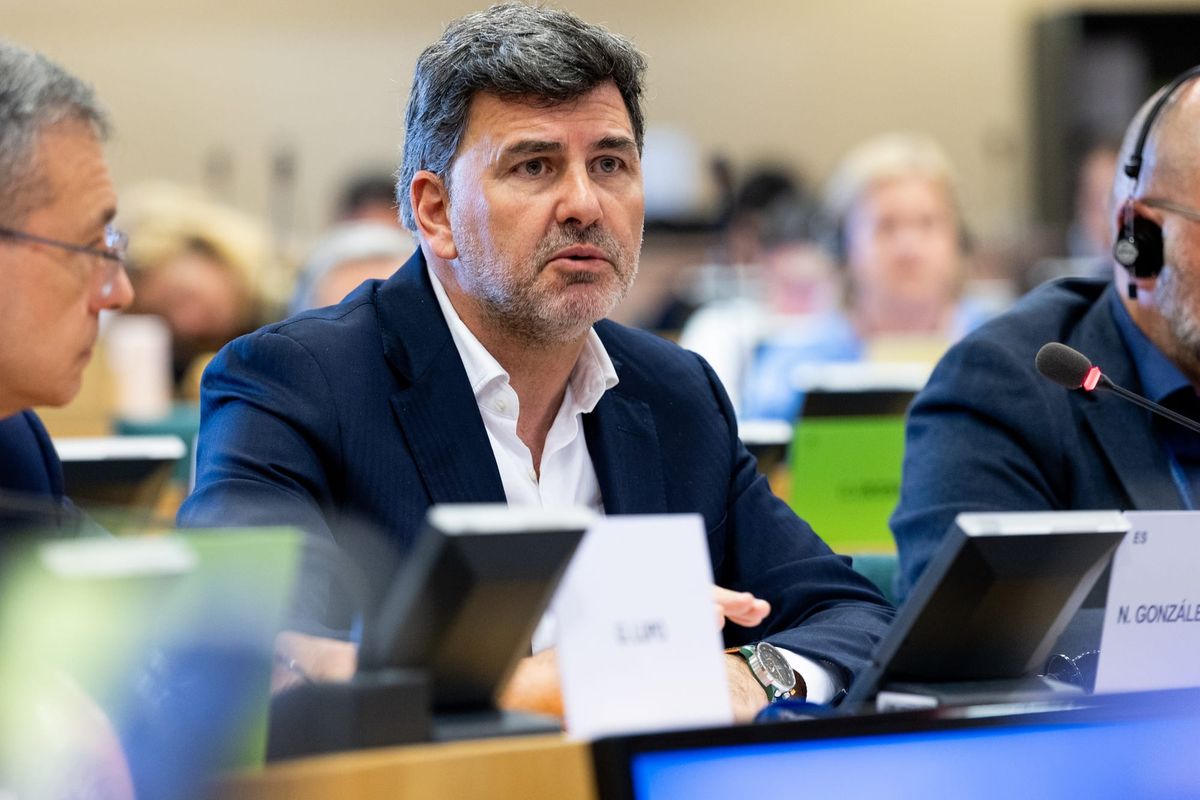
490 health experts urge EU to ring-rence €10 billion for health in EU budget
More than 490 healthcare experts, researchers, academics and patient advocates have called on EU leaders to allocate €10 billion to health in the European Union’s next long-term budget, warning that healthcare risks being sidelined in upcoming spending plans.
In a joint letter to European Commission President Ursula von der Leyen, European Council President António Costa, and member state governments, the coalition expressed concern that the proposed Multiannual Financial Framework (MFF) for 2028-2034 contains no dedicated funding for health.
The signatories argue that a standalone, ring-fenced budget is essential to deliver on the EU’s ambition of building a European Health Union. They point to the European Parliament’s support for a €10.05 billion health allocation as evidence of strong political backing.
“Health is not a cost to be managed, but an investment in Europe’s resilience, productivity, and social cohesion,” said Konstantinos Makrilakis, President of the Hellenic Diabetes Association.
The appeal comes as negotiations on the EU’s next budget intensify.
 Catherine Feore
Barometer on the involvement of patient organisations
This morning (4 June) the European Patients’ Forum (EPF) launched its first-ever ‘EPF Barometer on the Involvement of Patient Organisations in Health Policy at National Level’.
“Patient involvement cannot remain a symbolic exercise or a late-stage consultation,” said Marco Greco, EPF President. “Patient organisations must be recognised as strategic public health partners and be embedded structurally in policymaking processes from the earliest stages.”
The Barometer provides a comparative overview of patient involvement in healthcare decision-making across Europe. While progress has been made in some countries, the report highlights significant gaps in participation, transparency and institutional recognition.
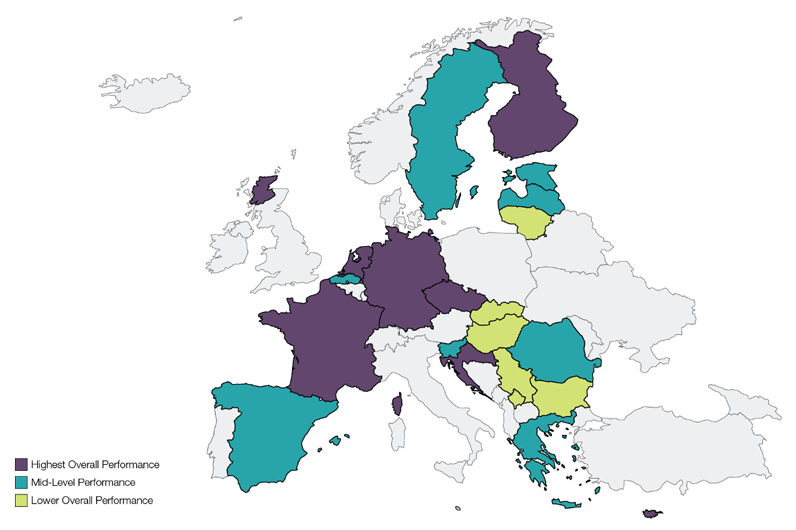
Rather than being a "nice-to-have", EPF argues that patient organisations can help governments design better policies, communicate more effectively with citizens and deliver stronger health outcomes.