
Inside EU Health: Anti-dumping; Ebola; hantavirus; EMA recommendations
Sandoz says situation has reached ‘breaking point’; WHO risk assessment raises DRC to ‘very high’; further hantavirus positive test in Spain; EMA recommends eight new medicines for approval
Sandoz says situation has reached ‘breaking point’
Sandoz has warned that cheap Chinese imports of the active pharmaceutical ingredients used to make amoxicillin are pushing Europe’s last major antibiotics manufacturing chain to “breaking point”.
The company, which operates its key plant in Kundl, Austria, has filed a draft anti-dumping complaint with the European Commission, arguing that “below-cost pricing” and market distortions threaten the future of EU-based production.
The company also framed the issue as one of health security, warning that safeguarding antibiotics production is “a matter of strategic resilience”.
The case reflects growing concern in Brussels over Europe’s dependence on pharmaceutical supply chains from China and India. The Commission declined to confirm whether it had received the complaint, but said in general terms that any investigation must normally be initiated within 45 days of lodging.
 Catherine Feore
WHO risk assessment raises DRC to ‘very high’
On Friday (26 May), we reported that WHO had raised its risk assessment level to ‘very high’ for the Democratic Republic of Congo. Over the last few days, more information has emerged, indicating that this outbreak is the second-largest since the 2014 outbreak in West Africa.
Africa CDC Director General Dr Jean Kaseya welcomed that $500 million had been committed or pledged by governments and multilateral agencies, saying it was an important demonstration of global solidarity. 10% of the funding comes from African countries. South African President Cyril Ramaphosa said Africa is no longer waiting passively for others to act.
Today, the Gates Foundation increased their commitment to $15 million to be divided equally between WHO AFRO, WHO HQ and Africa CDC.
The EU Health Security Committee held an ad hoc meeting on Sunday, 24 May to discuss the situation. The European Centre for Disease Prevention and Control (ECDC) assessed the risk of sustained chains of transmission within the EU/EEA as very low, since “cases are likely to be promptly identified and isolated”.
The ECDC said the European Reference Laboratory on Emerging, Rodent-borne and Zoonotic Viral Pathogens (EURL-PH-ERZV) has issued recommendations to European countries on Bundibugyo virus diagnosis, biosafety, and available diagnostic methods. The lab is also providing diagnostic support, testing protocols, and bio risk management advice, and has launched a survey of national reference laboratories to assess diagnostic capacity and support needs.
Catherine Feore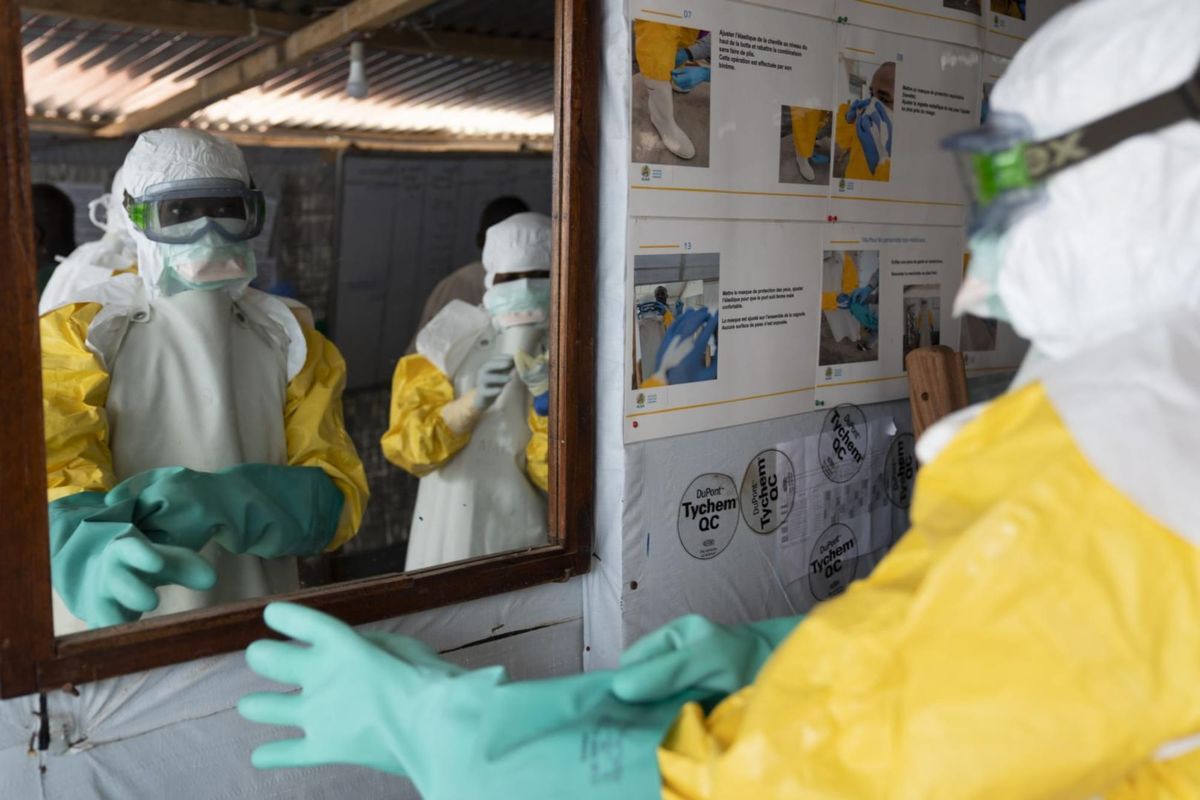
Further hantavirus positive test in Spain
On Friday, a further hantavirus infection was confirmed in one of the crew members currently under quarantine in the Netherlands. On Monday, the Spanish Ministry of Health confirmed that an individual had tested positive via PCR. Again, the person was in preventive quarantine and posed no threat of onward transmission.
In France, some of those quarantined unsuccessfully challenged their confinement in the courts, but the government's position was upheld. French Prime Minister Sébastien Lecornu pointed to the recent cases in Spain and the Netherlands, to justify its own precautionary approach of “about twenty people” being quarantined for the greater good.
Catherine Feore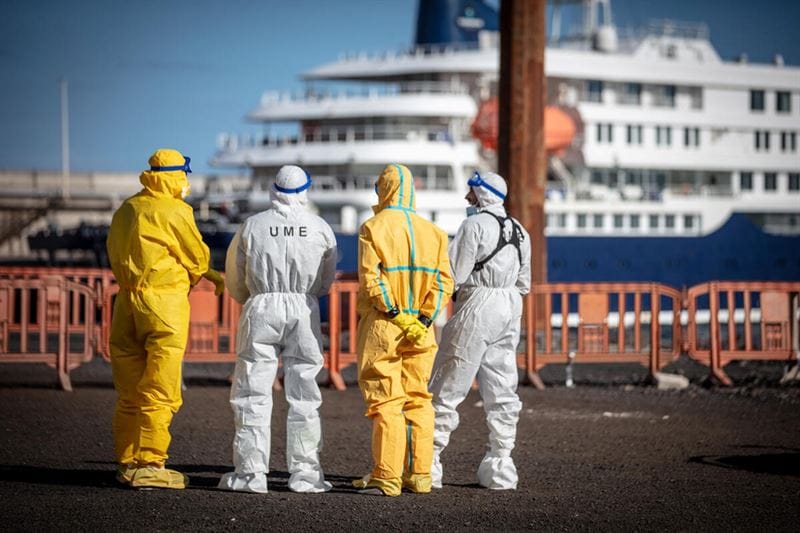
EMA recommends eight new medicines for approval
The European Medicines Agency’s Committee for Medicinal Products for Human recommends eight new medicines for approval, alongside 13 extensions of indication for existing medicines.
Catherine Feore
The recommendations included extending the marketing authorisation for Wegovy to include a once-daily pill.
Novo Nordisk CEO, Mike Doustdar. “The demand for effective and convenient obesity treatment is already evident in the US. We look forward to bringing this innovative medicine to the first markets outside the US in the second half of 2026.”
Catherine Feore