Inside EU Health: A strategy for women’s health; Winter Olympics 2026; EIB support for health
Fifty groups present demand for a new approach to women’s health; ECDC offers health tips to those attending the Winter Olympics 2026; EIB activity report says 18.4 million benefited from improved health services
Fifty groups present demand for a new approach to women’s health
Despite advances in gender equality, women in the EU live longer but spend around 25% more of their lives in poor health than men. A new report presented to the European Parliament links this gap to policy failures, not biology.
Developed by the European Institute of Women’s Health, the report argues women’s health has been narrowly framed around reproduction. It calls for a life-course approach addressing mental and physical health from adolescence to older age, including under-prioritised conditions like cardiovascular disease and dementia.
The report criticises gender-neutral but gender-blind policies and highlights major data gaps. Limited sex-specific research, unequal funding, poverty, care burdens and discrimination all shape women’s health, undermining equality and participation across European society.
 Catherine Feore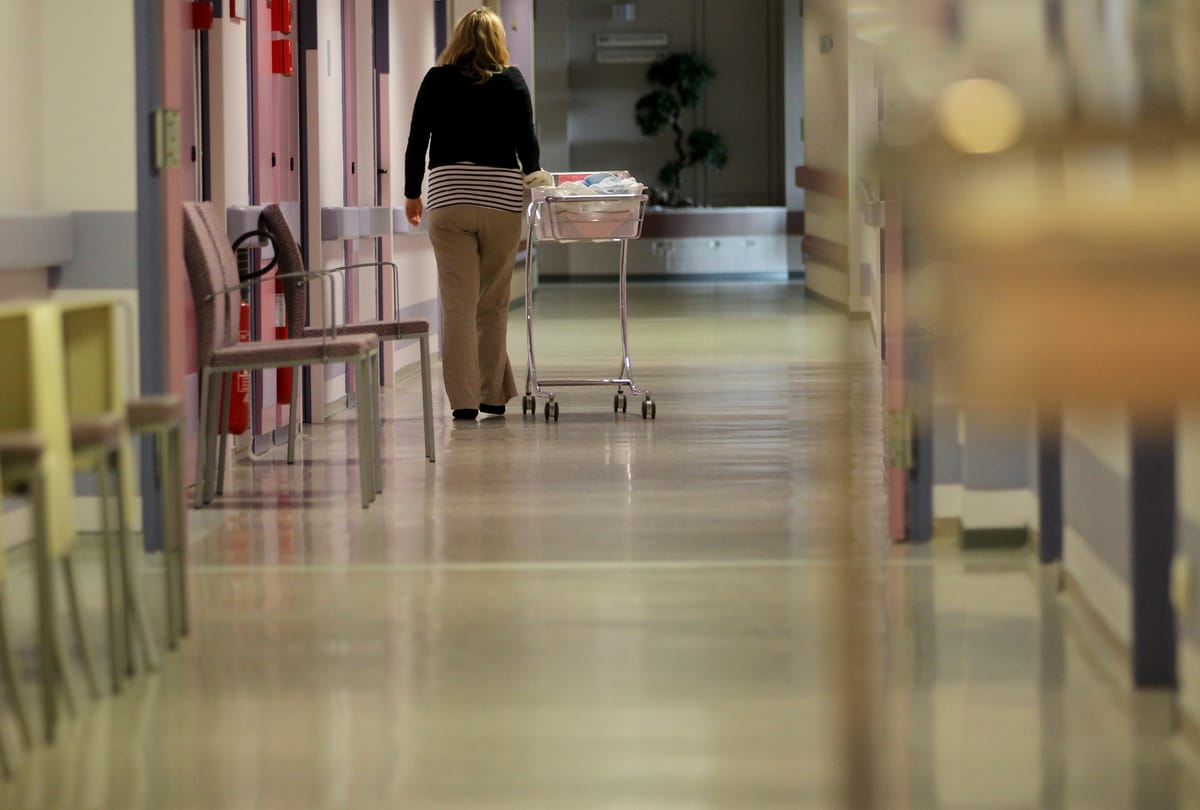
ECDC offers health tips to those attending the Winter Olympics 2026
As visitors from around the world gather in Italy for the 2026 Winter Olympics and Paralympics, the ECDC is reminding travellers to take a few simple steps to stay healthy. Checking that routine vaccinations are up to date, particularly the measles-mumps-rubella (MMR) vaccine, as measles is currently circulating in Europe, including Italy. Seasonal vaccines for influenza, COVID-19 and RSV are also recommended ahead of winter travel.
The ECDC also encourages basic hygiene measures during the Games, such as frequent handwashing and wearing masks in crowded indoor spaces if unwell. EU citizens are reminded that they can access state healthcare in Italy using the European Health Insurance Card.
EIB activity report says 18.4 million benefited from improved health services
According to the EIB Activity Report for 2025, 18.4 million people gained access to improved health services as a result of EIB loans, while 1.6 million patients directly benefited from better healthcare. Around 10% of the Bank’s total financing was directed to operations outside the European Union, including partnerships with the World Health Organization, the Vaccine Alliance, and other United Nations agencies.
The EIB group also supported innovation in health. The report highlights a Spanish biotech company Amadix, which received €15 million to develop non-invasive blood tests for early cancer detection, the first European venture capital fund focused on children’s health technology. In addition, the European Commission and the EIB Group launched BioTechEU, an initiative to mobilise €10 billion for biotech and life sciences, building on a €3.5 billion portfolio covering 135 projects.