
High levels of avian influenza increase the risk to humans
The European Centre for Disease Prevention and Control (ECDC) has raised concern that the elevated level of avian influenza poses a greater risk of human exposure
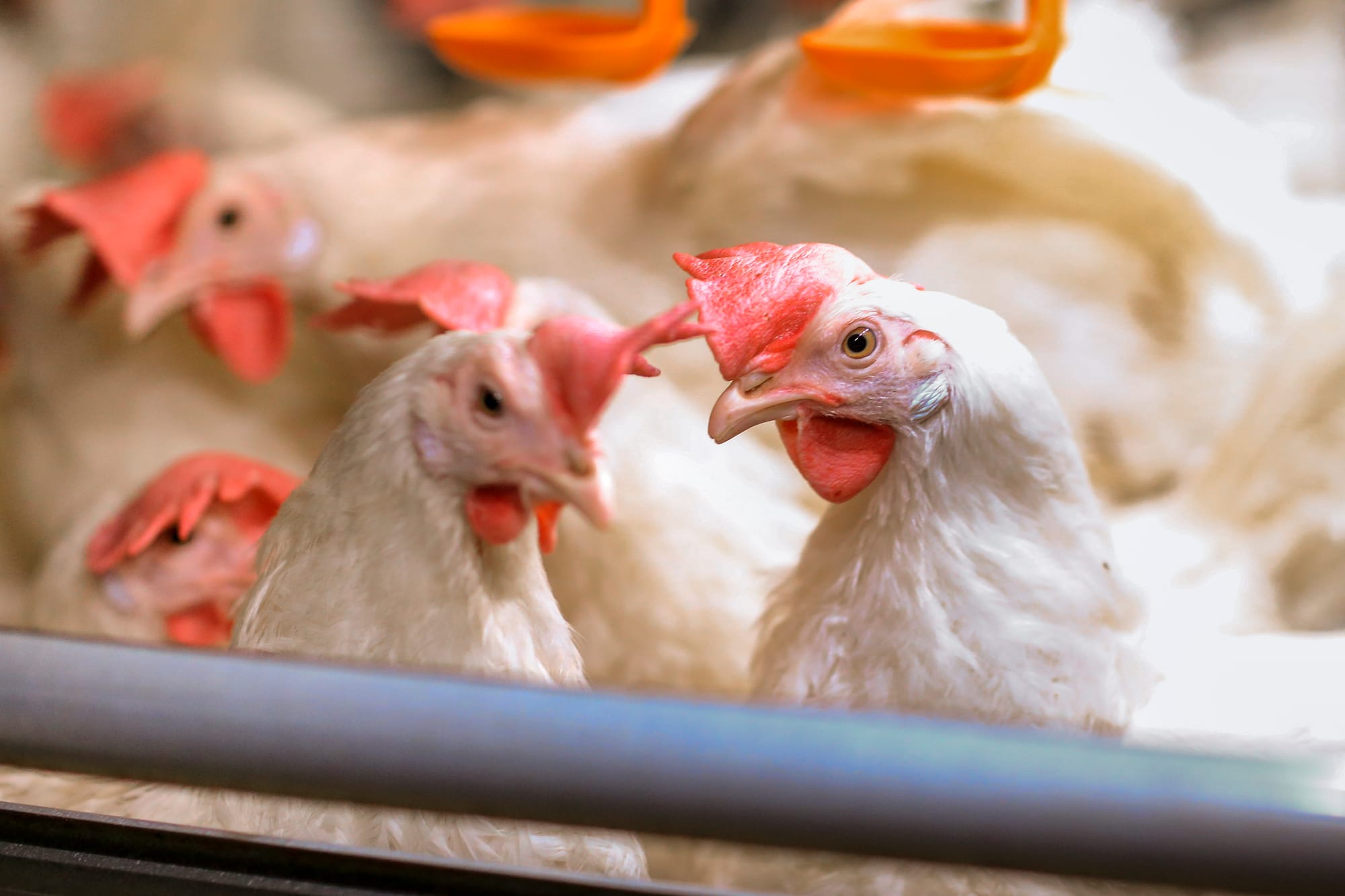
On Monday (24 November), the European Food Safety Agency (EFSA) reported that highly pathogenic avian influenza H5N1 viruses have been detected in wild birds across 26 European countries - four times as many as in the same period in 2024.
EFSA has called for enhanced surveillance for early detection and robust biosecurity on farms to prevent onward spread among poultry establishments.
The virus has been known to spread to mammals, notably in cattle in the US, and more recently it has decimated the population of Arctic elephant seals. So far, it has not had much impact on people.
There have been infections among dairy workers in the US, but these have resulted in red or itchy eyes, fever, or a sore throat. Two people in the US have died from bird flu in 2025: one in January from the H5N1 strain and another yesterday (24 November) from the H5N5 strain, both had underlying health conditions.
The ECDC says that, given the high circulation levels of the virus, there is the potential for people to be exposed, particularly those working in the poultry industry or near to wild birds.
The agency advises that those exposed to infected animals should be monitored for 10 to 14 days after exposure to see if they develop symptoms; they should self-isolate and be tested immediately.
“Where there is an ongoing avian influenza outbreak in animals, healthcare workers should ask patients about their history of exposure to animals, particularly in those with symptoms compatible with animal-to-human influenza infection.” More recent guidance for professionals can be found here.