FCTC rebuts EU states’ claims tying tax rises to illicit trade
The fourth session of the Meeting of the Parties (MOP4) to the Protocol to Eliminate Illicit Trade in Tobacco Products closed with new commitments to strengthen co-operation
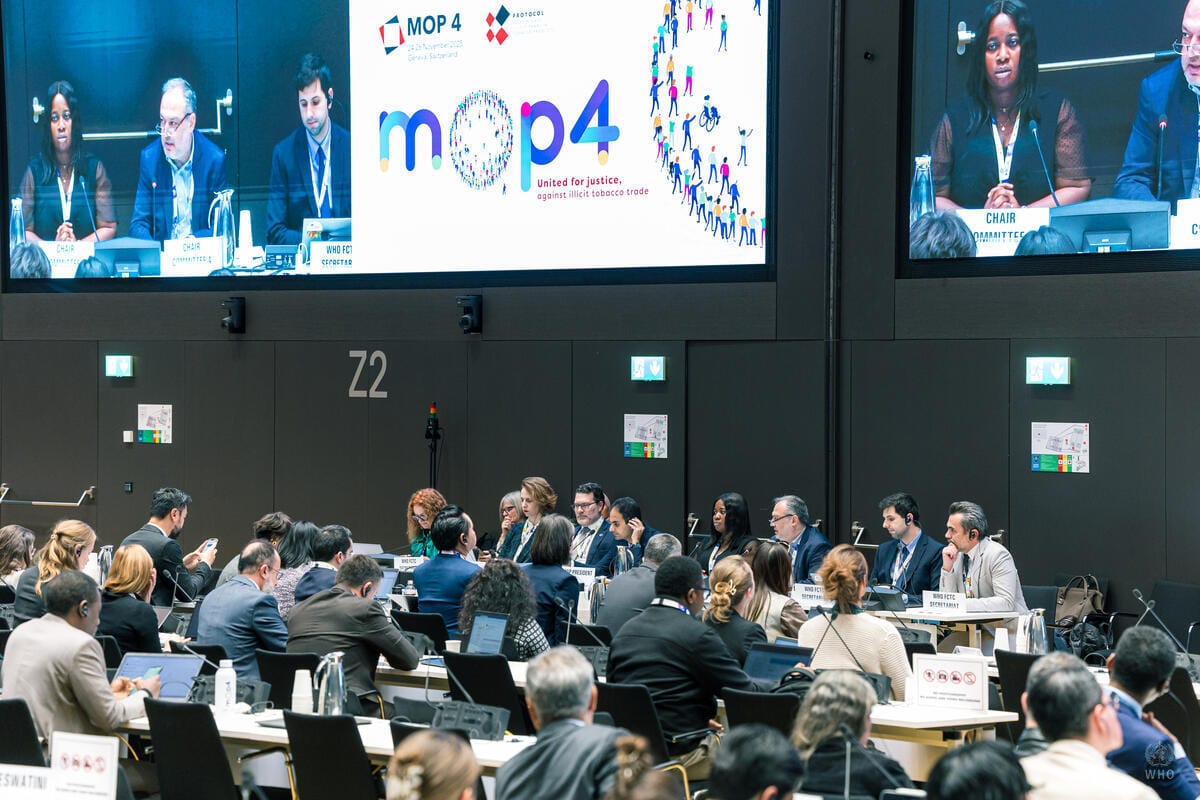
Representatives of 60 parties agreed on concrete measures to fight against the illicit trade in tobacco.
“The decisions we have taken during this MOP strengthen the Protocol and send a clear message: we are united, we are resolute, and we will continue to adapt to meet the challenges of an ever-evolving illicit market,” said Acting Head of the Secretariat of the WHO Framework Convention on Tobacco Control (FCTC) Andrew Black.
A polycrime: The Parties to the Protocol have agreed to establish a working group to promote and share best practice and assist with capacity building. They will also share data in co-ordination with the World Customs Organization and the UN Office of Drugs and Crime.
Black said illicit trade in tobacco products is not a victimless crime: “In fact, as INTERPOL said, it is a polycrime. It fuels corruption, money laundering and organized crime.”
Funding: Parties agreed to intensify efforts to monitor and collect licence fees to fund implementation or public health-related activities. The secretariat described this as an investment rather than a cost.
EU tobacco taxation proposal
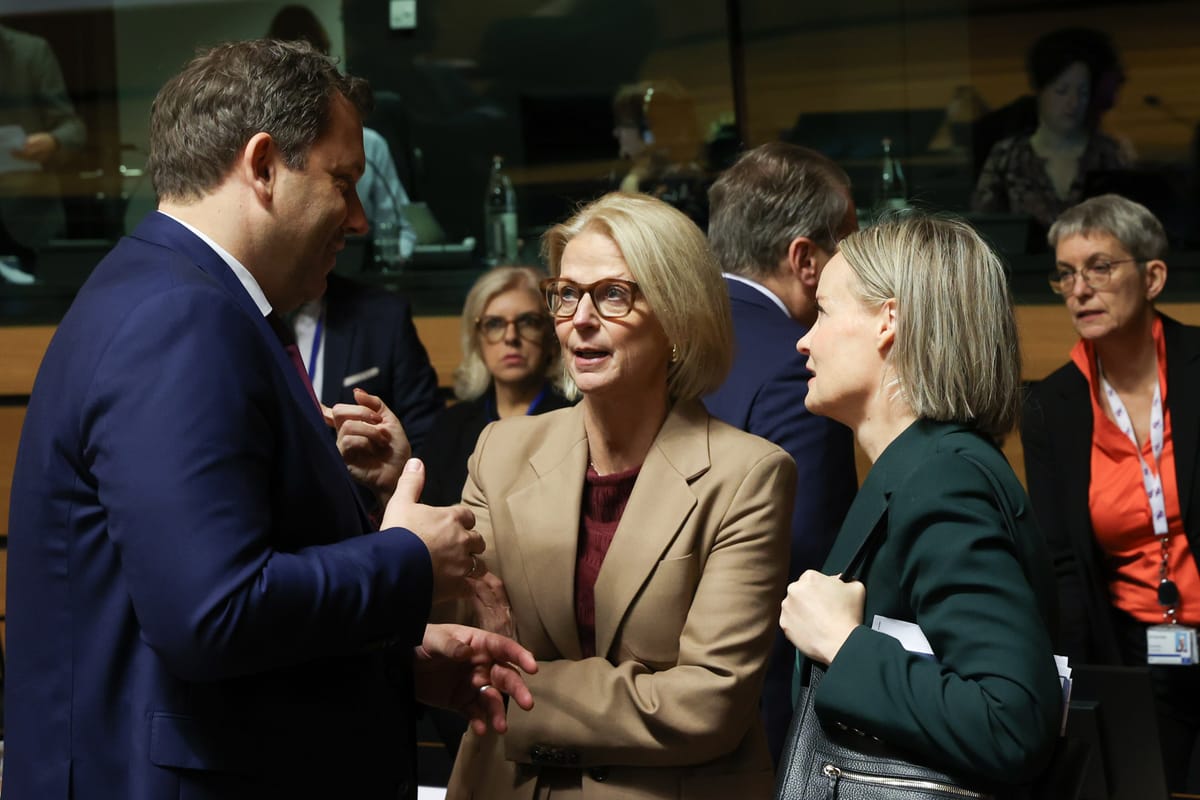
In recent discussions among EU finance ministers in Brussels, on the EU's proposed revision of the Tobacco Taxation Directive, many countries, particularly those with external borders, raised concerns that increased taxation would lead to more illicit trade.
Asked about this, FCTC Programme Manager Rodrigo Santos Feijo said, “it’s an argument that we see over and over”, the recurring claim that increasing tobacco taxes inevitably leads to more illicit trade. “The evidence shows otherwise,” he said. Citing a “very comprehensive report” by the World Bank, he said that the evidence indicated: “The main factor for illicit trade in tobacco products is weak law enforcement.”
“We have examples of countries that are controlling illicit trade despite high taxes,” he said. Conversely, some countries with low tobacco taxes still experience significant illicit trade because “it’s easy to do”. He said that governance and enforcement, rather than tax rates, were decisive.
Scare tactics
Santos Feijo said that the narrative linking tax increases with illicit trade is a familiar industry strategy: “A tactic that we call one of the scare tactics… to say that if countries raise taxes, they will see an increase in illicit trade.” The evidence, he concluded, “has proven that this is not the case.”
Senior FCTC Lawyer, Kate Lannan, added that EU countries were the largest parties to the Protocol and, as a result of implementing it, have a great deal of data. She said that they had a “granular” level of data available to them to rebuff these types of arguments: “The facts simply do not show that [higher taxes lead to] a rise in illicit trade”.
Black said that, with billions in lost revenue that don’t take into account the wider costs to society, the question is: “Can governments afford not to get control of their illicit markets?”
 Catherine Feore