
‘Fair Labour Mobility’ package could help EU's healthcare workforce
The EU’s Fair Labour Mobility Package aims to speed up recognition of qualifications, including for non-EU professionals
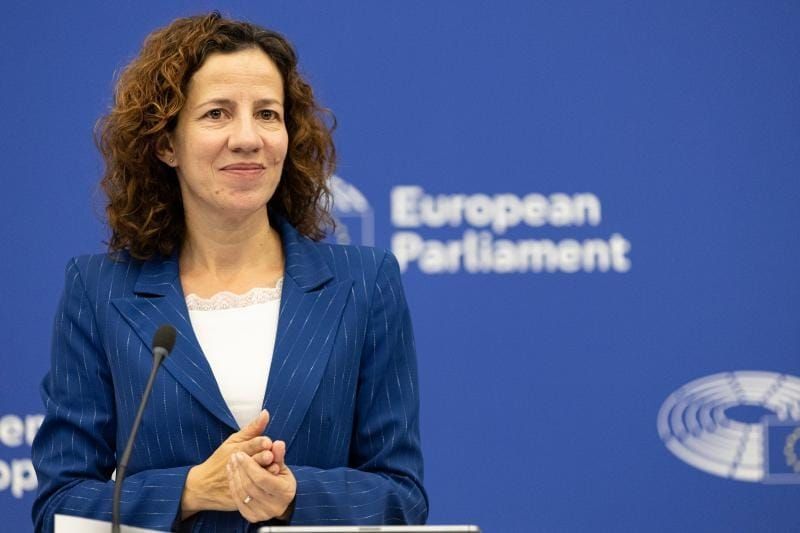
The European Commission has unveiled what it calls an ambitious “Fair Labour Mobility” package aimed at making it easier for people to work across EU borders while strengthening protections against exploitation and fraud.
The proposals would allow workers to prove social security and health insurance entitlements digitally and make qualifications easier to understand and recognize. The Commission estimates the measures could generate €6 billion in benefits by 2040.
Central to the package is a European Social Security Pass, or ESSPASS, enabling people to request and receive documents such as the European Health Insurance Card and the A1 certificate for posted workers online. Documents could be stored in the EU Digital Identity Wallet and verified by national authorities.
Brussels is also proposing faster recognition of professional qualifications. Procedures for regulated professions, including doctors and nurses, with the aim of reducing the target processing time from three months to five weeks.
Recognition of qualifications obtained outside the EU would also be streamlined, with common standards intended to cut average processing times from 14 months to four months.
The European Federation of Nurses Associations (EFN) has welcomed the Commission’s plans for recognising qualifications from outside the EU, arguing that they bring greater transparency to a labour market already heavily reliant on internationally recruited healthcare professionals.
EFN Secretary General Paul De Raeve said recruitment from third countries was already well established and frequently organised through bilateral arrangements between governments. Denmark, he noted, has gone considerably further, establishing a school in Delhi to prepare Indian nurses for work in Denmark, including Danish-language training.
“This is going on,” De Raeve said, arguing that international mobility cannot simply be prevented when European health systems need staff and qualified professionals want to move. In the short term, he said, overseas recruitment is also difficult to avoid given that educating a nurse takes around four years.
For De Raeve, an important improvement in the Commission proposal is therefore not simply facilitating recruitment, but putting it within a clearer European framework. The proposed directive would establish common rules for recognising qualifications obtained outside the EU, including aligned documentation requirements.
It would also provide stronger mechanisms for checking whether qualifications are genuine and meet European standards. Training programmes and institutions seeking access to automatic recognition would undergo EU-level assessment, potentially including independent review, site visits and direct examination of training environments.
De Raeve particularly welcomed this approach, pointing to the risks of fraud in diploma accreditation. Having universities and training institutions formally assessed and certified would give regulators and employers greater confidence that somebody arriving with a qualification has been trained by a legitimate institution to an appropriate standard.
He also welcomed plans to reduce administrative delays for individual professionals.
For nursing, De Raeve argued, faster recognition and stronger verification could help Europe recruit internationally without lowering professional standards, while replacing opaque bilateral arrangements with more consistent EU-level rules.
The proposals still require approval by the European Parliament and EU governments. Key measures would then be phased in over several years, with improvements to the Labour Authority expected during 2028–2030.