
European Parliament backs €2.5 billion cancer funding pledge and stronger prevention measures
The European Parliament backed €2.5 billion for cancer action, stronger tobacco and nicotine controls, and anti-discrimination protections for survivors
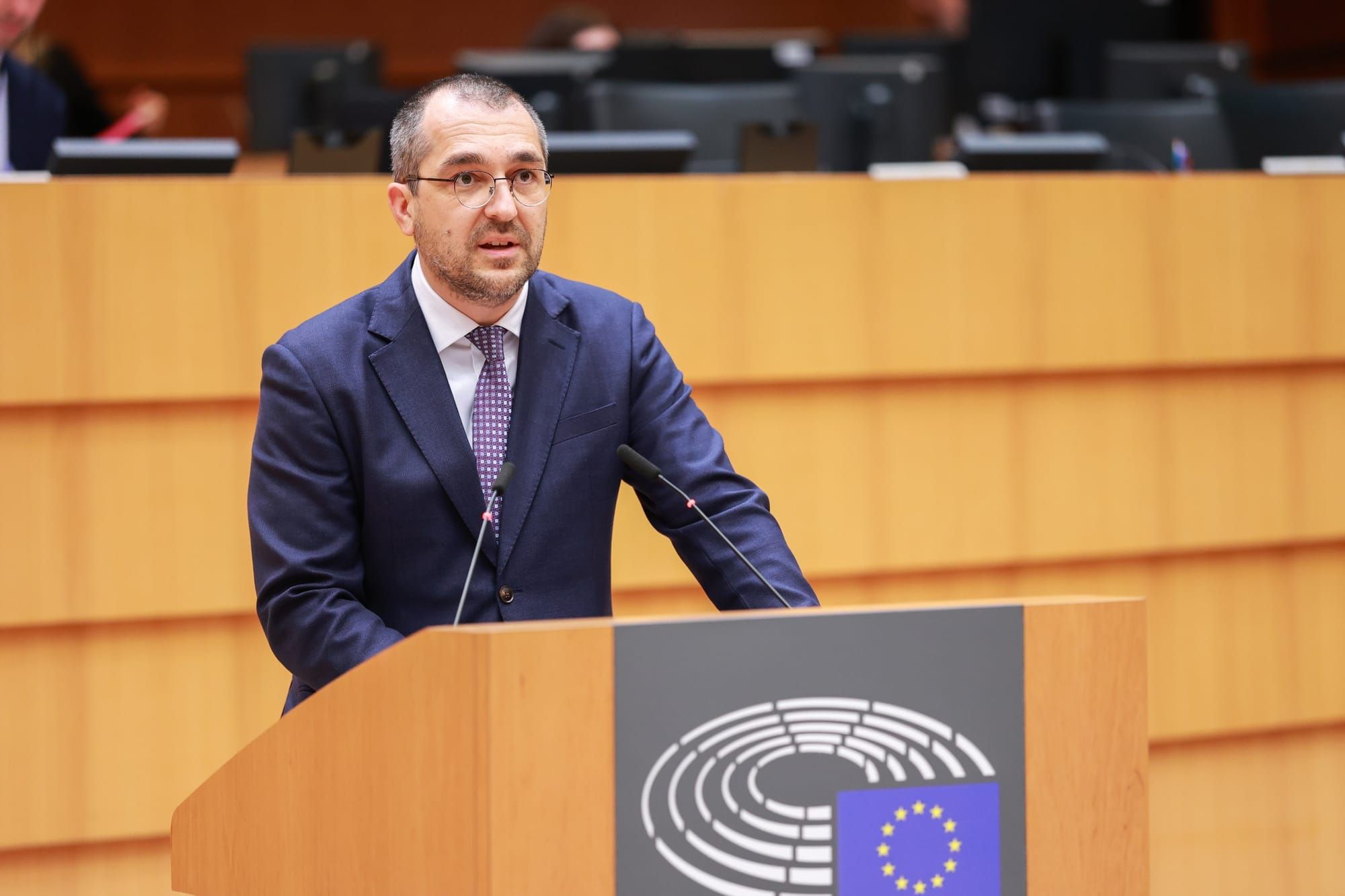
MEPs have adopted a resolution calling for dedicated funding to strengthen Europe’s Beating Cancer Plan, alongside tougher tobacco and nicotine regulation, improved access to treatment and stronger protections against discrimination for cancer survivors. The vote has been welcomed by public health advocates and patients’ rights campaigners.
The European Parliament has backed a call to ring-fence at least €2.5 billion for cancer-related action in the EU’s next long-term budget, as part of a wider push to strengthen Europe’s Beating Cancer Plan and address persistent inequalities in cancer prevention, diagnosis and treatment.
The resolution, led by Romanian Renew Europe MEP Vlad Voiculescu, was adopted on Thursday by 447 votes to 66, with 91 abstentions.
Parliament wants the EU’s 2028–2034 budget to allocate at least €10.05 billion to health, including €2.5 billion specifically dedicated to cancer-related initiatives.
The funding would support national screening programmes, improved access to specialist care and strengthen European co-operation on rare diseases and childhood cancers.
The vote comes amid concerns that the EU has missed its 2025 target of offering screening to 90% of eligible people for breast, cervical and colorectal cancers.
MEPs are calling for annual reporting by the European Commission on screening coverage, early diagnosis and patients’ access to treatment.
“Every few minutes, cancer takes another life in Europe. Europe has missed its screening targets and this is deeply regrettable. When someone misses out on a screening invitation, we may lose the chance to catch their cancer early,” Voiculescu said.
Stronger tobacco and nicotine prevention measures welcomed
The resolution also reinforces Parliament’s commitment to stronger cancer prevention, particularly through updated tobacco and nicotine legislation.
Voiculescu underlined that tobacco causes one in five cancer deaths in the EU: "We know exactly what works to stop it. This report leaves room for moral courage: for doing what is right, and for saving lives.”
MEPs maintained calls for an urgent revision of EU rules to cover emerging products, including electronic cigarettes, heated tobacco products and nicotine pouches.
The report also supports higher excise duties on tobacco and nicotine products, plain packaging, restrictions on advertising and the removal of tobacco products from shop displays.
Nicholas Serli, Policy Coordinator at the European Society of Cardiology, welcomed the growing political consensus on stronger regulation of novel nicotine products.
“MEPs call, once again, for stronger regulation of novel tobacco and nicotine products,” he said.
He highlighted the importance of protecting young people from nicotine addiction through restrictions on youth-appealing flavours, plain packaging and tighter controls on advertising and marketing.
The European Joint Action JA-SAFE, which brings together 60 institutions from 23 European countries to advance disease prevention, also welcomed Parliament’s position.
It stressed that nicotine products should not operate in a regulatory grey zone and that EU legislation must keep pace with new products, flavours and marketing strategies, particularly those targeting young people.
Renew Europe welcomed the rejection of amendments from the European Conservatives and Reformists, Patriots for Europe and 38 individual European People's Party members that sought to weaken the report’s tobacco provisions.
The vote is an important political signal ahead of forthcoming revisions of the EU Tobacco Products Directive and Tobacco Advertising Directive.
New milestone in protecting cancer survivors from discrimination
The resolution also received a positive response from campaigners seeking to end financial discrimination against cancer survivors.
Parliament calls for the full implementation of the so-called ‘Right to Be Forgotten’ provisions in the EU Consumer Credit Directive and their extension to other legislation, particularly the Mortgage Credit Directive.
The principle seeks to ensure that people who have recovered from cancer are not unfairly disadvantaged by their previous diagnosis when applying for loans, mortgages or related insurance.
Françoise Meunier, founder of the European Initiative on Ending Discrimination Against Cancer Survivors, welcomed the provision as an important milestone in the campaign for equal treatment across Europe.
“A mortgage is often the first step back into a normal life after cancer. Cancer survivors should not be penalized financially for years after they have been declared cured,” she said.
Meunier thanked Voiculescu and the MEPs who supported the text, while emphasizing the importance of translating Parliament’s position into enforceable protections.
“The next step is to turn these words into binding law, harmonized across Europe,” she said.
Pressure on Commission to deliver
Beyond prevention and survivors’ rights, the resolution calls for more equitable access to cancer screening, diagnosis, clinical trials and innovative treatments across the EU.
Particular attention is given to rare and childhood cancers, where patients may need specialist expertise located in another member state.
Although the resolution is non-binding, its adoption establishes Parliament’s position ahead of negotiations on the next EU budget and future legislative proposals.
The vote puts renewed pressure on the European Commission to deliver on the ambitions of Europe’s Beating Cancer Plan through sustained funding and follow-through on its commitments.