EU sets out cardiovascular screening framework as Várhelyi urges shift towards prevention
Várhelyi says every €1 spent on prevention could save at least €7 in healthcare costs
All Europeans should receive regular cardiovascular health checks throughout their lives under new European Commission recommendations aimed at detecting risks earlier and reducing deaths from the EU’s biggest killer.
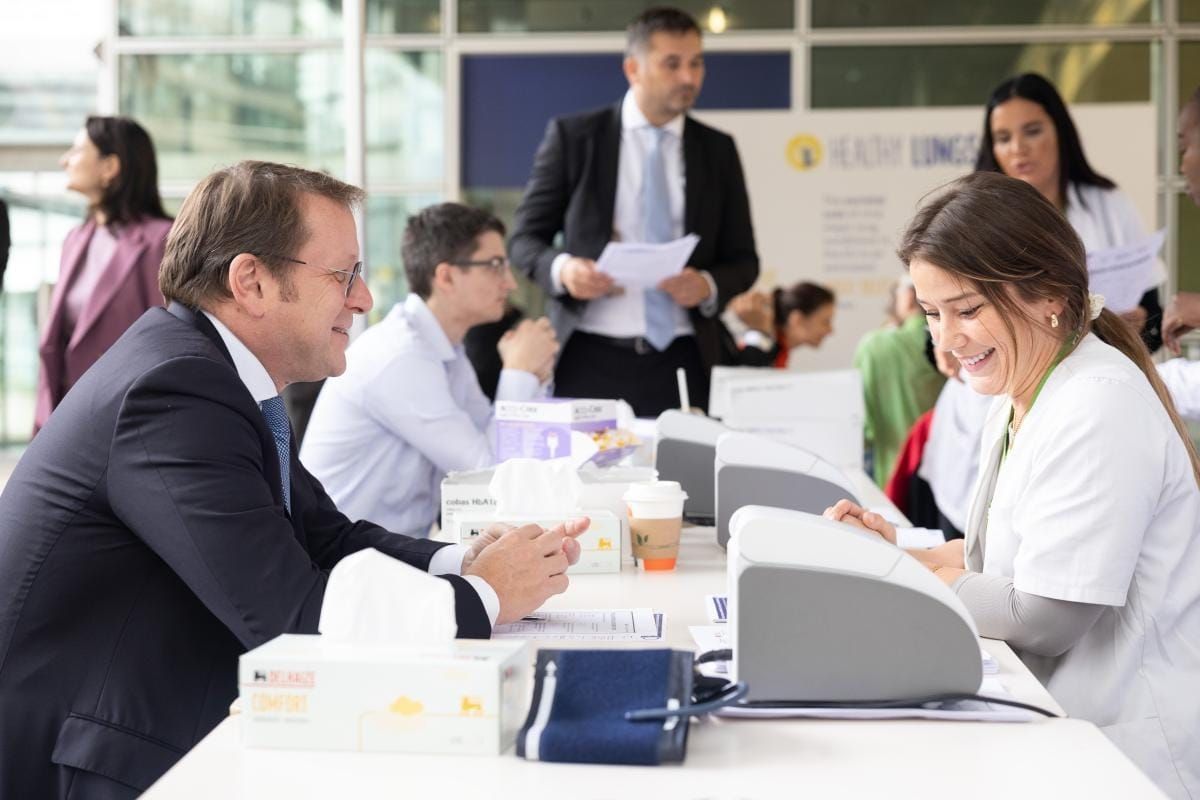
Launching the first EU Screening Week on Monday, Health Commissioner Olivér Várhelyi said Europe needed to move away from a healthcare model focused predominantly on treating people after they become ill and make prevention and early detection a routine part of healthcare.
Cardiovascular diseases claim around 1.7 million lives in the EU each year and cost the European economy more than €282 billion annually. The Commission says as many as 80% of cardiovascular diseases could be prevented by tackling risk factors including high blood pressure, cholesterol, high blood sugar and obesity.
“For too long, healthcare has been primarily about treating people once they become ill,” Várhelyi said. “We cannot afford to rely on that as our default model, not anymore, and not for citizens, not for their families, and not for the sustainability of our healthcare systems.”
Access to cardiovascular health checks remains uneven. They are available in fewer than half of member states and national approaches differ significantly.
The Commission’s proposed Council Recommendation seeks to make checks more systematic while allowing member states to determine how they are delivered.
The Expert Task Force of the European Society of Cardiology recommends specific cardiometabolic health checks to detect risk early in individuals under 35 years of age with existing risk factors.
Adults aged 35 to 64 should receive more systematic checks at least every five years, and more frequently when their risk is higher. Those aged 65 and above should be checked every three to five years, with additional assessments where appropriate.
“The goal is broad access, but also smart targeting,” Várhelyi said. “Some people need checks earlier or more often, because of age, family history, existing risk factors, or other circumstances that put them at greater risk.”
The Commissioner pointed to the scale of undiagnosed risk across Europe. Around half of the European population has high blood pressure, he said, but half of those affected are unaware of it.
Diabetes presents a similar challenge. Várhelyi said the proportion of Europeans living with diabetes had risen by 22% over the past decade, while in some countries one in four people with diabetes did not know they had the condition.
“We need to help people build healthier habits from an early age, and to be able to identify risks sooner, and ensure that detection leads to timely care,” he said.
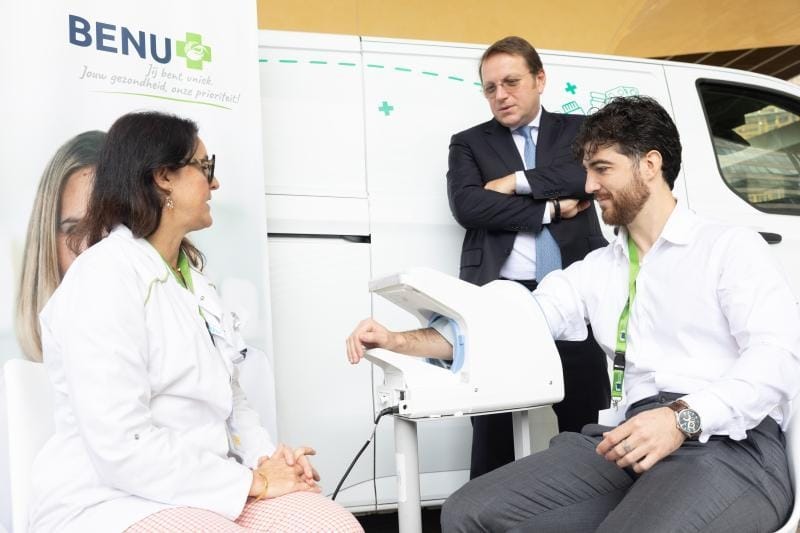
The recommendations place particular emphasis on people conventional healthcare services may miss. Pharmacies, community centres and mobile health units could all provide more screening and help reach underserved communities.
“We know that cardiovascular risk is not distributed evenly,” Várhelyi said. “Some groups are at higher risk because of age, medical history, social determinants, or barriers to access. Prevention cannot become a privilege,” he added.
The initiative refers to the use of digital tools and artificial intelligence, which could also strengthen cardiovascular risk assessment and screening, according to the Commission, provided they are used responsibly and with human oversight.
Várhelyi said €20 million had been mobilised this year to develop and deploy AI-driven prevention and treatment technologies for cardiovascular and related diseases. But he stressed that such technologies should “empower the health professionals and never replace them”.
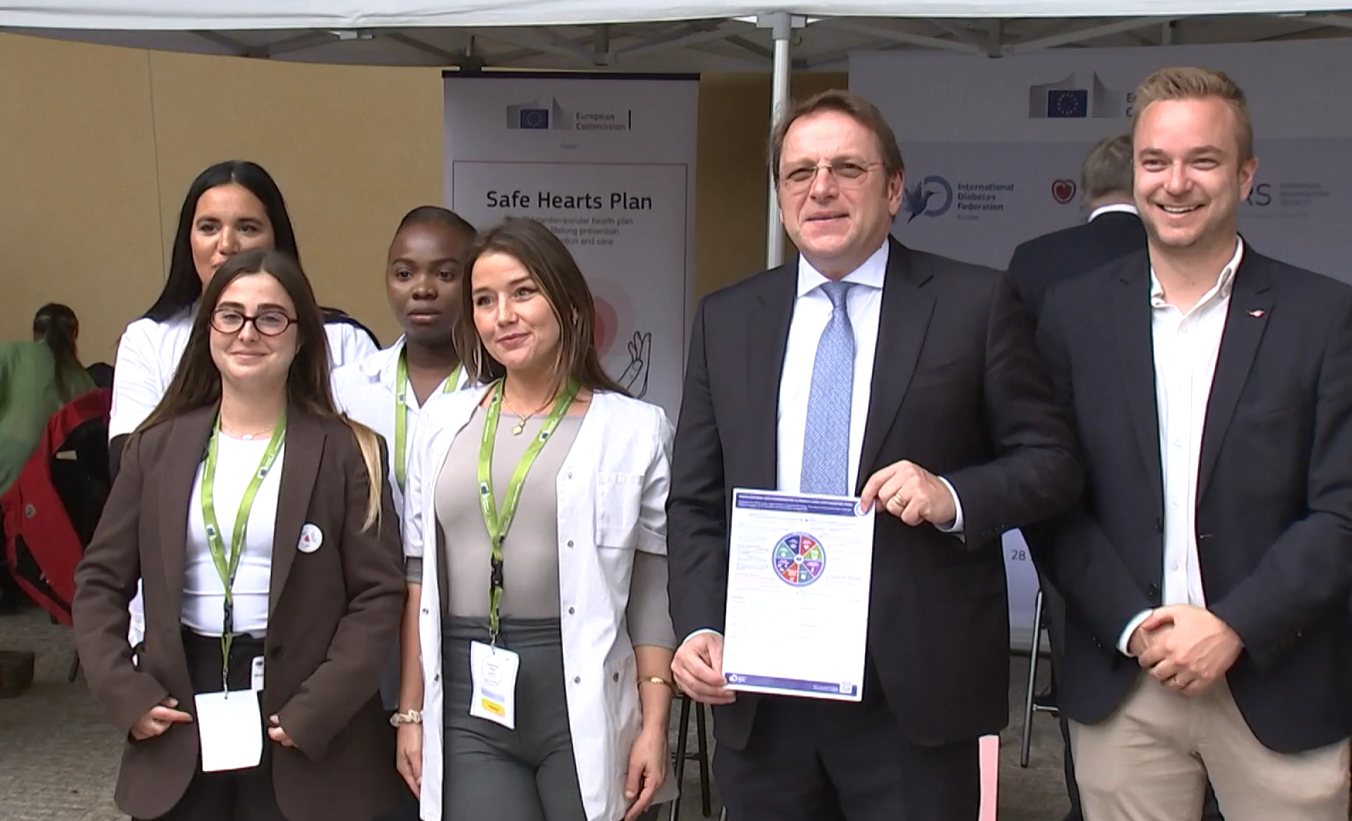
The recommendations are part of the Safe Hearts Plan, presented in December 2025, which aims to reduce premature cardiovascular deaths by 25% by 2035.
Alongside the policy proposal, the Commission launched the first annual EU Screening Week, running from 28 September to 4 October, and the ‘Know Your Numbers’ campaign.
More than 800 screening opportunities are being offered across all 27 member states. “This is a Europe-wide mobilisation delivered locally,” he said.
Várhelyi said the Commission had spent less than €30,000 on Screening Week itself, describing it as a largely voluntary initiative that he hoped would prove highly cost-effective.
Asked by Vital Signs about whether Structural Funds could be used for this sort of screening under the future budget, currently under negotiation, Varhelyi said funds could continue to support eligible investments as long as the relevant rules remained in place.
More than €40 billion from the Recovery and Resilience Facility had been invested in modernising Member States’ healthcare systems, he said, including infrastructure relevant to screening.
However, Várhelyi said the longer-term challenge went beyond financing individual screening projects and required a broader change in how health budgets were allocated. Europe currently spends roughly 80% of healthcare budgets on treatment and only around 3% on prevention, he said.
“Every euro invested in prevention saves you at least seven euros in the care side of the healthcare budget,” Várhelyi said, arguing that Europe needed a discussion about “investing rapidly and massively into prevention”.
Ultimately, Várhelyi said, the Commission wanted screening to become an ordinary part of healthcare rather than something that happened only after symptoms emerge. "Prevention should become a European reflex.”