
EU plans cross-border communication system to strengthen emergency health response
The EU has proposed a new secure cross-border communication system to help emergency medical teams and other first responders coordinate and share critical information during crises
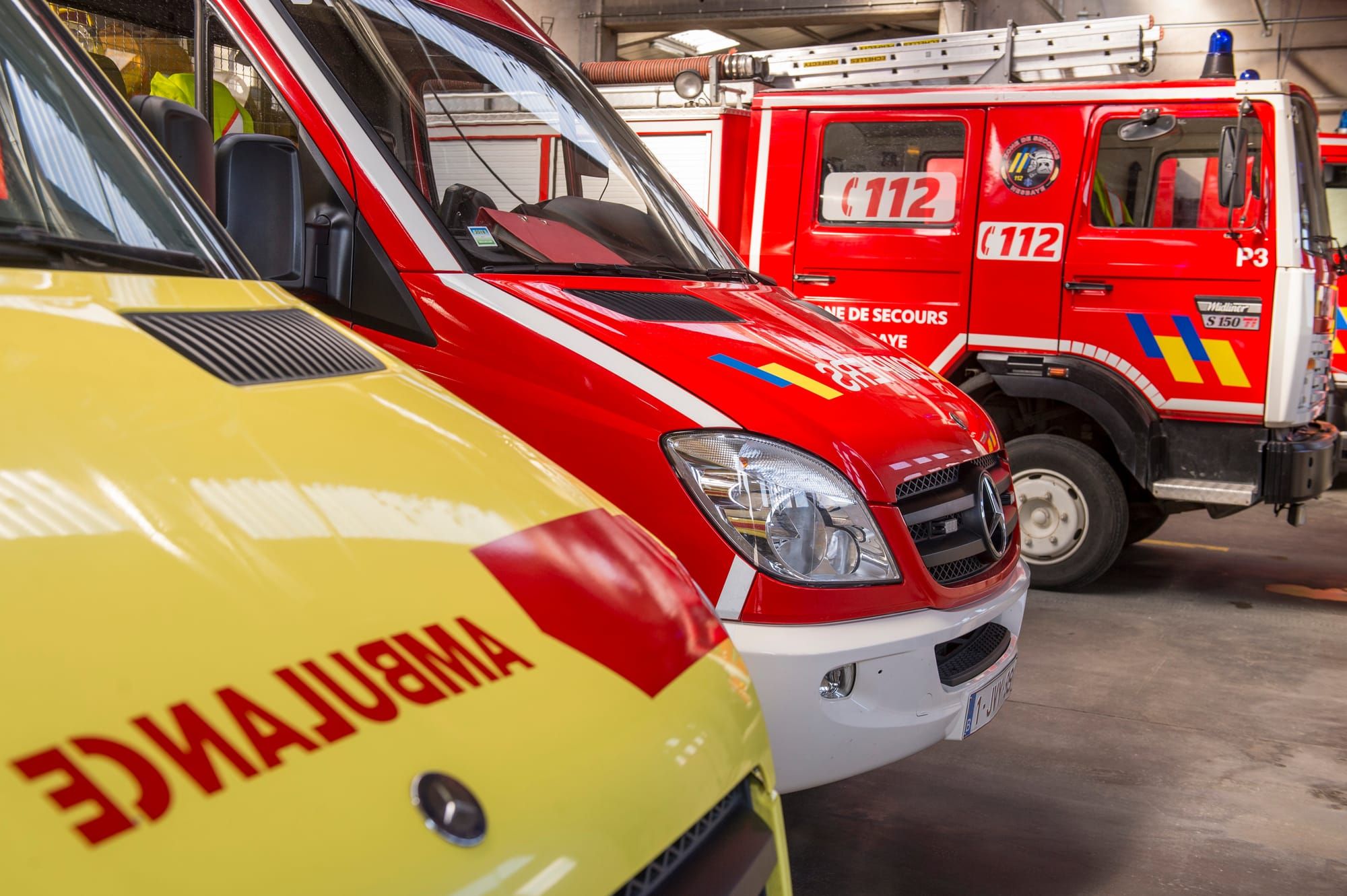
Paramedics, emergency medical teams and other first responders could gain access to a common European communication system designed to keep them connected across borders and during major disasters, under a new European Commission proposal.
The European Union Critical Communication System (EUCCS) would connect national networks, allowing medical services, firefighters, police and civil protection teams to exchange information securely and in real time.
The Commission says national communication systems are currently not always interconnected and can stop working when responders cross a border — potentially hampering coordination when emergency teams from several countries work together.
For emergency health services, EUCCS would represent a shift beyond traditional voice radio. Responders could securely share messages, photographs, video and geolocation information, potentially giving medical teams a clearer picture of conditions as they assess casualties, organise evacuations and coordinate with other services.
“Time is precious in a crisis,” said Hadja Lahbib, European Commissioner for Equality, Preparedness and Crisis Management. “In those moments, rock-solid communication can save lives.” Lahbib said firefighters, police, medics and civil protection teams need secure communications they can rely on during emergencies, including across borders.
The proposal would gradually move member states from narrowband radio towards mobile broadband technology, including Mission Critical Services (MCX), providing secure, high-priority voice, video and data communications.
A key feature is keeping emergency services connected when conventional networks fail. Critical communications would receive priority when mobile networks are saturated, while EU satellites would provide backup when terrestrial networks are unavailable. Deployable mobile communication units could also restore connectivity in crisis areas.
Commissioner for Internal Affairs and Migration Magnus Brunner cited the blackout affecting Spain and Portugal and the 2024 Valencia floods as examples of emergencies where telecommunications were disrupted. In Valencia, teams arriving from different countries had their own equipment but lacked common procedures to connect, he said.
Cross-border interoperability is central to the proposal. Emergency medical personnel deployed to another member state would be able to use their own critical communication service while connecting with local emergency responders. The system would cover the EU and Schengen-associated countries.
Henna Virkkunen, Commission Executive Vice-President for Tech Sovereignty, Security and Democracy, called EUCCS “not just a technological upgrade” but “a vital operational shield,” saying it would help first responders exchange critical data and coordinate across borders without interruption.
The European Parliament and Council must now adopt the proposal. The first group of member states is expected to connect in 2030, with all member states due to join by 2036.