
EU health chief warns obesity is a growing threat to Europe’s healthcare systems
Rising obesity rates pose growing challenge to sustainability of Europe's healthcare system

Marking World Obesity Day, European Commissioner for Health and Animal Welfare Olivér Várhelyi warned that rising obesity rates are becoming a major challenge for Europe’s health systems, economies and societies.
In a message shared on social media, Várhelyi stressed that obesity must be treated as more than a personal health concern.
“Obesity is not only a health issue — it is a major challenge for Europe’s health systems, societies and economies,” he wrote.
According to the European Commission, more than half of adults in the EU are now overweight, while around 30% of young people are overweight or obese. The consequences are far-reaching.
“Obesity is a major driver of diabetes and cardiovascular diseases, the leading cause of death in Europe,” Várhelyi said.
Addressing the issue is a key element of the EU’s new Safe Hearts Plan, the EU’s first cardiovascular health strategy. The initiative aims to strengthen prevention and early detection, improve personalised prevention and integrated care through digital tools, and tackle major risk factors such as obesity, diabetes and hypertension.
Várhelyi emphasised that prevention must begin early in life.
“Encouraging physical activity, healthier diets and better information for citizens is essential if we want to reduce the burden of chronic diseases,” he said.
 Catherine Feore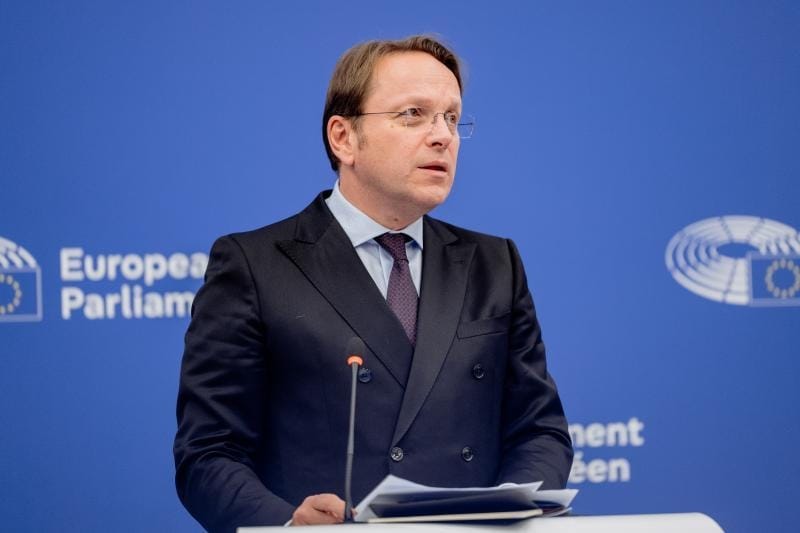
However, the Commission’s strategy has already faced criticism from public health groups for watering down earlier proposals targeting unhealthy products such as sugary drinks and alcopops.
Public health actors, including the European Public Health Alliance (EPHA), expressed disappointment that taxation on ultra-processed foods included in earlier drafts of the Safe Hearts Plan did not make it into the final version. Instead, the strategy only contains a reference to “possible financial actions”.
The Commission has proposed a study on what it describes as “so-called” ultra-processed foods (UPFs) to help guide future EU policy action.
In addition, the Commission is evaluating the Audiovisual Media Services Directive this year and examining how to limit the marketing of UPFs to children and young people.
World Obesity Atlas
The debate comes as new global data highlights the scale of the issue.
The World Obesity Federation warned on World Obesity Day that the world is “failing” to tackle obesity, with more than one in five school-age children now estimated to be living with overweight or obesity.
According to the World Obesity Atlas 2026, 20.7% of children aged 5–19 worldwide are living with overweight or obesity, up from 14.6% in 2010. The federation estimates that by 2040, some 507 million school-age children will be affected.
The organisation also warned that the global community is set to miss the target of halting the rise in childhood obesity. Even with the deadline extended from 2025 to 2030, most countries remain off track.
The federation has called for stronger action, including measures such as sugar taxes and restrictions on the marketing of unhealthy foods.
The warnings highlight mounting pressure on governments to move beyond awareness campaigns and adopt stronger measures to curb obesity, but attempts to make progress have faced strong headwinds from the food industry.