Entrenched positions likely to mark second critical medicines trilogue
While shortages have been reduced, supply-chain risks from global conflict may reinforce those calling for greater EU autonomy when it comes to medicine supply

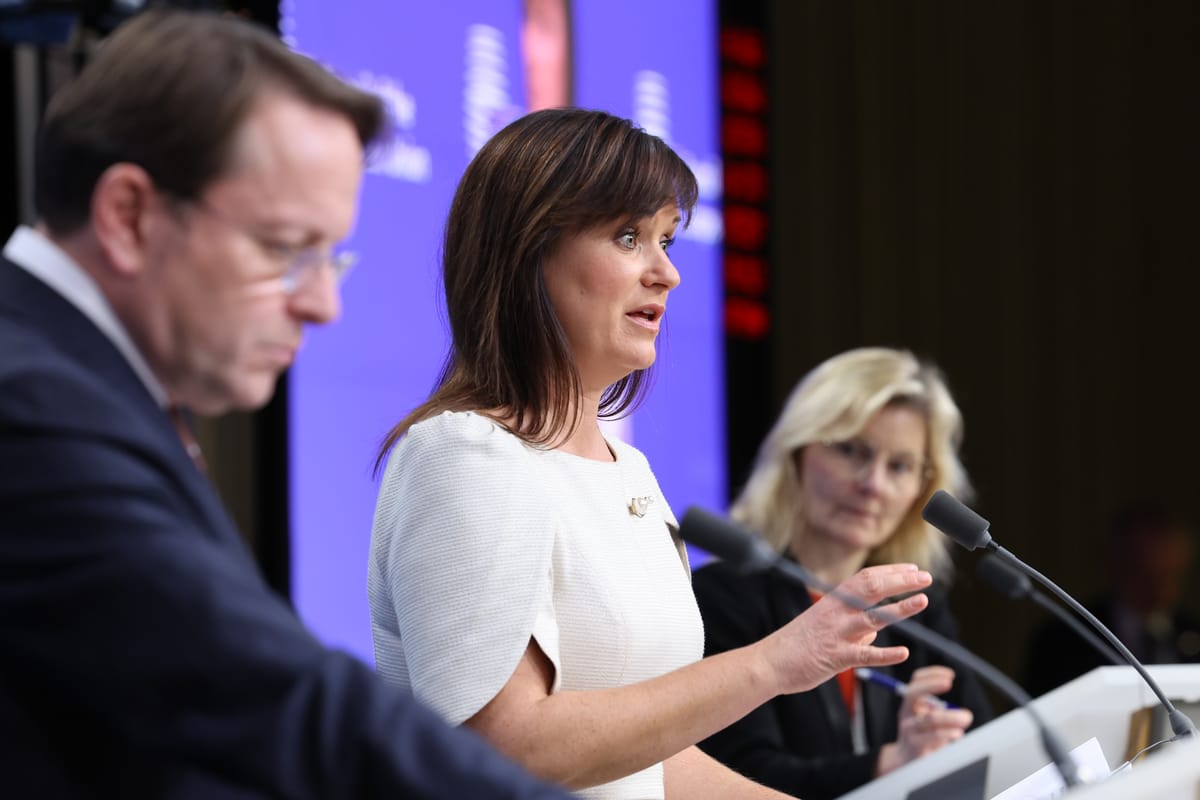
Today, the MEPs and Council will lock horns for the second trilogue on the Critical Medicines Act. While the Cypriot Presidency has described ongoing discussions as “constructive” with some room for “targeted flexibilities”, other senior diplomats told Vital Signs that there is currently “little appetite for flexibility” from the Council.
One diplomat said: “There is a strong sense that many of the Parliament’s amendments go too far, particularly on issues like the scope of Chapter III [which covers the criteria for recognising strategic projects and their financing], which could hinder investment and distort the focus of the legislation, which is incentivising the supply of critical medicines.”
The Parliament’s amendments seek a broad definition, extending the scope of the act to cover not only critical medicinal products but also “medicinal products of common interest”. In addition, the Parliament wants a 'Critical Medicines Security Fund' to be established under the next long-term budget (Multi-financial framework - MFF).
 Catherine Feore
Since the acute shortages experienced during COVID, the EU’s approach has shifted. At an event organised by the Pharmaceutical Group of the European Union (PGEU). European Commission Head of Unit for Medical Products Agnes Mathieu-Mendes highlighted a shift toward a “culture of prevention,” including mandatory shortage-prevention plans and earlier notification of market withdrawals, giving authorities and supply chains more time to react.
 Catherine Feore
There has been concern that since shortages are proving more manageable, the impetus behind the act will be lost, but the potential for the disruption of supply chains due to the conflict in the Middle East is likely to sharpen minds and revive concerns about Europe’s dependency on non-EU manufacturing.
The Board of the European Medicines Agency (EMA) was told that the Medicine Shortages Single Point of Contact (SPOC) Working Party, under the governance of Executive Steering Group on Shortages and Safety of Medicinal Products (MSSG), is monitoring the impact of the war in the Middle East on the supply of medicines, “with a view to identifying appropriate mitigation measures, where necessary”.
To date, there are no reports of medicine shortages; however, some companies are reporting disruptions due to interruptions to air freight and maritime routes, as well as rising costs. The situation is described as “highly dynamic”, and EMA’s boards were told that the risk of shortages may increase if disruptions persist.
 Catherine Feore