
ECDC launches guide for a common response in the face of rise in avian flu
With a surge in highly pathogenic avian influenza, the EU sets out guidance for public authorities
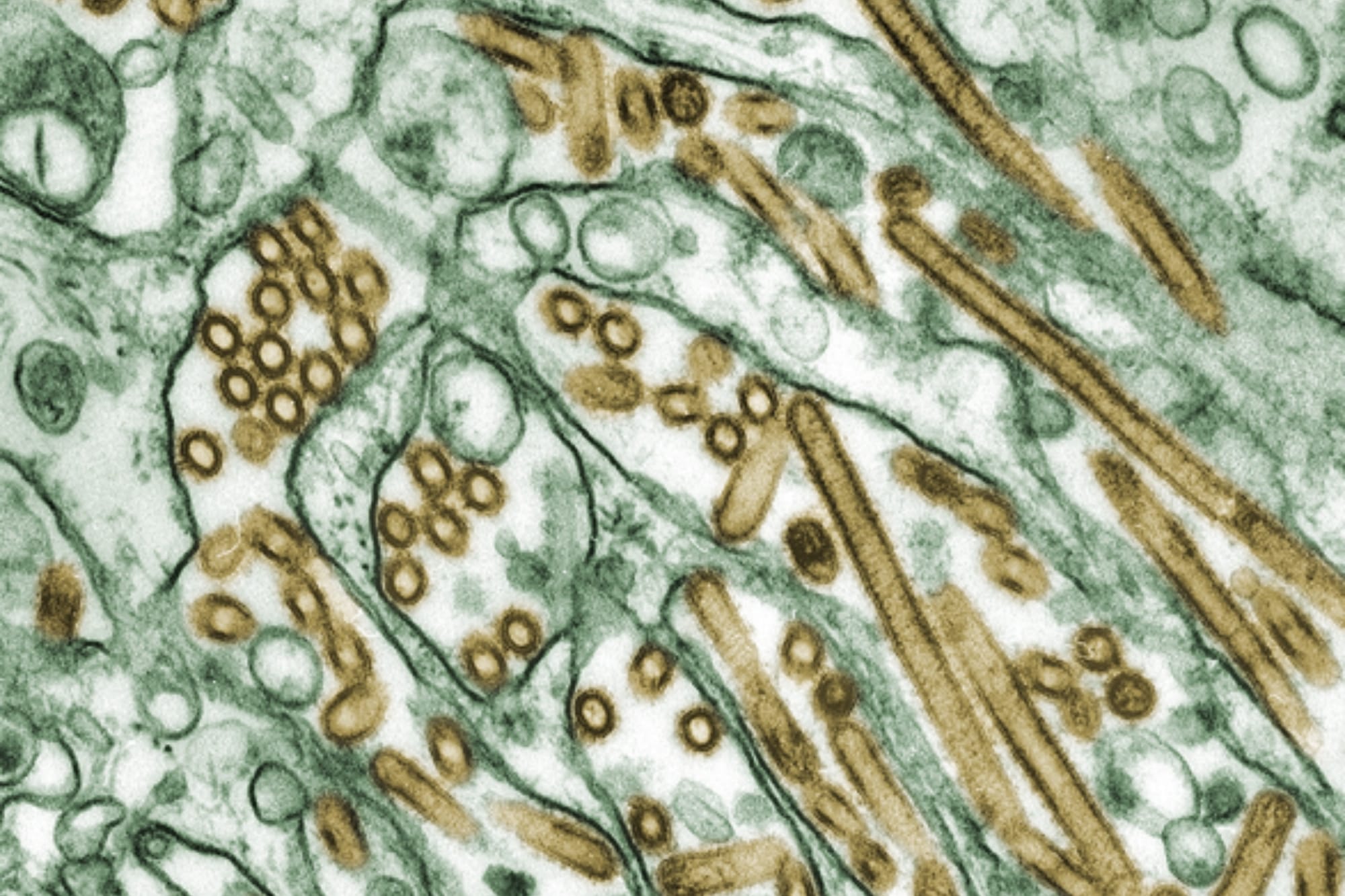
Today (4 December), the European Centre for Disease Prevention and Control (ECDC) published a guide and tools to help countries detect and respond to possible animal-related influenza threats, by examining 14 different scenarios.
The guide lays out the required responses and provides a shared reference for countries, helping coordination with European and international agencies. The framework aims to help countries act quickly and proportionately as risks evolve.
Europe has seen a surge in avian influenza A(H5N1) in wild birds and poultry. This raises concerns about the risk of human exposure to infected animals and the potential for spillover, which could lead to human-to-human transmission of the disease.
“Although the current risk is low, avian influenza is still a serious public health threat due to widespread outbreaks among animals across Europe,” said ECDC Head of Respiratory Viruses, Edoardo Colzani.
 Catherine Feore
The guidance takes a ‘One Health’ approach, recognising the close links between human health, animal health, and the environment, and brings together veterinary services, agriculture, and public health to detect and contain threats early and protect people across Europe.
The guide sets out a scoring system that assesses the risk posed in the different scenarios, with a maximum score of 15. Three main domains are assessed: the potential for onward human-to-human transmission; virological adaptation to mammals; and potential severity. Two additional factors are evaluated: antiviral resistance and vaccine mismatch, which are not part of the score but are critical for guiding pharmaceutical needs and public health actions.
“We need to make sure that early warning signs don’t go unnoticed and that public health actions are timely, coordinated, and effective,” says Colzani. The framework highlights the importance of genomic surveillance, laboratory capacity building, and real-time data sharing, among other elements.
Ultimately, the framework’s goal is simple: to help Europe spot risks sooner and protect people faster.