Council reaches deal on Critical Medicines Act, but level of ambition questioned
EU Ministers backed a joint negotiating position on the Critical Medicines Act agreement, but some consider it a missed opportunity
This afternoon, the Council agreed its “general approach” to the Critical Medicines Act (CMA), which aims to tackle shortages and improve the security of supply by re-shoring or friend-shoring the production of critical medicines within the EU.
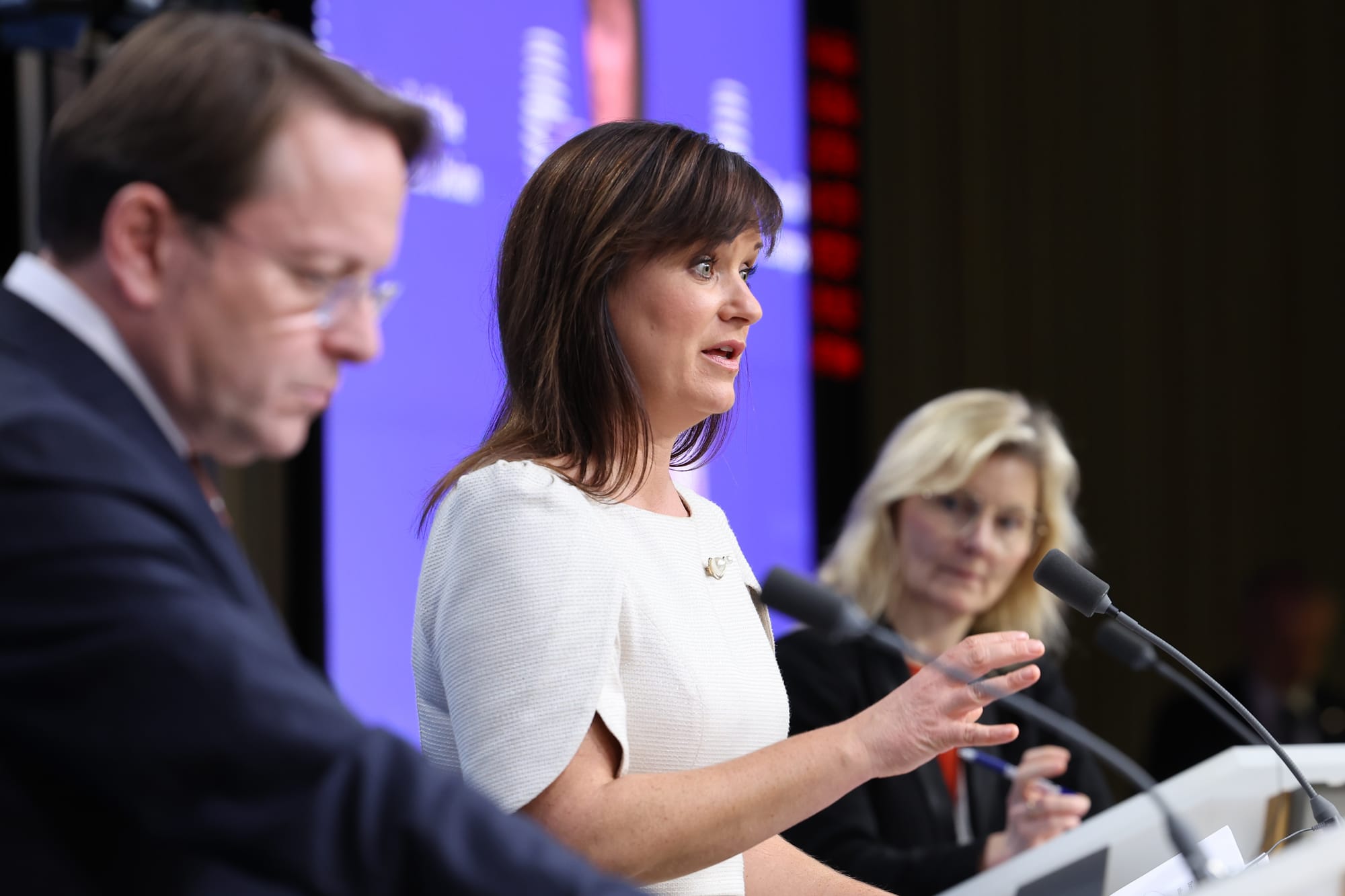
Danish Health Minister and Minister for the Interior, Sophie Løhde, described the agreement as “an important step” towards ensuring that European patients have access to the medicines they need: “The Critical Medicines Act will strengthen the availability of vital medicines, reduce shortages, and build a more resilient supply chain for critical health products across Europe.”
But not all those who spoke at the meeting seemed convinced.
Security of supply as a strategic objective
Belgian Deputy Prime Minister and Minister of Health and Social Affairs, Frank Vandenbroucke, who has led on this issue since the Belgian Presidency (2024), was one of the ministers who abstained, though there was no formal vote. He said that the text falls short on ambition. He singled out the fact that Article 4, which described the security of supply and availability of critical medicinal products for patients as a strategic objective of the Union, had been deleted.
“A few weeks ago, the European Court of Auditors issued a very stark warning that medicine shortages are becoming chronic in the EU, and so action is needed. That is why the Critical Medicines Act is so important; alas, the text that is in front of us today dilutes the level of ambition with regard to the fight against medicine shortages,” he said.
Maltese Minister Jo Alba also described it as “very disappointing”: “When we don't walk the talk, people will lose their trust in the European Union."
Joint procurement
Several states, in particular smaller states, were disappointed by the decision to delete the reference to joint procurement in Article 22(6a). The Lithuanian Health Minister, Marija Jakubauskiene said that she would have preferred to keep this reference to facilitate access for smaller markets, adding that it was successfully used during the COVID-19 response.
Estonia’s Social Minister Karmen Joller announced that Denmark and the Baltic States had just signed a joint declaration on collaboration in the field of procurement, but added that Estonia was in favour of joint procurement with the European Commission participating as the contracting authority, remaining as an option.
However, the German Federal Minister for Health, Nina Walken, welcomed the deletion, saying that the Commission would not and should not become a partner in procurement, “that would go too far”.
The general approach also streamlines provisions on collaborative procurement and reduces the number of states needed to participate from nine to six. Várhelyi says the provisions will allow member states to leverage their joint demand and that the Commission will be supportive.
European preference
France’s Deputy Permanent Representative, Cyril Piquemal, said he would also have liked to have seen more ambition to ensure resilient European manufacturing in critical medicines and active pharmaceutical ingredients APIs: “We don’t have enough specifications on the specific means of implementing the European preference.” Slovenia also indicated support for France in strengthening this element.
Piquemal said that the current wording risks keeping practices fragmented and not strengthening the attractiveness of European manufacturing. He said that France wishes to go further on these points in the trilogue exchanges with the Parliament on what it considers to be these “essential points”.
Várhelyi said the EU preference had to be understood in the context of the whole proposal, though he speculated that finance departments might prioritise cost. The issue might also be addressed more generally in the revision of the public procurement rules anticipated for the end of 2026.
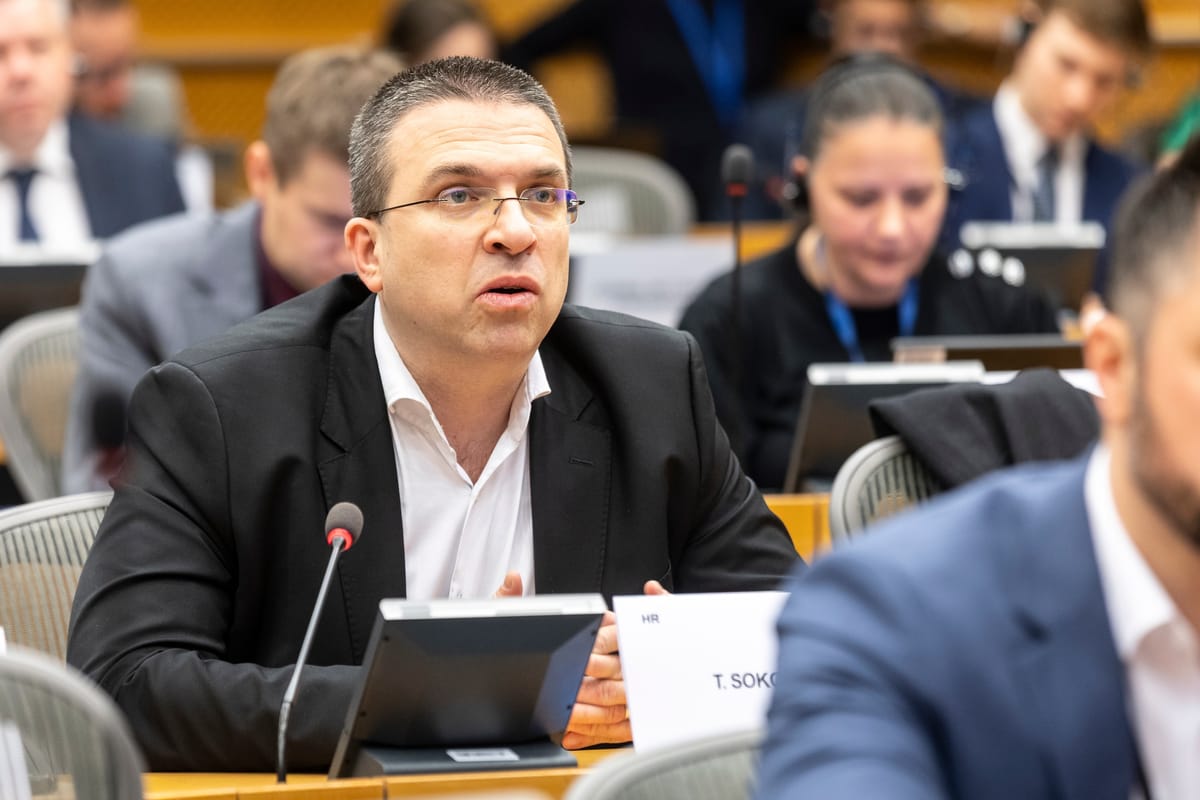
The European Parliament’s Public Health Committee (SANT) will vote on amendments to Tomislav Sokol’s report on the act on Monday, 15 December, with a plenary vote anticipated in January.
Whether the upcoming trilogue will restore the ambition some ministers say is missing now remains in the balance. Commissioner Várhelyi expressed his hope that the CMA will be adopted under the Cypriot Presidency.
 Catherine Feore