
COP11 delivers incremental wins, but remains weak on new nicotine products
The eleventh Conference of the Parties for tobacco control closed today with incremental progress and prevarication
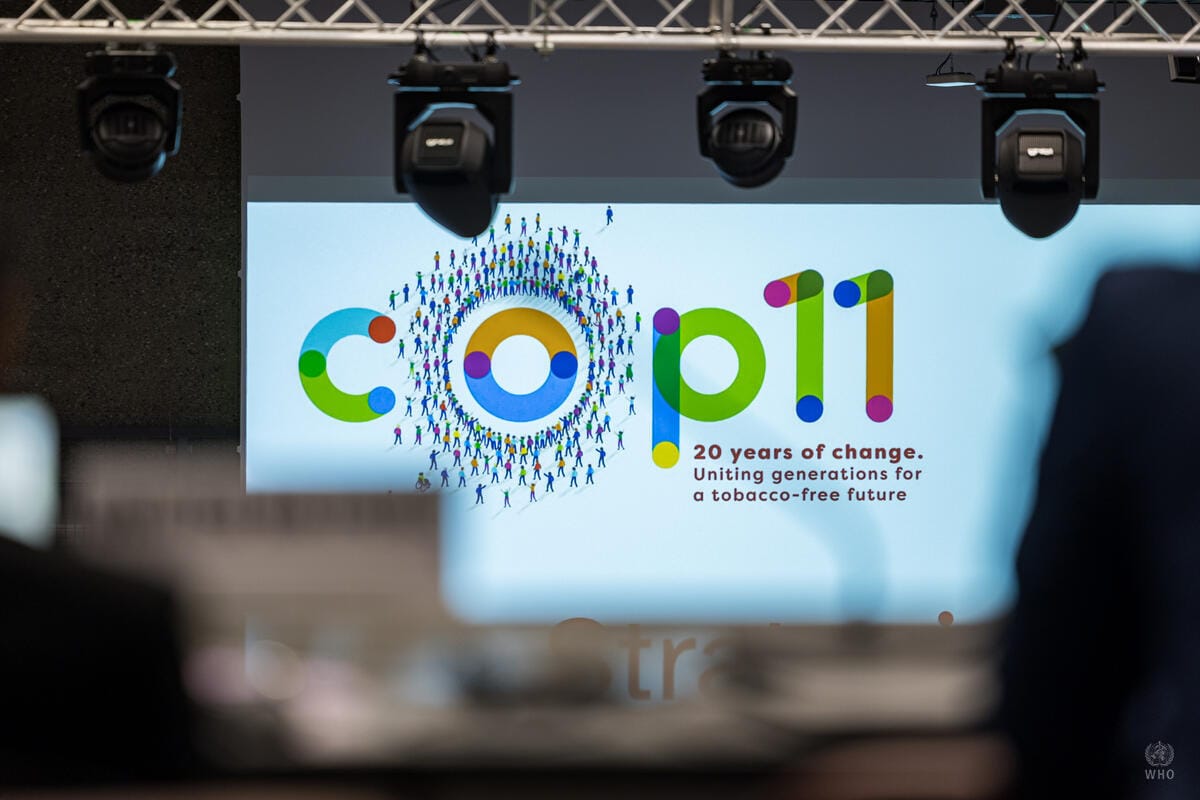
The FCTC (Framework Convention on Tobacco Control) secretariat says that the week-long discussions resulted in decisions on: tobacco control and the environment; increasing resources for tobacco control; forward-looking tobacco control measures; and issues relating to the liability of the tobacco industry for the damage it causes.
"These important decisions made by Parties to the Convention will contribute towards saving millions of lives in the years to come and protecting the planet from the environmental harms of tobacco," said Acting Head of the Secretariat of the WHO FCTC Andrew Black.
The week was marred by what the Global Alliance for Tobacco Control described as the “unprecedented, systematic and coordinated tobacco and nicotine industry interference tactics, including direct lobbying of parties to the treaty, attempts to dominate national delegations, and the use of front groups".
 Catherine Feore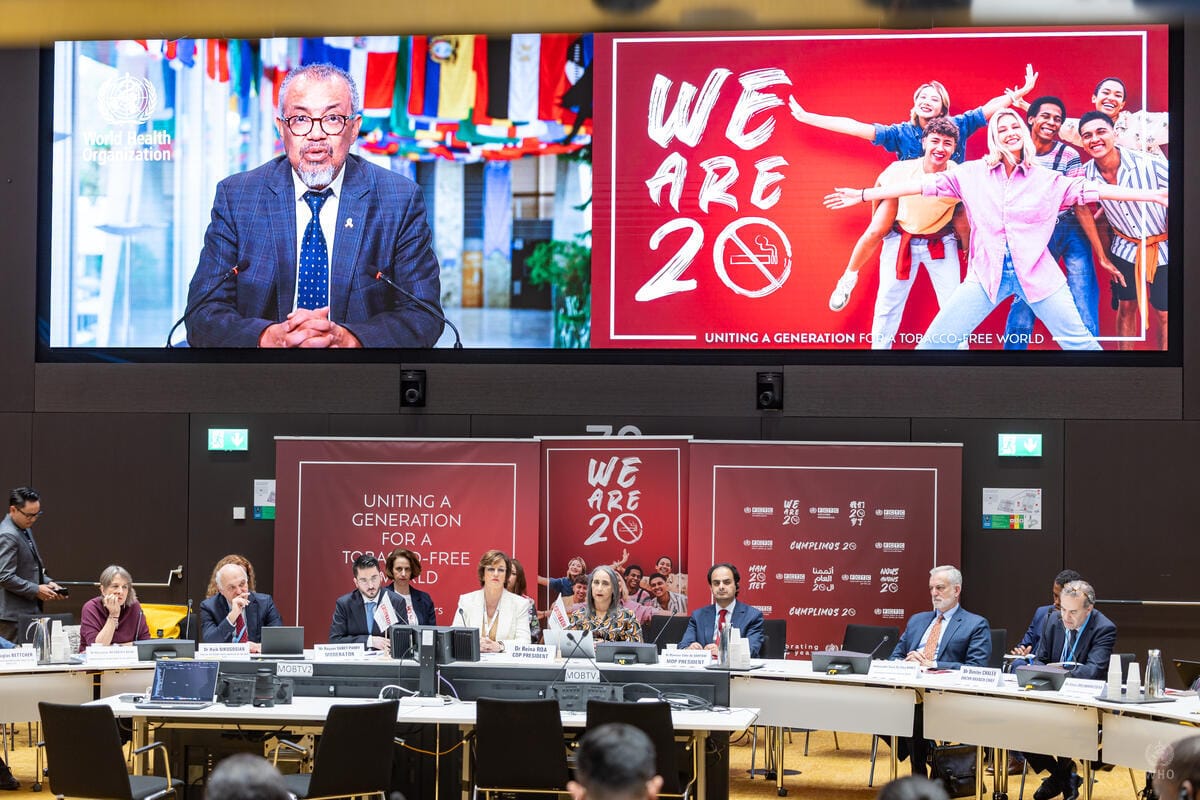
The speaker for the African delegations said that the conference was a success: “All we have left are two agenda items that have been postponed. This is a success despite the arsenal wielded by and the interference by the tobacco industry, which has attempted to block the work of this COP11.”
EU: ‘the fight is far from over’
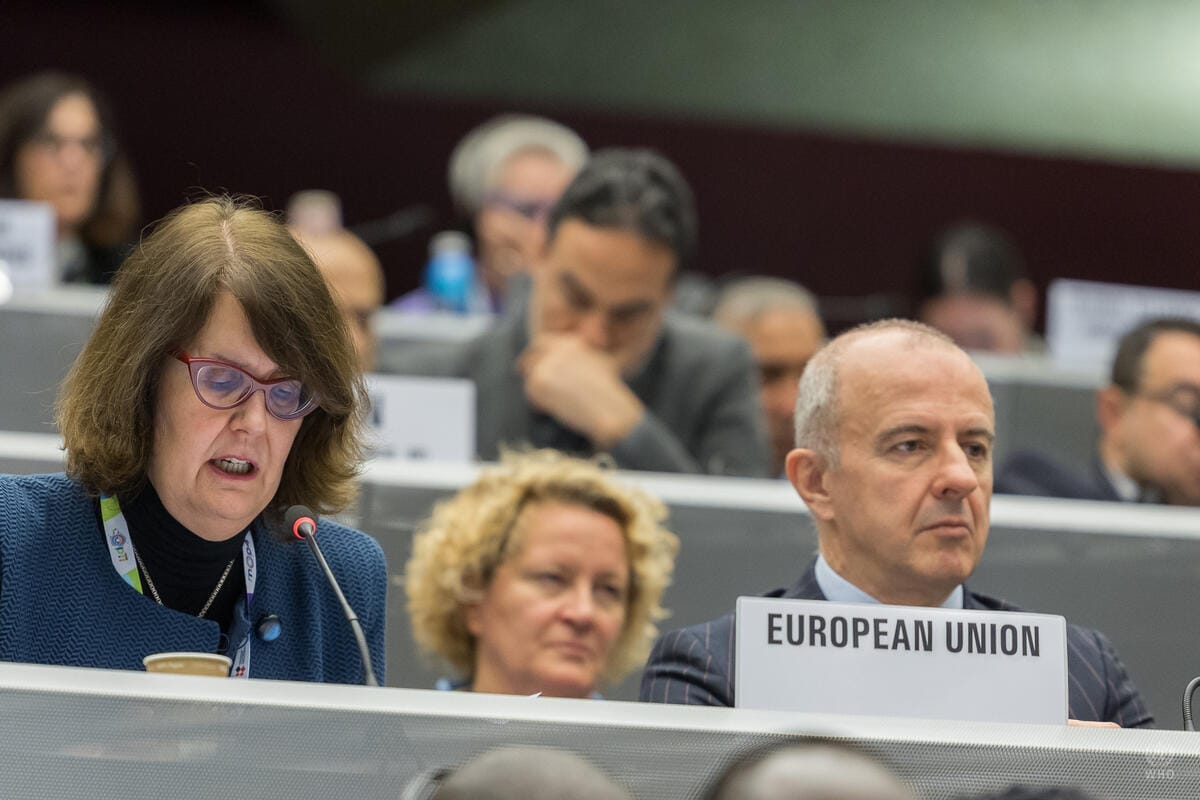
Speaking on behalf of the EU, Antonio Parenti, Director for Public health, Cancer and Health security at DG SANTE, said: "The fight against the tobacco epidemic is far from over. Sales and usage of novel and emerging tobacco nicotine products are rapidly increasing, and the new digital marketing methods are targeting children and young people."
“Tobacco and nicotine products not only destroy our health, but also harm our planet." The EU hopes that future COPs could build on and make "serious collective efforts", an acknowledgement of what was not achieved.
The parties agreed that parties could make more efforts on taxation, Article 6 of the Convention. The decision will be welcomed by the supporters of the EU’s Tobacco Taxation Directive, which has received a mixed response from EU member states.
 Catherine Feore
Nicotine addiction
The senior legal adviser for the FCTC, Kate Lannan, said the two items that remain unresolved due to a lack of consensus related to Articles 9 and 10 of the Convention, which address the contents of tobacco products and disclosure requirements. However, she said it marked the first time the COP had examined the specific obligation to tackle nicotine addiction, despite an existing requirement in Article 5(2)(b) to prevent and reduce it. She said it was an opportunity to counter the tobacco industry’s misleading claims about harm reduction.
Lannan said that two competing draft decisions were put before the conference, one was very much in favour of encouraging parties to take additional measures to avoid and prevent nicotine addiction, and an alternative recommended that a working group be established on tobacco harm reduction, which leant more towards the industry's narrative.
Black said that many hours of debate were spent on both items, but that it “just wasn’t possible” to agree. He hopes that the groundwork done at COP11 can serve as a basis for agreement at the next COP, which will be held in Armenia in 2027.
 Catherine Feore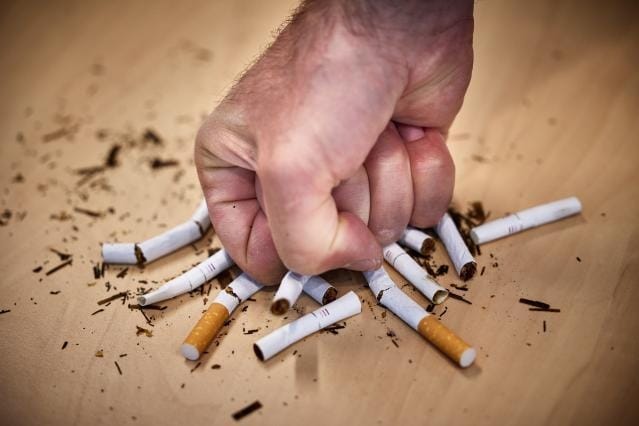
In the meantime, the use of e-cigarettes is growing at an alarming speed, with 15 million young people worldwide thought to be adopting what was sold to public administration as a method to help adults stop smoking.
No butts
Ahead of COP11 it was hoped that there would be movement on the environmental waste from cigarettes and nicotine products, in particular cigarette filters.
Dr Tibor Szilagyi, responsible for reporting at the WHO FCTC secretariat, outlined two categories of future actions aimed at reducing the environmental harms of tobacco. The first is focused on the parties doing more to address waste and develop waste-management strategies, including building public awareness. The second is for the secretariat to do more work on the classification of this waste.
Liability
The conference addressed the issue of liability under Article 19 of the Convention, which encourages parties to consider adopting legislative measures to address both criminal and civil liability related to tobacco control. Delegates discussed the challenges many countries face in operationalizing this provision, including gaps in national legislation and the need for greater technical and legal support.
A decision was adopted, inviting parties to consider strengthening their implementation of Article 19 by enhancing cooperation, sharing expertise, and exploring legislative or policy options that support accountability within the tobacco industry. The decision reaffirmed that liability is an essential component of comprehensive tobacco control and emphasized its role in protecting public health and supporting the broader objectives of the Convention.
Illicit tobacco
On Monday, the Meeting of the Parties (MOP) will resume its discussions on the Protocol to Eliminate Illicit Trade in Tobacco Products. The 71 parties that make up the MOP, will consider a range of measures aimed at shaping the future of the Protocol.
In the end, COP11 delivered only modest gains, its progress tempered by unresolved debates and decisions that remain mostly aspirational.