
Commission gender equality strategy targets women’s health inequalities
Five-year plan on gender equality places strong emphasis on health inequalities
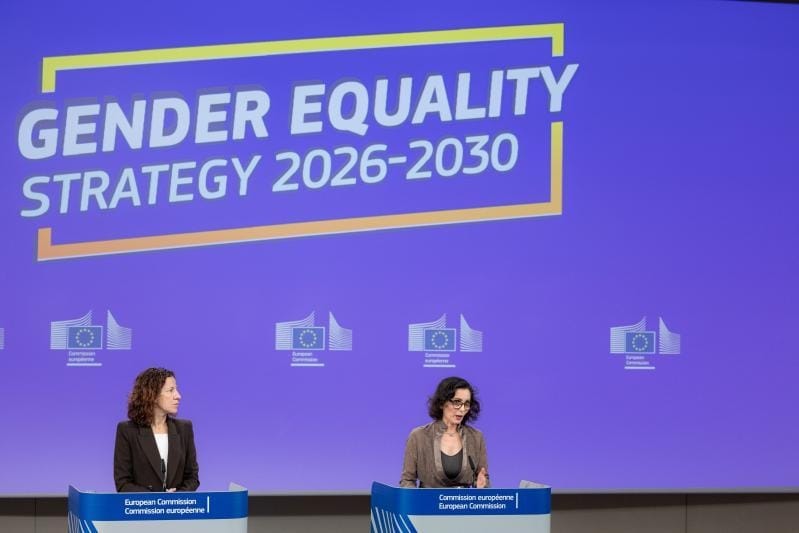
Ahead of International Women’s Day, the European Commission today (5 March) unveiled its Gender Equality Strategy for 2026–2030, setting out a wide-ranging plan to embed gender equality across all areas of public life, from engaging men and boys to addressing cyberviolence and the growing risks posed by artificial intelligence.
The multi-faceted strategy places particular emphasis on women’s health and the fight against domestic and gender-based violence.
A central pillar of the strategy is intensifying efforts to combat gender-based violence, especially in digital spaces. The Commission will step up measures against cyberviolence, including sexually explicit deepfakes and “deepnudes", which overwhelmingly target women and girls.
Officials said this will involve a “structured regulatory dialogue” with very large online platforms, relying on safeguards already established under EU digital rules to strengthen online protections for women.
The Commission will also map how consent is defined in legal systems across its member states before considering further legislative steps.
"We will update our mapping of rape laws across the EU to identify where further action, including legislation, may be needed to ensure that sex without consent is recognised as rape everywhere in Europe," said Commissioner for Equality and Preparedness Hadja Lahbib.
WHO study on quality and accessibility of health services
In 2026, the Commission will launch a joint initiative with the World Health Organisation to improve the quality and accessibility of women’s healthcare, including services for women with disabilities.
“[The study will] improve the quality of women's health care, because women are still underdiagnosed in heart disease, and too much medical research still ignores sex differences,” Lahbib said.
The initiative will promote exchanges of best practices on monitoring and analysing gender inequalities in healthcare, help policymakers set priorities and develop evidence-based solutions. Its findings are expected to strengthen gender mainstreaming across EU-funded health programmes and research.
Looking ahead to 2028, the Commission will fund a study examining the economic and societal costs of gaps in women’s healthcare, focusing on conditions such as menopause.
'Gender-sensitive check'
To ensure medicines are safe and effective for all patients, the Commission is working with the European Medicines Agency (EMA) to assess the feasibility of introducing systematic gender-sensitive checks throughout the lifecycle of human medicines, from research and development to authorisation.
The proposed revisions to EU clinical trial rules, as part of the Biotech Act, require stronger consideration of population diversity and women who become pregnant or begin breastfeeding would no longer be automatically excluded from trials.
A gender-responsive approach would also guide access to critical medical countermeasures, including vaccines, therapeutics, diagnostics and protective equipment.
Sexual and reproductive healthcare
The Commission acknowledged ongoing disparities in access to sexual and reproductive health and rights across the EU. Access to contraception remains uneven, while male contraceptive options are still limited. The strategy notes that conditions such as menstruation-related disorders, menopause, endometriosis and post-partum depression remain under-researched and under-treated.
As part of its more outward-looking elements, the EU will launch a flagship initiative called SHIELD to assist victims of gender-based violence in humanitarian emergencies.
“SHIELD will improve access to sexual and reproductive health care in crisis and strengthen support for survivors of gender-based violence,” Lahbib said.
My Voice, My Choice
The strategy also includes the implementation of the Commission’s response to the European Citizens’ Initiative “My Voice My Choice: For Safe and Legal Abortion” between 2026 and 2027.
Last week, the European Commission confirmed that EU funding, notably the European Social Fund Plus, may be used by member states to provide abortion services to women travelling from other EU countries.
Questions remain about how cross-border access would work in practice, but Commission officials said they aim to clarify the mechanism by 2027 at the latest.
 Catherine Feore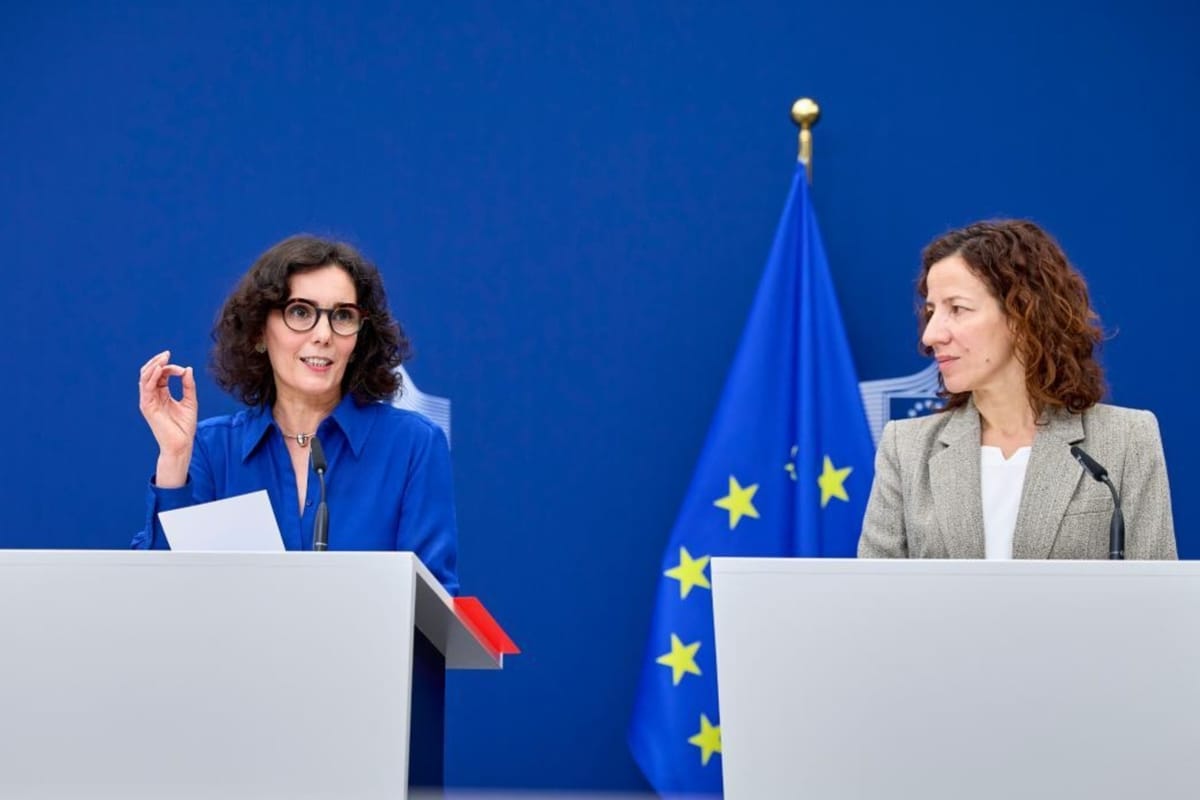
"While others turn back the clock on gender equality, the European Union is moving forward. We will protect hard-won rights and reignite stalled progress," said Lahbib.