
Access denied: MSF denied access to Gilead HIV-prevention drug
Médecins Sans Frontières accuses Gilead Sciences of blocking access to its HIV-prevention drug lenacapavir.
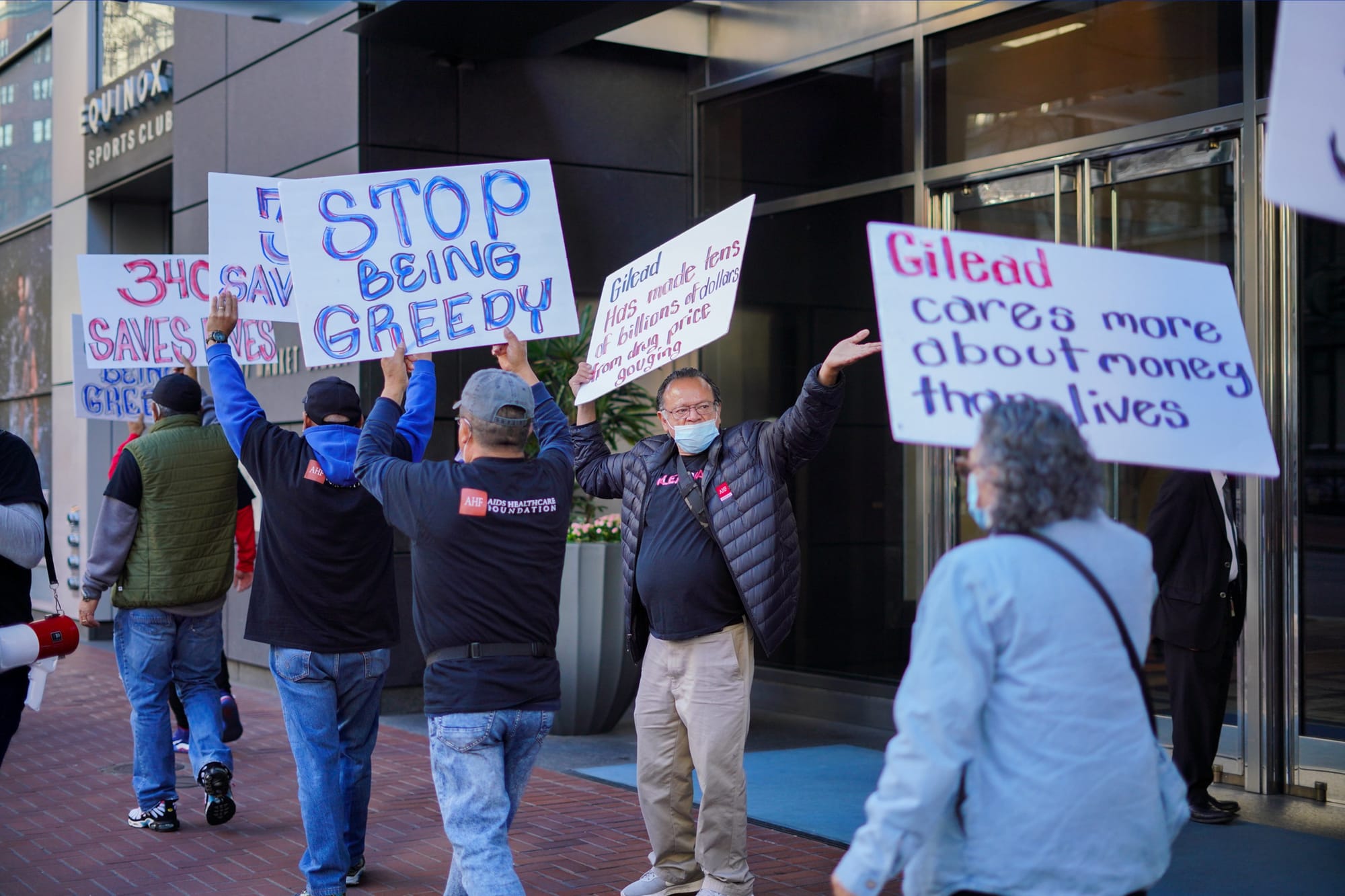
A dispute between Médecins Sans Frontières (MSF) and Gilead Sciences has entered the public domain after the pharma company refused to sell its game-changing HIV-prevention medicine despite multiple requests. Lenacapavir, a twice-yearly injectable form of PrEP, could be a game changer, especially for people who struggle to access daily medication.
In an open letter Chief Executive Officer, MSF USA, Tirana Hassan and Director, Southern Africa Medical Unit, MSF Southern Africa, Dr Tom Ellman, call on Gilead to review their decision.
“That this drug’s development was supported by public funding - and through the trust of communities who participated in clinical trials, many of them in countries now excluded from affordable access - makes the current restrictions even more unconscionable,” write the MSF officials.
Gilead argues that access is already being managed through the Global Fund - to fight AIDS, tuberculosis and malaria - pointing MSF to this channel instead of selling directly. But the available supply is capped, with only enough for “up to 2 million people over three years.” MSF says that the limit is the real problem, stressing that “the problem is a cap that need not exist.” The organisation is not asking for a share of this limited pool, but to buy additional doses so it can reach more people without reducing access elsewhere.
MSF points to the Gilead CEO’s own words, at a press briefing on 18 November 2025: “We’re targeting 2 million people, but if it needs more than that and we can implement more, we have the capability to produce more.”
Gilead also points to the arrival of cheaper generic versions in 2027 as a future solution, but Gilead’s licensing agreements prohibit the selling of lenacapavir in more than 24 countries, many of which are experiencing rapidly rising levels of HIV infections. This would mean potential beneficiaries waiting years for broader access, leaving a dangerous gap.
The company has further suggested that setting up direct supply agreements would take time and effort - “a lot of work.” MSF dismisses this explanation, saying the arrangement should be straightforward: “Gilead is a pharmaceutical company, and MSF is a medical humanitarian organization ready and able to purchase medicines for people who urgently need them. We are willing and ready to start today.”
The Director of MSF’s Southern Africa Medical Unit, Dr Tom Ellman says, “Blocking humanitarian organizations from accessing a medical breakthrough puts vulnerable people in danger,” adding that Gilead must choose whether it prioritizes “protecting people or protecting control and profit.”