
8 in 10 people who fell ill with measles during 2025 had not been vaccinated
80% of measles cases in 2025 occurred among unvaccinated people underscoring the importance of vaccination
ECDC shows that over 7000 measles cases were reported by 30 countries in 2025. Eight of these individuals died following measles infection: four in France, three in Romania, and one in the Netherlands.
While the total number of infections in 2025 represents a significant decrease compared with the more than 35 000 cases in 2024, it is still almost double the cases reported in 2023. Eight out of ten people who fell ill were not vaccinated.
The European Centre for Disease Prevention and Control (ECDC), Head of vaccine-preventable diseases and immunisation, Sabrina Bacci said:
“Measles is a serious disease and a highly contagious one. Individual vaccination protects others who cannot be vaccinated, as it reduces the spread of infections. This makes vaccination not only an act of self-protection but also one of solidarity. Eliminating measles should be possible if we act together.”
As measles is highly infectious, the virus remains active and contagious in the air or on surfaces for up to two hours after an infected person has left a room. The aim is to achieve at least 95% vaccination coverage. Infants who do not usually receive the vaccine until they are at least 12 months old are particularly vulnerable, as are those who cannot be vaccinated for other medical reasons.
Unvaccinated or only partially vaccinated infants remain particularly vulnerable to measles, as reflected in 2025 data, where children under five accounted for 40% (3072) of notified measles infections between January and December 2025.
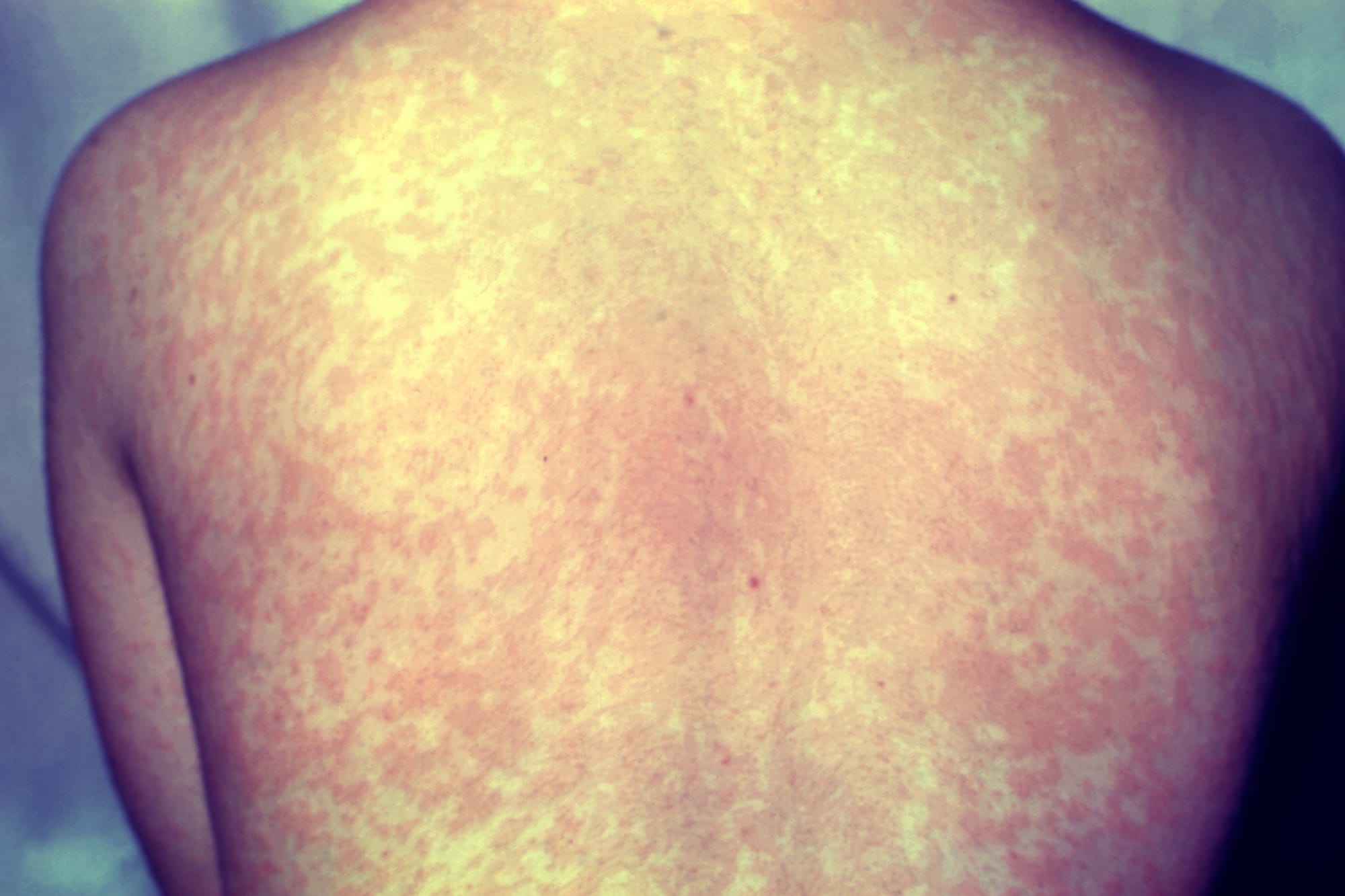
The fever and red rash are the most common symptoms of measles, but it can also lead to more sever complications including penumonia, encephalitis and even death. Measles infection can lead to severe complications, including pneumonia, encephalitis and even death.
Measles can attack the immune cells leading to "immune amnesia," where the virus wipes out 11% to 73% of a person's pre-existing immune memory (B and T cells), erasing knowledge of previously encountered pathogens. This can leave individuals vulnerable to other infections for months or even years.
Given the soaring rates in some countries, including some of the US states, the ECDC recommends checking vaccination status well in advance of travel as the Measles, Mumps and Rubella (MMR) vaccine takes at least two weeks to become effective.